
The introduction of the Plymouth Community Diagnostic Centre (PCDC) represents a pivotal $28 million investment into the healthcare infrastructure of South West England, signaling a departure from traditional hospital-centric models. This facility relocates critical medical testing from congested acute care environments into a high-traffic urban setting, aiming to drastically improve patient access while mitigating the ongoing strain on the National Health Service. As healthcare systems globally grapple with increasing demand and aging populations, the PCDC serves as a localized solution to systemic bottlenecks. By centering services where people live and work, the project emphasizes convenience as a primary driver of medical compliance and early diagnosis. This shift is not merely about physical relocation but about a fundamental transformation in how diagnostic care is conceptualized. The center acts as a high-efficiency gateway, ensuring that thousands of individuals can receive life-saving screenings without the typical logistical hurdles associated with visiting a major regional hospital.
Technological Infrastructure: High-Volume Precision Care
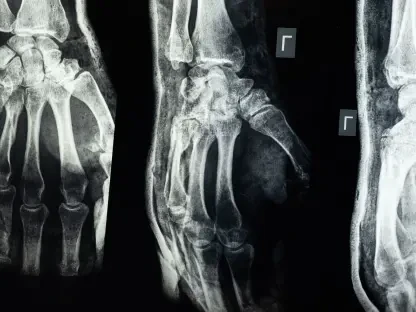
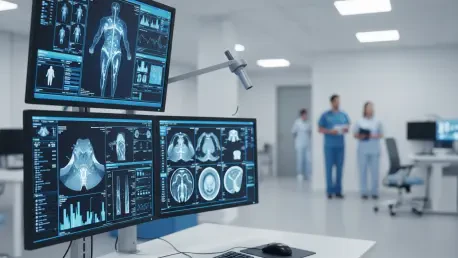
The PCDC is outfitted with a comprehensive suite of state-of-the-art medical equipment designed to handle a diverse range of diagnostic requirements under one roof. Central to its operations are specialized cardiac CT and MRI scanners that provide high-resolution imaging essential for detecting cardiovascular diseases and neurological conditions. Beyond advanced imaging, the facility includes dedicated spaces for standard X-rays, ultrasound procedures, and complex lung function testing, ensuring a holistic approach to patient screening. Each piece of technology was selected to maximize throughput without compromising the quality of the diagnostic data generated. By concentrating these resources in a community hub, the NHS provides local clinicians with the tools necessary for rapid assessment. The integration of such sophisticated hardware outside a traditional hospital setting reflects a growing trend toward decentralized medical services, where speed and precision are localized to meet the immediate needs of the regional population.
Efficiency remains the cornerstone of the center’s operational philosophy, with the facility engineered to facilitate up to 330 daily appointments through a highly organized scheduling system. This capacity translates to more than 91,600 individual tests performed annually, representing a significant boost to the region’s overall diagnostic output. To accommodate the varied schedules of a modern workforce, the center operates twelve hours a day, seven days a week, providing a level of flexibility that traditional outpatient departments often struggle to maintain. A streamlined referral system allows general practitioners to direct patients to the PCDC with minimal administrative friction, ensuring that the journey from initial consultation to diagnostic result is as swift as possible. This high-volume approach does more than just process patients; it creates a consistent flow of medical intelligence that allows for faster clinical decision-making. By operating at such a scale, the facility effectively functions as a dedicated engine for regional health data.
Strategic Impact: Addressing Backlogs and Health Inequalities
A primary objective for the newly established diagnostic hub is the significant reduction of local wait times by diverting approximately 40,000 outpatient appointments away from Derriford Hospital. By moving routine screenings and elective imaging to a specialized community setting, the region’s main acute care facility can reallocate its limited resources toward emergency services and complex inpatient treatments. This redistribution of medical traffic is expected to alleviate the chronic overcrowding that has historically hindered hospital performance, creating a more sustainable balance between urgent and elective care. The separation of diagnostic pathways from the emergency department environment prevents routine delays often caused by unpredictable surges in trauma cases. As a result, patients requiring standard check-ups no longer find themselves at the bottom of a prioritized list, leading to a more predictable and reliable healthcare experience. This operational strategy is essential for restoring public confidence in the efficiency of the NHS.
Beyond the logistical benefits of reduced wait times, the facility serves as a critical instrument for addressing persistent health inequalities and promoting early intervention for chronic diseases. Placing these essential services in the heart of Plymouth makes regular screenings far more accessible to underserved populations who might otherwise face barriers to care, such as transportation costs or time constraints. The health village model adopted by the center encourages a proactive attitude toward wellness, transforming the diagnostic process from an intimidating clinical encounter into a routine part of city life. Early detection of life-threatening conditions, particularly cancer and heart disease, is significantly improved when the barriers to entry are lowered. This proactive approach ensures that potential health issues are identified in their nascent stages, which often leads to less invasive treatments and significantly better long-term survival rates. By democratizing access to high-end diagnostics, the NHS is actively working to close the gap in health outcomes.
Urban Integration: The Role of Healthcare in Regional Growth
The location of the center in Plymouth’s West End serves as a cornerstone for the broader urban regeneration of Colin Campbell Court, demonstrating how medical infrastructure can stimulate economic activity. By drawing thousands of patients and staff into the city center every week, the facility generates consistent foot traffic that provides a vital boost to local retail, cafes, and hospitality businesses. This symbiotic relationship between healthcare and urban commerce suggests that public investments in medical facilities can have a multiplier effect on regional development. The physical design of the building further integrates it into the local fabric, featuring interior aesthetics inspired by Plymouth’s landmarks and regional artwork to create a familiar and welcoming environment. Themed floors and intuitive layouts help patients navigate the space with ease, reducing the anxiety often associated with medical visits. This combination of clinical utility and architectural community-building proves that modern healthcare facilities can contribute to vitality.
The successful implementation of the Plymouth Community Diagnostic Centre finalized a major step in the national strategy to modernize the delivery of care through localized networks. It demonstrated that shifting diagnostic power away from centralized hospitals allowed for a more flexible and responsive healthcare system that successfully met the evolving needs of the public. Moving forward, health authorities prioritized the continued integration of digital health records between these community hubs and primary care physicians to ensure seamless data transitions. The project highlighted the necessity of maintaining robust staffing levels to keep pace with the high volume of automated diagnostics, suggesting that future investments balanced technology with human expertise. This model provided a clear blueprint for subsequent healthcare developments across the country, showing that localized, tech-driven centers effectively tackled clinical backlogs while improving community wellness. Planners recognized that success lay in viewing diagnostic centers as permanent fixtures of urban infrastructure.