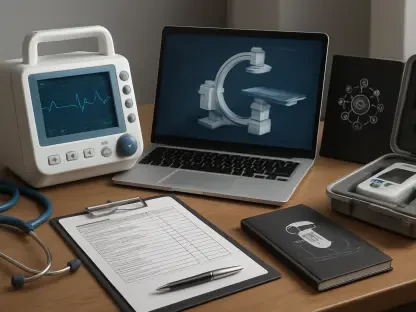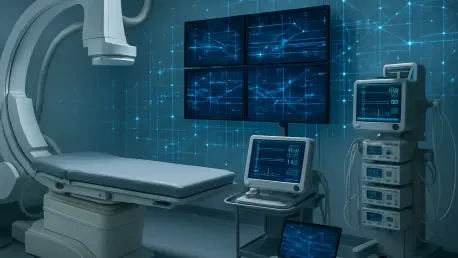

The expansion of local medical infrastructure represents a fundamental shift in how modern societies manage the health of their citizens by prioritizing proximity and rapid diagnostic intervention over centralized hospital systems. In the town of Bourne, Lincolnshire, this need has reached a critical threshold as a growing population of 18,000 residents continues to navigate a landscape devoid of a local hospital or comprehensive testing facility. Currently, individuals requiring basic diagnostic services such as MRI scans, CT imaging, or even routine blood work are forced to travel approximately 18 miles to neighboring Peterborough or Grantham. This logistical hurdle does more than just inconvenience commuters; it creates a tangible barrier to care for the elderly, parents with young children, and workers who cannot afford to lose hours of pay for a single appointment. By establishing a dedicated Community Diagnostic Center within the town, the regional health board can effectively bridge this gap.
Learning from Success: The Grantham Diagnostic Model
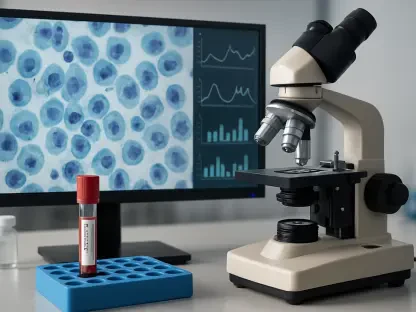
The proposal for a new facility in Bourne is not based on mere speculation but is grounded in the undeniable success of the existing diagnostic hub located in Grantham. Since entering its current phase of operation in 2026, the Grantham facility has successfully administered over 100,000 diagnostic tests, including complex imaging and specialized pathology services that were once only available in major urban hospitals. This high volume of successful screenings demonstrates that community-based centers are capable of handling significant patient loads while maintaining high standards of clinical excellence. The data collected from this site indicates a notable reduction in wait times for local patients, which directly correlates with earlier detection of chronic conditions and more effective treatment plans. By replicating this proven model, healthcare providers can ensure that the infrastructure in Bourne is built upon a foundation of operational efficiency and clinical reliability that has already stood the test of rigorous public demand.
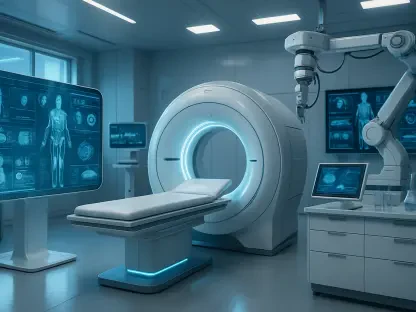
Beyond the raw numbers, the success of the regional diagnostic strategy highlights the importance of integrating state-of-the-art technology into the heart of residential communities rather than sequestering it in distant medical complexes. Utilizing advanced MRI and CT hardware within a local setting allows for a seamless patient experience where the anxiety often associated with hospital visits is significantly mitigated by the familiarity of the surroundings. This localized approach also facilitates better communication between primary care physicians and diagnostic specialists, as the proximity of the facility encourages more frequent and detailed consultations regarding patient results. The Grantham experience has shown that when diagnostic tools are made more accessible, the public is more likely to engage with preventative screenings, leading to a culture of health consciousness that reduces the overall burden on the wider medical system. Such a shift is essential for Bourne, where the current lack of immediate access often leads to a reactive approach to health that only addresses symptoms.
Addressing Demographic Realities: The Aging Population Challenge
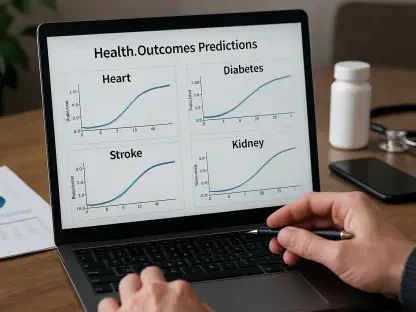
Lincolnshire is currently at the forefront of a significant demographic shift, experiencing an aging population profile that the rest of the nation is not projected to encounter for nearly two decades. With approximately 43 percent of the local population already over the age of 50, the demand for specialized screenings such as cardiovascular assessments and cancer testing has reached unprecedented levels in the region. This demographic reality necessitates a healthcare strategy that evolves in tandem with the specific needs of an older citizenry who may face mobility issues or chronic health management requirements. For these residents, a local Community Diagnostic Center in Bourne would provide a life-saving resource by offering regular monitoring and early detection services within walking distance or a short drive from their homes. Addressing these needs proactively is not just a matter of convenience; it is a critical requirement for maintaining the quality of life for a segment of the population that is most vulnerable to late-stage diagnoses.
The implementation of a specialized center would also serve to alleviate the long-term financial and operational strain currently placed on the National Health Service by reducing the number of emergency admissions. When patients have easy access to early diagnostic testing, the likelihood of identifying serious illnesses in their treatable stages increases exponentially, which is far more cost-effective than managing advanced diseases. This proactive paradigm shifts the focus of the healthcare system from crisis management to sustainable wellness, ensuring that resources are utilized more efficiently across the entire network. In Bourne, where the population continues to expand, the absence of such a facility forces the regional system to remain in a perpetual state of catch-up, dealing with the fallout of delayed diagnoses that could have been prevented with earlier intervention. Investing in local diagnostics is therefore a strategic move that secures the future of regional healthcare by ensuring that the system can scale alongside the town’s growth.
Strategic Implementation: From Proposal to Reality
Moving this initiative forward required a coordinated effort between regional representatives and the National Health Service Lincolnshire Integrated Care Board to secure the necessary funding and infrastructure. The strategy involved identifying existing commercial properties within the town center that were suitable for conversion into high-tech medical hubs, proving that new construction was not always a prerequisite for clinical excellence. This approach minimized environmental impact and reduced the timeline for delivery, allowing the project to gain momentum through practical, cost-effective solutions. By tapping into national diagnostic investment programs, stakeholders ensured that Bourne was positioned to receive the same level of technological support found in much larger cities. The collaborative framework established during this process provided a blueprint for other growing towns to follow, emphasizing that geographic location should never dictate the quality of medical care available to a community.
The successful integration of these services into the local fabric of Bourne marked a definitive step toward a more equitable healthcare delivery system across the county. Leaders prioritized the recruitment of skilled medical technicians and support staff from within the local area, which bolstered the regional economy while ensuring that the facility was staffed by individuals who understood the community’s unique needs. Actionable steps included the creation of a streamlined digital referral system that allowed local General Practitioners to book diagnostic appointments for their patients in real-time, significantly cutting down on administrative delays. This transition to a decentralized model proved that specialized medical services could thrive outside of traditional hospital settings when supported by robust digital infrastructure and community engagement. Ultimately, the project served as a vital reminder that investing in local diagnostic capabilities is the most effective way to ensure long-term public health and operational resilience within the modern medical landscape.