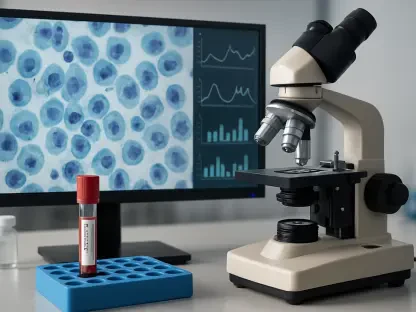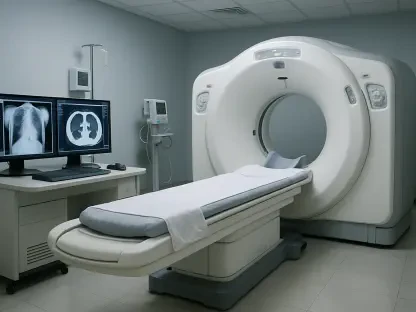

The global preeclampsia diagnostics market is currently undergoing a period of profound transformation and sustained expansion, representing a critical and evolving segment within the landscape of maternal healthcare. This industry, which includes the development and commercialization of a wide array of instruments, consumables, and comprehensive testing solutions, is dedicated to the early and accurate detection of a dangerous pregnancy-related hypertensive disorder that poses severe risks to both mother and fetus. According to comprehensive market analysis, the sector’s valuation is estimated at USD 1.08 billion in 2025 and is projected to ascend to USD 1.46 billion by 2034, charting a steady compound annual growth rate of 3.44%. This robust growth trajectory is being propelled by a powerful convergence of factors, most notably the increasing global adoption of advanced biomarker-based testing methods that enable the prediction of preeclampsia risk long before clinical symptoms manifest. This shift is further amplified by the growing integration of sophisticated, automated immunoassay systems within hospital laboratories and a heightened clinical awareness among healthcare professionals regarding the paramount importance of proactive screening to significantly reduce maternal morbidity and mortality.
The Driving Forces Behind Market Expansion
A primary catalyst propelling market expansion is the intensified global focus on early and accurate detection as the most effective strategy to prevent severe maternal and fetal complications associated with preeclampsia. Recognized as a leading cause of maternal and neonatal mortality worldwide, this condition has prompted healthcare systems, public health organizations, and governmental bodies to prioritize the implementation of routine screening and risk-based assessment protocols for all pregnant women. This pronounced emphasis has significantly accelerated the adoption of advanced diagnostic tools, particularly biomarker-based tests that offer superior predictive value compared to traditional methods like blood pressure monitoring and urinalysis alone. The establishment of standardized diagnostic guidelines and the backing of government-supported maternal health programs are further cementing the role of these advanced screening protocols. This concerted effort is leading to better management of high-risk pregnancies and a substantial reduction in the healthcare burden associated with treating late-stage complications, thereby improving outcomes for mothers and infants globally.
Despite the clear and compelling clinical benefits of advanced diagnostics, the market faces a significant restraint in the form of high costs and limited accessibility, which hampers widespread adoption. The specialized biomarker assays, sophisticated immunoassay analyzers, and other cutting-edge diagnostic instruments command a premium price, creating a substantial barrier to entry, particularly in low- and middle-income countries where healthcare budgets are severely constrained. This financial challenge is exacerbated by inconsistent or inadequate reimbursement frameworks, which can deter healthcare providers from investing in these essential technologies. Furthermore, the absence of robust and affordable testing infrastructure in many regions creates profound disparities in diagnostic access. A promising growth opportunity, however, lies in the strategic integration of preeclampsia testing into comprehensive prenatal screening programs. Healthcare systems are increasingly shifting toward a holistic model of maternal care by combining tests for various conditions, such as gestational diabetes and fetal anomalies, into a single, unified framework. This integrated approach enhances patient convenience and supports a more proactive approach to risk management, creating valuable pathways for diagnostic companies to develop cost-efficient, multi-condition testing solutions.
Technological and Clinical Innovations Redefining Diagnostics
A pivotal trend currently revolutionizing the field is the integration of artificial intelligence and predictive analytics into sophisticated risk assessment platforms. Advanced AI algorithms and machine learning models are being incorporated into diagnostic systems to analyze vast and complex datasets that include maternal biomarkers like sFlt-1 and PlGF, longitudinal blood pressure patterns, and detailed patient histories. This highly sophisticated analysis empowers clinicians to identify high-risk pregnancies at much earlier stages and with significantly greater precision than ever before. The application of predictive analytics enhances the accuracy of disease stratification, helps to minimize the rate of false positives, and supports the development of tailored monitoring and intervention strategies for individual patients. This data-driven approach is fostering a fundamental shift in prenatal care from a reactive model, which responds to symptoms as they appear, to a proactive one focused on prevention and early management. This evolution is ultimately improving prenatal outcomes across diverse healthcare settings and demonstrating the transformative potential of technology in maternal health.
The escalating adoption of biomarker-based point-of-care testing is also fundamentally transforming the diagnostic workflow and enhancing accessibility. This trend enables the rapid detection of critical protein ratios, such as the sFlt-1/PlGF ratio, directly at the patient’s bedside or in outpatient clinics, bypassing the need for centralized laboratory processing. Healthcare providers are increasingly implementing portable, user-friendly analyzers that deliver immediate and actionable results, thereby reducing the dependency on traditional laboratory settings and the associated, often lengthy, turnaround times. This shift supports faster clinical decision-making, which is absolutely crucial in managing a rapidly progressing and potentially life-threatening condition like preeclampsia. Moreover, the deployment of POCT improves access to timely and effective screening in rural, remote, and low-resource areas that often lack sophisticated laboratory infrastructure. This aligns perfectly with the global movement toward more decentralized, patient-centric models of maternal healthcare, ensuring that more women receive the critical early screening they need, regardless of their location.
A Closer Look at Market Segments
In the product landscape, the consumables segment, which encompasses assay kits, reagents, calibration materials, and various biomarker panels, commanded the largest share of the market in 2025. This dominance is sustained by the high-volume, recurring demand for these products in routine testing procedures performed daily in healthcare facilities worldwide. The continuous utilization of consumables across the vast network of hospital and diagnostic laboratories ensures a stable and consistent product turnover, generating reliable, recurring revenue streams for manufacturers. The increasing frequency of maternal health screenings, coupled with the broader adoption of biochemical marker-based testing protocols as a standard of care, are key factors that reinforce the sustained market leadership of this segment. In contrast, the instruments segment is projected to experience the fastest growth, with a notable CAGR of 4.64%, driven by continuous technological advancements in automated analyzers and portable testing equipment that offer greater efficiency and accuracy.
When segmented by test type, blood tests held the largest market share in 2025, a position solidified by their central and well-established role in clinical practice for detecting key biomarkers such as soluble fms-like tyrosine kinase-1 (sFlt-1) and placental growth factor (PlGF). Blood-based assays are considered a standard component of clinical evaluation due to their high accuracy in diagnosing the presence of preeclampsia and assessing its severity and progression. Ongoing improvements in biochemical analysis and the increasing adoption of advanced immunoassay platforms continue to support this segment’s market dominance. Meanwhile, the urine test segment is anticipated to grow at the fastest CAGR of 4.34%. This growth is largely attributable to the practical advantages of urine-based diagnostics, including the ease and non-invasive nature of sample collection and the relatively low cost of testing. These characteristics make urine tests, particularly for proteinuria, an ideal choice for initial screening in primary care settings and rural healthcare facilities where resources may be limited.
Global Perspectives on Market Dynamics
North America held the largest market share in 2025, accounting for a commanding 40.11% of the global total, a dominance driven by the widespread integration of advanced biomarker-based assays and automated screening platforms in hospital maternity units. The adoption of quantitative tests, such as the sFlt-1/PlGF ratio, has significantly enhanced early risk stratification and improved clinical decision-making across the region. The U.S. market, valued at USD 410.83 million in 2025, leads this charge, influenced by strong regulatory support from bodies like the Centers for Disease Control and Prevention (CDC) and the American College of Obstetricians and Gynecologists (ACOG), which encourage the use of validated assays in routine prenatal screening. In contrast, the Asia Pacific region is projected to be the fastest-growing market, expanding at an impressive CAGR of 5.44%. This rapid growth is supported by large-scale, government-led prenatal screening initiatives, expanding access to laboratory services, and the increased adoption of point-of-care diagnostic systems to reach broader populations.
The European market is expanding steadily, driven by a strong emphasis on structured antenatal care and the formal inclusion of validated biomarkers in national pregnancy screening guidelines across many countries. Regulatory bodies like the European Medicines Agency are playing a crucial role in facilitating the standardization of diagnostic assays, ensuring consistent quality and reliability. In Germany, the Digital Healthcare Act is a key driver, enabling physicians to prescribe digital health applications that are linked with diagnostic testing for the continuous monitoring of high-risk pregnant women. The market in the Middle East and Africa is experiencing notable expansion due to rising investments in maternal health infrastructure and broader access to clinical laboratories. Governments in the region are actively strengthening tele-prenatal monitoring programs to extend diagnostic coverage to remote and underserved areas. In Latin America, the market is expanding as public health agencies intensify their focus on structured antenatal testing and enhanced maternal care programs, with countries like Brazil integrating prenatal diagnostics with digital health records to accelerate the deployment of placental biomarker testing.
The Competitive Arena and Strategic Maneuvers
The global preeclampsia diagnostics market was characterized as moderately consolidated, featuring a dynamic mix of established diagnostic manufacturers, innovative biotechnology firms, and emerging companies all vying for market share. Key players that shaped the industry included Abbott, Hoffmann-La Roche Ltd, Thermo Fisher Scientific Inc., Siemens Healthineers AG, and Danaher Corporation. The competitive dynamics of this landscape were actively molded by a series of strategic initiatives undertaken by these leading organizations. For instance, in February 2025, Hoffmann-La Roche Ltd. received U.S. FDA 510(k) clearance for its Elecsys sFlt-1/PlGF ratio test, a milestone that expanded access to a validated diagnostic tool for maternal risk evaluation and reinforced the company’s leadership in maternal health diagnostics. In another significant development, Trinity Biotech launched its FDA-cleared PreClara Ratio sFlt-1/PlGF test as a reference laboratory service in the U.S., a move made in partnership with Thermo Fisher Scientific. These corporate actions highlighted a clear industry trend toward advancing early-stage risk prediction and solidifying market positions through regulatory approvals and strategic collaborations.