
The rapid evolution of consumer preferences across the United Arab Emirates has led to a noticeable departure from the era of bulky, over-engineered wearable computers that once dominated the tech landscape in favor of more streamlined alternatives. This transition toward a minimalist, health-centric philosophy is particularly evident among professionals in Dubai and Abu Dhabi who now prioritize “barely-there” devices that integrate seamlessly into their daily wardrobes without the cumbersome weight of traditional flagships. In 2026, the local market reflects a sophisticated understanding of technology where the prestige of a brand is no longer tied solely to the size of the hardware but to the efficiency of the data it provides and the elegance of its physical footprint. As high-end releases continue to climb in price, surpassing the expectations of many budget-conscious yet tech-savvy residents, a new category of budget-premium wearables has successfully filled the void. These devices, specifically those priced under the Dh800 threshold, offer a compelling balance between aesthetic refinement and functional power, catering to a demographic that values 24/7 wearability over a crowded ecosystem of third-party applications that often go unused. This fundamental change in purchasing behavior suggests that the modern UAE consumer is seeking a more harmonious relationship with technology, opting for tools that support a healthy lifestyle without demanding constant attention or frequent charging intervals.
Engineering Efficiency: The Technical Shift Toward Minimalist Design
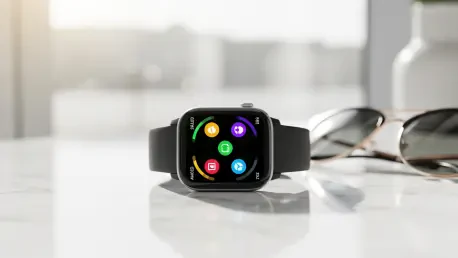
A defining characteristic of these popular slim watches is the engineering marvel of their ultra-thin chassis, which often measures exactly or less than 10mm in thickness to ensure maximum ergonomics. By reducing the physical footprint of the device, manufacturers have successfully prioritized user comfort, which is an essential prerequisite for accurate sleep tracking and long-term recovery monitoring. When a device is heavy or intrusive, users are more likely to remove it before bed, thereby creating significant gaps in their health data. However, the current generation of slim wearables addresses this by using lightweight alloys and reinforced polymers that feel weightless on the wrist. Furthermore, the integration of vibrant AMOLED display technology has become the baseline standard for these affordable devices, providing high-contrast visuals and rich color gamuts that rival much more expensive competitors. This is particularly important for outdoor visibility in the bright, sunny conditions prevalent in the Middle East, where dim LCD screens often fail to remain legible. The move toward higher pixel densities and increased peak brightness levels ensures that users can check their biometric stats or notifications with a quick glance, even under the direct glare of the afternoon sun, without compromising the overall thinness of the internal hardware components.
Beyond the physical design, the industry has seen a massive revolution in battery endurance that fundamentally changes how these devices are utilized in daily life. Modern slim wearables have largely rejected the daily charge cycle that continues to plague many high-end flagship smartwatches, which often require a power source every twenty-four hours. Instead, these optimized devices now offer between 10 and 18 days of battery life on a single charge through the use of highly efficient proprietary operating systems and low-power processors. This shift ensures that health monitoring—such as heart rate variability, blood oxygen levels, and stress tracking—remains consistent over long periods. When a device spends more time on the wrist and less time on a charging dock, the resulting data is far more holistic and actionable for the user. This reliability is a key factor for UAE residents who lead active, fast-paced lives and do not wish to be tethered to cables. The ability to track a week-long hiking trip in the northern emirates or a series of late-night gym sessions without worrying about a dead battery has turned these affordable slim watches into indispensable tools for health management rather than mere digital novelties.
Market Diversity: Leading Alternatives for the UAE Consumer
The market is currently led by several key models that cater to diverse user needs, providing specialized features that once belonged exclusively to the luxury segment. For instance, the Fitbit Inspire 3 remains a popular choice for those focusing on deep health analytics and recovery metrics without the distraction of a large screen. This device appeals specifically to users who want a discreet monitor that integrates with a sophisticated data ecosystem, offering insights into sleep stages and daily readiness scores. While it lacks built-in GPS to maintain its remarkably tiny size, its strength lies in its ability to provide high-quality data that helps users manage their energy levels throughout the work week. Similarly, for those prioritizing extreme utility and longevity, options like the Amazfit Band 7 and Xiaomi Smart Band 9 Active offer incredible value for a fraction of the cost of a flagship. These devices provide essential fitness tracking, including automatic workout detection and water-resistant builds suitable for swimmers, while maintaining a footprint so small it can be worn alongside traditional jewelry or even on the opposite wrist of a luxury mechanical timepiece.
Bridging the gap between a basic fitness band and a full-featured smartwatch are versatile devices like the Samsung Galaxy Fit3 and the Huawei Watch Fit 3. The Galaxy Fit3 is highly optimized for the Android ecosystem, offering fast-charging capabilities and a polished user interface that mirrors the experience of more expensive models. It provides a larger display area than a standard tracker while remaining thin enough to avoid catching on shirt cuffs during professional meetings. Meanwhile, the Huawei Watch Fit 3 stands out by including high-precision built-in GPS within an incredibly slim 9.9mm body, making it a top choice for runners and cyclists who prefer to leave their smartphones behind during outdoor sessions. This inclusion of GPS technology in a sub-Dh800 device marks a significant milestone in wearable tech, as it brings professional-grade tracking to a wider audience. These various models represent a democratization of health technology, allowing residents in the UAE to choose a device that fits their specific lifestyle requirements—whether that involves high-intensity training, professional office use, or a simple desire for better sleep hygiene.
Strategic Evolution: Defining the Future of Wearable Tech
A significant trend emerging across the region is the move toward “software as a service,” where the hardware remains affordable but the most advanced health insights are accessible through digital subscriptions. This business model allows manufacturers to keep the initial purchase price under the Dh800 mark while still offering world-class data analysis that evolves over time. It signals a shift where the value of a wearable is no longer measured by its hardware specifications alone, but by the intelligence it provides regarding long-term wellness and disease prevention. Users are increasingly willing to pay for personalized coaching and detailed metabolic reports if the entry cost of the device itself remains low. This approach ensures that the technology stays relevant for years, as software updates can introduce new metrics and features without requiring the user to purchase a new physical watch. Furthermore, this transition aligns with the UAE’s broader digital transformation goals, where cloud-based health data is becoming more integrated with personal wellness strategies and preventative healthcare initiatives.
The unique climate of the UAE also plays a pivotal role in the popularity of these slim devices, as their lightweight and breathable designs are inherently better suited for high temperatures than heavy leather or thick rubber straps found on bulkier models. During the summer months, the comfort of a thin, ventilated strap becomes a major selling point, preventing the skin irritation often associated with larger, sweat-trapping wearables. The focus on high-brightness AMOLED screens further ensures that users can easily read their metrics during outdoor activities in Abu Dhabi or Dubai, where sunlight can be intense. This combination of physical durability and environmental adaptability makes these budget-friendly options particularly practical for the active lifestyle common among local residents. As materials science continues to advance, it is expected that these devices will become even more resilient against humidity and dust, further solidifying their position as the preferred choice for those who live and work in the region’s demanding environment.
Progressive Outcomes: The Lasting Impact of the Minimalist Movement
The rise of slim, affordable smartwatches represented a definitive return to functional basics powered by vastly improved internal technology. The market landscape demonstrated that a reduction in physical bulk and price did not necessitate a compromise in the quality of health insights or user experience. On the contrary, by focusing on “invisible technology”—devices thin enough to be forgotten during the day but powerful enough to provide life-changing biometric data—manufacturers successfully created a new standard for modern wearables. Consumers across the UAE increasingly recognized that the most effective tool is the one that is actually worn, and the comfort provided by these under-Dh800 models ensured a much higher rate of consistent use compared to their heavier counterparts. This shift also highlighted the growing importance of battery longevity, as users prioritized devices that could withstand multiple days of intensive tracking without the interruption of a nightly charging ritual.
Moving forward, individuals seeking to optimize their health should evaluate these devices based on their specific ecosystem needs and biometric priorities. For those deep within the Android or iOS environments, selecting a slim watch with high cross-platform compatibility remains the most logical step to ensure data continuity. Residents should also consider the specific outdoor features they require; for example, choosing a model with integrated GPS is essential for those who frequently exercise in the UAE’s expansive parks and coastal paths. As the industry continues to advance from 2026 to 2028, the focus will likely shift even further toward specialized sensors for blood pressure and glucose monitoring within these same thin form factors. The success of the current minimalist trend suggested that the future of wearable technology lies in its ability to disappear into the user’s life while providing a constant, silent stream of protective health intelligence. Ensuring that the device fits both the wrist and the budget will remain the most effective strategy for long-term health tracking success.