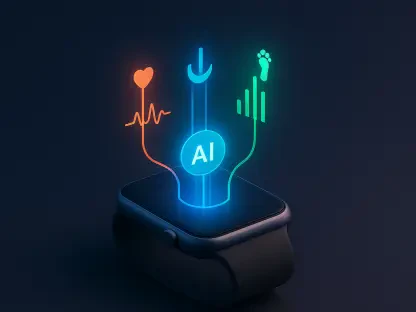

Medical diagnosis and intervention now happen before patients even realize they are ill, thanks to the seamless integration of sensor-embedded living environments and proactive algorithmic oversight. The healthcare sector has undergone a fundamental transformation where the traditional reliance on physical clinic visits is being superseded by a continuous, invisible net of digital supervision that monitors human biology in real time. Patients no longer wait for acute symptoms to manifest before seeking expert advice because high-fidelity wearable devices and ambient sensors detect physiological shifts long before they reach a critical threshold. This shift from reactive to proactive care is driven by the convergence of high-speed connectivity and sophisticated machine learning models that can process vast streams of personal health data. By analyzing heart rate variability and sleep patterns, these systems provide a comprehensive picture of an individual’s wellbeing. Consequently, the burden on emergency departments has begun to lighten as chronic conditions are managed through precise, data-driven interventions delivered directly to the home environment, ensuring that the system remains resilient.
The Diagnostic Revolution: Machine Learning in Clinical Settings
Predictive Modeling: Shifting From Reactive to Proactive Care
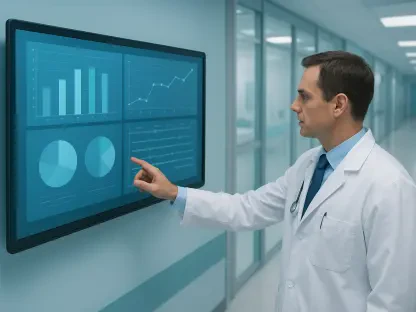
Algorithms are currently capable of identifying patterns in medical imaging and genomic sequences with a level of precision that often exceeds human capabilities, particularly in the early detection of oncological and cardiovascular issues. Platforms are being utilized to scan retinal photographs not just for eye disease, but for markers of systemic health such as hypertension and kidney dysfunction. This capability allows primary care physicians to initiate preventative strategies years earlier than previously possible. Furthermore, natural language processing tools are scanning electronic health records to find subtle trends in patient history that might suggest an impending metabolic crisis. These predictive models serve as a tireless second set of eyes for clinicians, ensuring that no outlier in the data goes unnoticed. As these tools become more deeply embedded in the standard workflow, the focus is shifting toward preventing the onset of disease rather than simply treating its symptoms after they appear, which reduces the long-term costs of care.
Precision Oncology: Utilizing Digital Twins for Therapeutic Testing
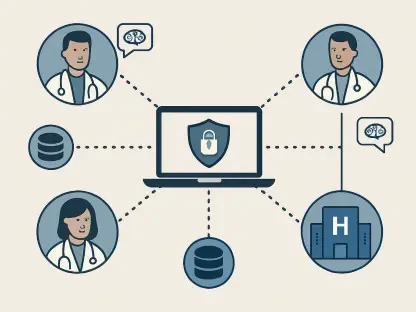
Generative AI is now being employed to simulate how specific patients might respond to various treatment protocols, effectively creating a digital twin for therapeutic testing. This approach allows oncologists to model the efficacy of different chemotherapy combinations on a virtual representation of a patient’s tumor before administering a single dose. By doing so, the medical community is moving away from a one-size-fits-all methodology toward highly personalized medicine that respects the unique biological makeup of the individual. This transition is supported by federated learning techniques, which allow AI models to be trained on diverse datasets from multiple hospitals without compromising patient privacy or data security. The resulting insights are more robust and less biased, leading to better outcomes for a wider range of demographic groups. The integration of these advanced simulations represents a massive leap forward in clinical decision support, making medicine more of an exact science while providing doctors with the confidence to pursue aggressive treatments.
The Expansion of Care: Remote Monitoring and Telepresence
Virtual Wards: Bringing Hospital-Grade Support to the Home
The physical boundaries of the hospital are expanding into the residential sphere through the implementation of virtual wards, where patients with acute conditions receive hospital-level care in their own bedrooms. This model utilizes a suite of internet-connected medical devices, such as smart infusion pumps and continuous glucose monitors, which transmit data directly to centralized command centers staffed by specialized nurses. When a patient’s vitals deviate from the expected range, the system triggers an immediate alert, enabling rapid response through high-definition video consultations or the dispatch of a mobile medical unit. This decentralized approach has proven particularly effective for managing recovery after major surgery or treating stable respiratory infections, significantly reducing the risk of hospital-acquired infections. Moreover, the psychological benefit of recovering in a familiar environment leads to faster recuperation times and higher patient satisfaction scores, which are critical for providers seeking to optimize patient throughput.
Strategic Implementation: Ensuring Security and Ethical Oversight
Healthcare leaders successfully prioritized the establishment of rigorous ethical frameworks and data interoperability standards to ensure these digital tools functioned safely and transparently across various systems. Stakeholders focused on bridging the digital divide by providing affordable connectivity and intuitive hardware to elderly populations, ensuring that technological progress did not exacerbate existing health disparities. Clinicians were retrained to work alongside automated systems, shifting their roles toward complex emotional support and nuanced decision-making that machines could not replicate. Moving forward, the emphasis remained on the human-in-the-loop principle, where AI handled data processing while humans maintained final authority over care plans. Investing in cybersecurity became a non-negotiable priority to protect the vast amount of sensitive biological data being transmitted through the cloud. By embracing a hybrid model of care, the industry moved toward a sustainable and efficient global health ecosystem that valued patient privacy.