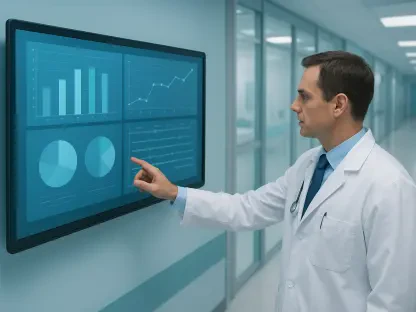

The transition from a sterile classroom environment to the high-stakes, dimly lit atmosphere of a modern diagnostic reading room represents a pivotal moment in the development of a medical professional. While medical school provides the anatomical and pathological foundation, the hospital internship serves as the crucible where theoretical knowledge is forged into clinical expertise. Students entering these programs in 2026 find themselves at the intersection of traditional medicine and rapid technological evolution, where the ability to interpret a complex scan can dictate immediate surgical interventions or long-term oncology treatments. This immersion is not merely about learning to identify shadows on a screen but about understanding the weight of those shadows on a patient’s life. The internship experience forces a shift from passive learning to active participation, demanding that candidates develop a professional intuition that textbooks cannot provide in a vacuum.
Bridging Theory: Moving From Classrooms to Clinics
Interns are often struck by the vast discrepancy between the “textbook” cases found in educational materials and the messy, multifaceted presentations encountered in a busy metropolitan hospital. During their initial months, they encounter patients with multiple comorbidities, where a standard abdominal CT scan might reveal three or four unrelated but significant findings simultaneously. This environment requires a level of cognitive synthesis that is rarely tested in academic settings. By shadowing senior residents and attending physicians, interns learn the art of prioritization, determining which findings are acute threats and which are chronic conditions to be monitored. Furthermore, the volume of cases handled during a typical shift builds the necessary mental stamina for a career in diagnostic radiology. They move beyond the simple identification of anatomy and start to recognize the subtle nuances of pathology as it appears across different patient types.
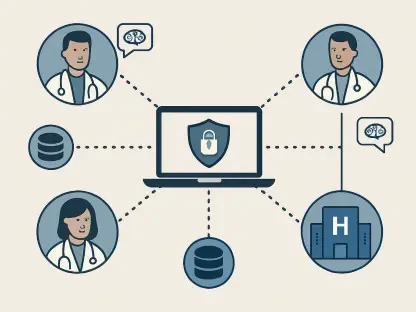
The collaborative nature of modern healthcare becomes evident as interns participate in multidisciplinary tumor boards and surgical planning sessions. In these meetings, the radiologist acts as a consultant to specialists from diverse fields, translating complex visual data into actionable medical insights. An internship provides the first real opportunity to see how a radiologist’s report directly influences the decisions of a neurosurgeon or an oncologist. This interaction highlights the importance of clear, concise communication and the ability to defend a diagnostic conclusion under scrutiny. Interns quickly realize that their role extends far beyond the reading room, as they must often explain their findings to other clinicians who may have different priorities or levels of expertise. Building these professional relationships early in their career fosters a sense of accountability and emphasizes the radiologist’s position as a central figure in the care team.
Professional Evolution: Integrating Clinical and Ethical Skills
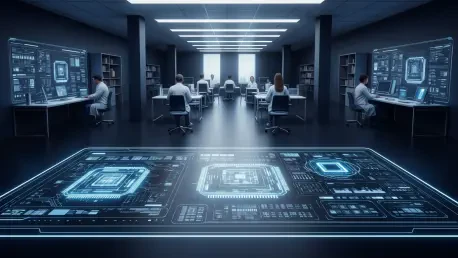
Technological integration has reached a point where interns must become proficient in utilizing sophisticated artificial intelligence tools designed to augment human perception. These systems assist in triaging critical cases by flagging potential hemorrhages, yet the intern must learn to validate these findings rather than relying on them blindly. Learning to navigate these advanced workstations, which often incorporate 3D reconstruction and automated volumetric measurements, is a core component of the contemporary training experience. The focus is no longer solely on the physical act of viewing images but on managing the massive influx of data that modern scanners produce. Interns practice differentiating between technological artifacts and genuine pathology, a skill that requires thousands of hours of observation. This exposure ensures that they are not just capable doctors but also tech-savvy operators who can leverage the latest innovations to improve diagnostic accuracy.
The evolution of radiology training emphasized that technical proficiency must be balanced with a commitment to patient-centered care and ethics. Hospital programs successfully transitioned from focusing on image interpretation to fostering a holistic understanding of the patient’s journey. Educators identified that the most effective interns were those who sought feedback from mentors and engaged in self-assessment. To remain competitive in the coming years, prospective radiologists prioritized the mastery of data science alongside traditional clinical skills. Hospitals implemented structured mentorship programs that paired interns with veteran radiologists to bridge the generational gap in technological adoption. The most successful candidates focused on developing a versatile skill set that included both high-level diagnostic reasoning and emotional intelligence. For those entering the field, the path forward involved a dedicated effort to integrate these diverse competencies into a singular identity.