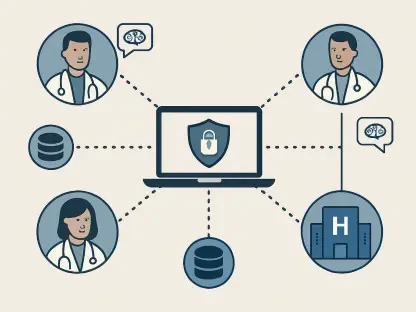

Inbox pings have replaced waiting room calls as GLP-1 therapy moved from a maze of appointments and approvals into an app-mediated workflow that compresses intake, prescribing, and delivery into a single, guided lane. In minutes, adaptive questionnaires collect medical history, contraindications, and goals, while branching logic triages edge cases to clinicians instead of shuttling every patient through the same script. That speed used to invite skepticism, yet modern platforms pair it with structured review, real-time eligibility checks, and pharmacy integrations that cut the time to first dose from weeks to days. The shift is not just convenience. GLP-1 drugs demand tight dose titration, side effect monitoring, and ongoing education, and the “app layer” now functions as the front door, the chart, and the follow-up desk. As consumer-grade tools harden into clinical infrastructure, the winners treat software as care pathways encoded in code, not as a checkout button for prescriptions.
The App as Clinic: How the Stack Delivers Care
The backbone looks surprisingly consumer-first but is built to clinical spec: adaptive intake forms with branch-and-bound logic surface pancreatitis risk or med interactions, while rules engines flag prior bariatric surgery or insulin use before a prescription is even drafted. Secure asynchronous messaging replaces phone tag, with push alerts via APNs and FCM and audit trails that satisfy HIPAA logging. On the data side, FHIR R4 endpoints shuttle vitals and labs when available, CDS Hooks inject dosing prompts, and OAuth 2.0 keeps tokens scoped. Ordering flows route through NCPDP SCRIPT for e-prescribing, eligibility checks verify coverage, and electronic prior authorization moves through standardized ePA rails so a clinician can escalate only when something jams. This orchestration shrinks idle time between steps, but more importantly, it binds clinical judgment to software events—titration guardrails, symptom thresholds, and education nudges fire automatically rather than relying on sporadic calls.
Why this matters most for GLP-1s becomes clear after week two, when nausea, fatigue, and appetite fluctuations often test adherence. Apps that capture daily symptoms and meal patterns through lightweight check-ins help clinicians adjust dose without defaulting to video visits, keeping care frequent but low-friction. Dose algorithms anchored to weight change, GI tolerance, and fasting glucose values nudge up or hold steady, while embedded education modules explain why a slower ramp can reduce side effects without losing momentum. Pharmacies plug in via inventory and dispensing APIs so stockouts are flagged before refill dates; some platforms split fulfillment between 503B outsourcing facilities for compounded semaglutide and retail chains for FDA-approved products, with clear disclosures on regulatory differences and stability profiles. The result is not automation replacing medicine, but software handling the boring and brittle steps so clinicians can focus on outliers: atypical side effects, comorbidities, and the art of pacing change.
Choosing Wisely: Features That Predict Better Outcomes
Provider offerings look similar on landing pages yet diverge sharply inside the app. Robust programs start with substantive intake—comprehensive history, medication review, and cardiometabolic goals—before any script is considered, and the rationale is visible in the chart rather than buried in templates. If compounded semaglutide or tirzepatide is offered, disclosures explain sourcing, sterility standards for 503B facilities, dose equivalence versus branded pens, and trade-offs like variable availability and insurance coverage. Built-in support matters early: included clinician messaging during the first dosing cycles prevents minor nausea from becoming a dropout, with clear care plans that adjust meal timing, hydration, and antiemetic use when appropriate. Strong apps show dose schedules, lot numbers, and pending labs in one timeline, while refill ETAs update as pharmacy queues move, eliminating the silent gaps that lead to missed weeks and backslides.
The market split has widened between integrated platforms and thin wrappers over generic telemedicine. Integrated systems encode titration logic, symptom thresholds, and pharmacy routing as first-class features; wrappers rely on manual callbacks and generic e-prescribe flows, which create bottlenecks and inconsistent dosing. For patients and employers selecting a service, practical steps were straightforward: request a sample intake to gauge depth, confirm that messaging during titration was included without per-visit fees, and ask which rails power ePA and refill tracking to understand whether delays would be handled or handed off. Programs that combined individualized titration, transparent compounding policies, and real-time pharmacy status consistently reduced drop-offs and improved adherence. Looking ahead, tying meal logs, activity data, and side effect trends to clinic-level dashboards, and aligning dose strategy with inventory signals and outcomes reporting, offered the clearest path to safer scaling and better results.