
The administrative burden of modern medicine has reached a tipping point where physicians often spend twice as much time interacting with digital interfaces as they do treating patients. This systemic inefficiency directly contributes to the rising rates of clinical burnout, forcing medical professionals to seek innovative solutions outside the traditional healthcare equipment catalog. Interestingly, a burgeoning movement of tech-savvy doctors has begun integrating high-performance gaming hardware into their daily routines to mitigate the physical and mental toll of data entry. These professionals recognized that hardware designed for marathon gaming sessions—where precision, speed, and comfort are paramount—translates exceptionally well to the high-stakes environment of Electronic Health Records (EHR) management. By utilizing equipment engineered for maximum response and minimal fatigue, clinicians are finding new ways to reclaim their time and preserve their well-being. This shift signifies a departure from standard-issue hospital IT bundles toward a more personalized, performance-oriented approach to medical documentation. By focusing on the provider experience, hospitals can address the root causes of digital exhaustion before they lead to permanent professional attrition.
Clinical Efficiency: The Role of Specialized Hardware
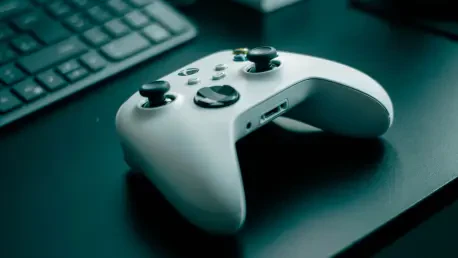
The primary benefit of gaming peripherals in a clinical setting lies in their advanced programmability and tactile feedback, which significantly reduces the repetitive strain associated with navigating complex software like Epic or Cerner. Programmable multi-button mice, such as those in the Logitech G-Series or Razer Naga lineup, allow doctors to map frequent commands—like opening specific templates, signing charts, or toggling between patient views—to a single thumb click. This eliminates hundreds of unnecessary hand movements per shift, creating a more fluid and less taxing interface experience. Furthermore, mechanical keyboards with hot-swappable switches provide a superior typing experience that reduces finger fatigue through optimized actuation force. Unlike the mushy membrane keyboards found at most nursing stations, these mechanical alternatives offer precise feedback that ensures accuracy and speed. This transition to high-end input devices represents a practical response to the heavy data-entry demands that define modern healthcare workflows today, turning a source of frustration into a streamlined process that allows for greater cognitive availability.
The integration of gaming gear into the clinical landscape provided a clear roadmap for organizations seeking to mitigate the effects of professional exhaustion through better environmental design. Facilities that authorized the use of specialized hardware observed a measurable improvement in the speed of documentation and a decrease in user-reported eye strain and wrist pain. Hospital procurement departments began to recognize that the marginal cost of high-performance peripherals was a worthy investment compared to the high price of physician turnover and medical errors. Moving forward, health systems looked toward establishing dedicated ergonomic standards that included high-refresh displays and customizable input devices as part of the standard physician workstation. Leadership teams evaluated the impact of these tools on daily productivity and found that the reduction in cognitive friction allowed doctors to focus more energy on patient interaction. This evolution in the medical workspace proved that prioritizing the physical interface between the clinician and the machine was essential for long-term career longevity. Strategic investments in these technologies ultimately stabilized the workforce and enhanced the overall quality of care delivered across the network.