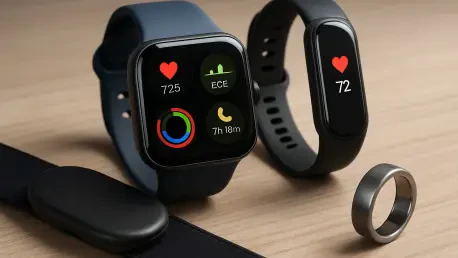
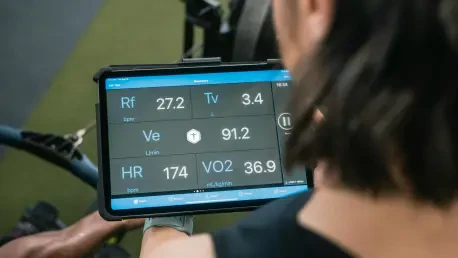
The ubiquitous glow of smartwatches and the subtle presence of fitness rings have woven the practice of self-quantification into the very fabric of daily life, turning personal biometrics into a common language of wellness. Millions of people now meticulously track everything from their heart rate

The year 2025 has materialized not merely as another point on the calendar but as a crucible where the democratization of capital and revolutionary biological science are forging a new economic and social paradigm. This evolving landscape is driven by the maturation of alternative finance

In an age where personal health data is increasingly generated yet remains fragmented across countless apps and provider portals, the ability to form a coherent picture of one's own wellness has become a significant challenge. OpenAI has now stepped into this complex arena by launching ChatGPT
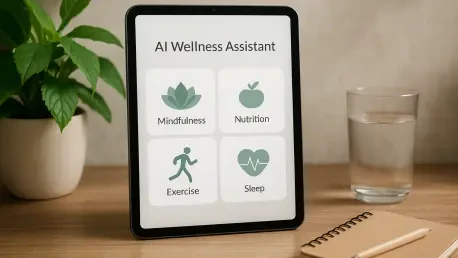
Responding to a massive and deeply ingrained user trend that has been quietly unfolding for years, OpenAI has officially announced the launch of ChatGPT Health, a specialized AI platform designed to empower individuals in managing their personal health journey. The announcement, dated January 7,
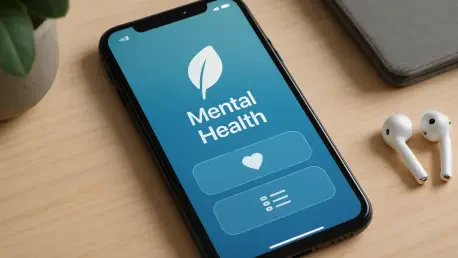
The digital wellness landscape in Japan is undergoing a profound transformation, with its mental health app market projected to skyrocket from US$ 181.54 million in 2025 to an impressive US$ 822.51 million by 2035, reflecting a compound annual growth rate of 16.31%. This explosive growth is not a

A preventable disease that was declared eliminated in the United States a quarter-century ago is now surging with alarming speed, pushing the nation's public health system to its limits and raising serious questions about the state of herd immunity. With the number of infections for 2025 climbing