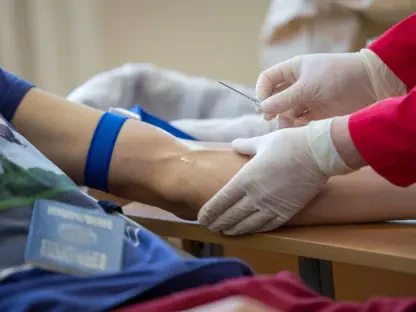
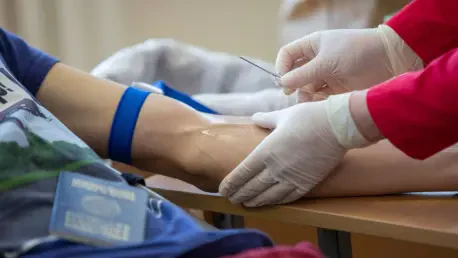
Patient feedback from Aletta clinical trials showed that 82% of participants preferred the robotic procedure or felt no preference compared to human practitioners. This high level of acceptance marks a pivotal moment in medical history, as automated systems transition from experimental prototypes
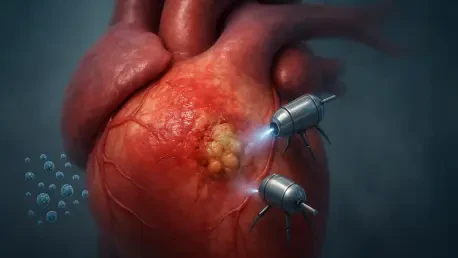
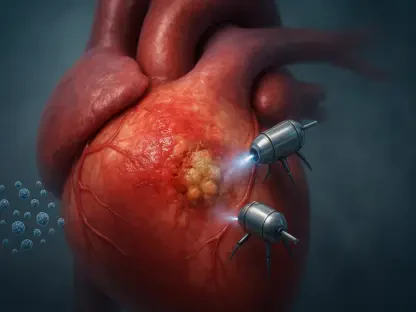
Engineers are leveraging the precision of electromagnetic steering to move medical devices through the heart without the need for internal power supplies. This breakthrough by the team at Johns Hopkins University introduces a pair of rice-sized robotic modules designed to address infective

The most vital attribute of modern nursing robotics is clinician governance, ensuring that machines serve as an extension of the nurse rather than a replacement. Within the high-pressure environment of the intensive care unit, where clinical decisions must be made in seconds and patient instability
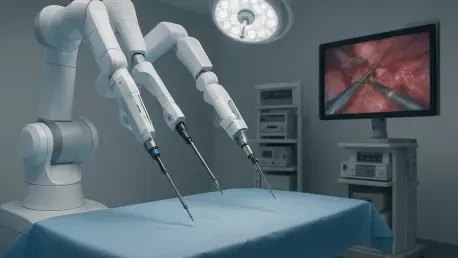
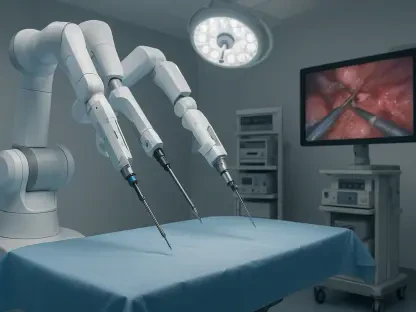
Powell Valley Healthcare CEO Todd Sandberg has identified the acquisition of a da Vinci Surgical System as a critical step for maintaining parity with neighboring medical facilities. This initiative represents a significant evolution in the regional healthcare landscape of the Big Horn Basin, where

The increasing complexity of surgical robots requires a class of healthcare professionals who understand the internal mechanics and software driving these machines. As modern operating rooms transform into high-tech hubs filled with autonomous systems and precision instruments, the gap between the
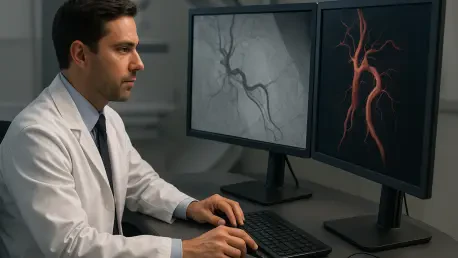
The recent FDA clearance of the Liberty Endovascular Robotic System marks a pivotal transition from manual vessel manipulation to robotic-assisted precision in oncology care. This technological leap, spearheaded by Microbot Medical, addresses the fundamental physical and technical constraints that