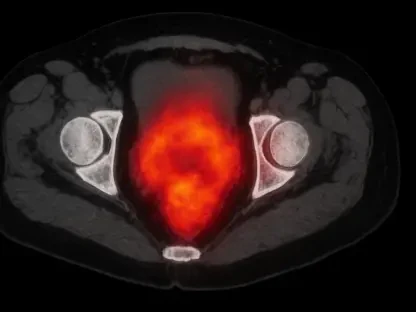
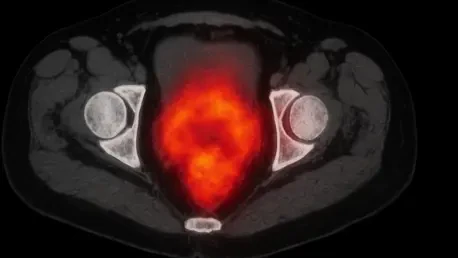
Gallium-68 PSMA-11 radiotracers create a vivid molecular signature that reveals metabolic activity even in anatomically normal regions of the prostate. This breakthrough addresses a persistent challenge in modern urology, where traditional multiparametric MRI often fails to detect high-grade tumors
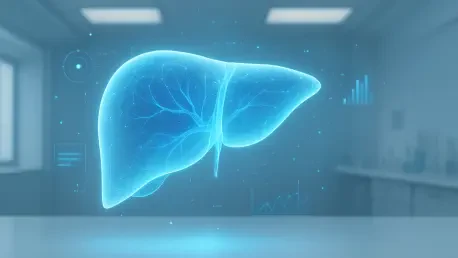
Metabolic dysfunction-associated steatohepatitis represents a severe condition where active fibrosis acts as the primary predictor of liver-related mortality rates. This silent progression of connective tissue buildup, known as fibrosis, has long plagued the medical community because it remains
The success of [¹⁸F] AlF-NOTA-Pentixafor in detecting shallow and diffuse gastric tumors represents a pivotal step in refining oncology protocols for indolent lymphomas. Gastric mucosa-associated lymphoid tissue (MALT) lymphoma has long remained one of the most elusive targets in clinical oncology
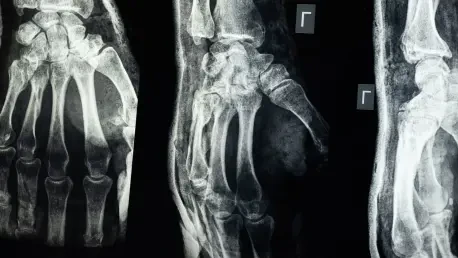
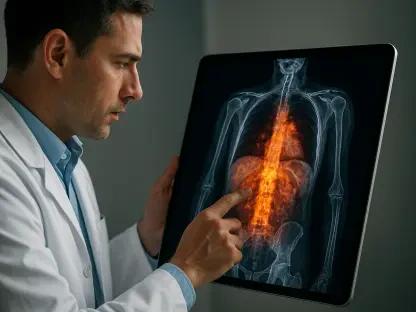
The diagnostic precision of modern oncology often rests on the ability to detect skeletal metastases before they become visible on standard x-rays, yet the visual complexity of bone scintigraphy has long remained a barrier to automated interpretation. Standard artificial intelligence models trained

Funding from charitable contributions has allowed the Trust to modernize its approach to public health by decentralizing critical life-saving infrastructure. By relocating two Automated External Defibrillators from restricted internal rooms to high-visibility external cabinets, the Countess of

Every single day, thousands of patients in European hospitals wait for treatments that depend on a specialized class of radioactive atoms, many of which lose their potency within hours of being produced. The European Radioisotope Valley Initiative seeks to bridge the gap between academic research