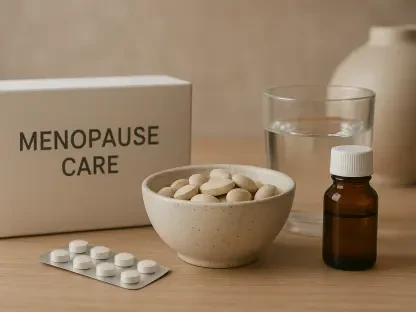
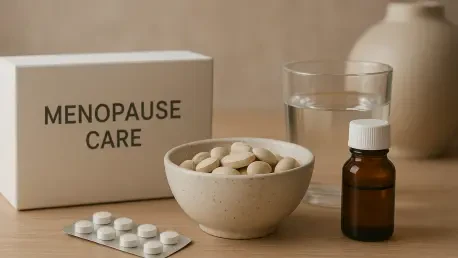
The partnership between Better U and Evernow serves as a blueprint for specialized care by treating the female body and mind as an inseparable, interconnected system. For decades, the medical establishment has largely managed the transition through perimenopause and menopause as a series of

While virtual reality is not a replacement for psychiatric care, it serves as a powerful preventative tool for building emotional resilience in young populations. As the academic and social pressures of the current decade intensify, traditional methods of stress management often fall short of
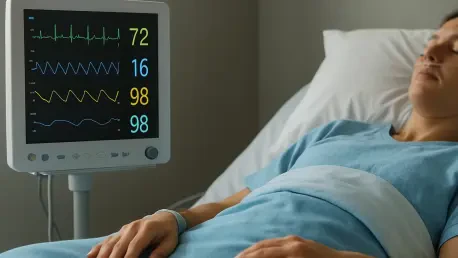
Medical professionals have long viewed the transition from hospital to home as a critical blind spot where patient health can deteriorate without immediate oversight. For decades, the period following discharge has been characterized by a lack of continuous data, leaving patients to navigate
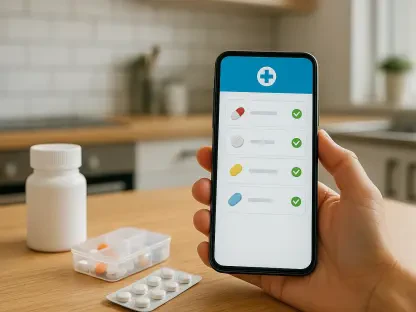
Even when individuals understand the risks of improper drug storage, shifting entrenched domestic habits like monitoring expiration dates remains a difficult behavioral challenge. The accumulation of expired, damaged, or unused pharmaceutical products in private residences has grown into a

Standard head and neck cancer treatments frequently result in the loss of taste and smell, adding a profound psychological burden to physical recovery. This sensory deprivation is only the beginning of a grueling journey, as concurrent chemoradiotherapy aggressively targets the biological

Researchers are banking blood samples to analyze biomarkers such as GDF-15 and NT-proBNP, which may serve as early indicators of persistent vascular inflammation after delivery. This rigorous scientific endeavor addresses the long-standing observation that pregnancy acts as a natural "stress test"
1 2 3 4 5 6 7 8 9 10 11 12 13 14 15 16 17 18 19 20 21 22 23 24 25 26 27 28 29 30 31 32 33 34 35 36 37 38 39 40 41 42