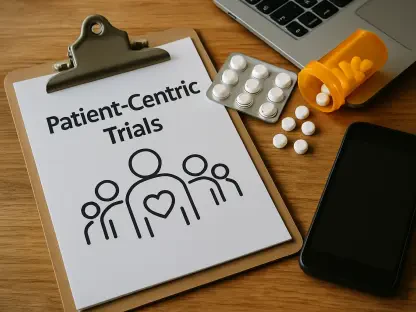

The paradigm of companion animal healthcare is experiencing a profound and rapid evolution, shifting from the exclusive domain of veterinary clinics to the familiar surroundings of the home. A burgeoning market of at-home diagnostic tests is empowering pet owners to become frontline participants in

Locked within the digital archives of every hospital and clinic lies a narrative of human health, written not in structured database fields but in the free-flowing text of physicians’ notes, the detailed descriptions of radiology reports, and the nuanced interpretations of pathology slides. This

Effectively responding to the complex and ever-shifting landscape of public health threats requires more than just good intentions; it demands a foundation of precise, timely, and actionable information. The Epidemiology Unit at the Cook County Department of Public Health (CCDPH) exemplifies this
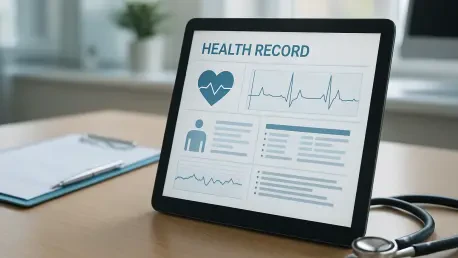
In an era defined by digital transformation in healthcare, the tension between data accessibility and patient privacy has never been more acute. With the shadow of catastrophic data breaches like the one at Change Healthcare looming large, policymakers and industry leaders are urgently reassessing

The pursuit of health equity in the United States faces a significant and persistent obstacle: the pervasive gaps in person-centered data that render the health status and experiences of diverse communities invisible. This widespread issue of missing, incomplete, and non-standardized information,
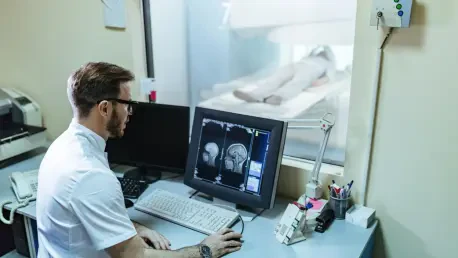
The field of radiology stands at a technological crossroads, where the sheer volume of patient data and the complexity of clinical histories present a formidable challenge to even the most experienced practitioners. In this high-stakes environment, a new class of artificial intelligence is emerging