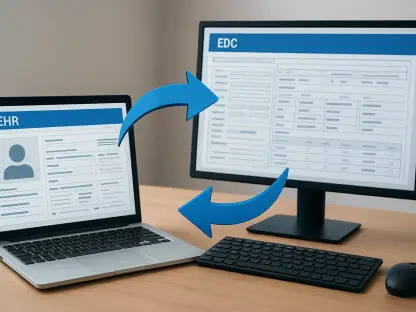

Mount Sinai Tisch Cancer Center has officially ended the era of manual data transcription by implementing a routine automated workflow for oncology research records. This significant transition marks the move from a limited pilot phase to a comprehensive standard operating procedure that integrates
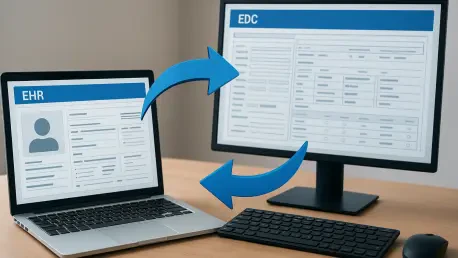
Embedding automated infrastructure into the organizational fabric of a research hospital eliminates the need for difficult mid-study technology transitions. For decades, the clinical research industry has been hindered by a repetitive and inefficient administrative hurdle known as "double entry,"

The centralization of ethical reviews under Law 14.874/2024 aims to permanently eliminate the 're-review' culture that has historically stalled large-scale clinical trials. This move marks a fundamental modernization of the Brazilian clinical research landscape, recently highlighted at the

The federal government has fundamentally altered the financial landscape for safety-net hospitals by approving a new model that replaces upfront drug discounts with a complex backend rebate system. This regulatory pivot marks a departure from decades of established practice, signaling a new era

The economic cost of diabetes-related complications in the United States exceeds four hundred billion dollars annually, requiring targeted outreach that is only possible with precise demographic insight. The United States is currently navigating a complex transition in administrative policy as

A mid-study hardware or software upgrade at a clinical site can silently rewrite longitudinal data by increasing the contrast-to-noise ratio, potentially masking or mimicking a drug effect. This technical volatility represents one of the most significant yet underappreciated risks in modern drug