In a move that sent ripples through the tech and healthcare industries, the U.S. Food and Drug Administration unveiled a new regulatory philosophy from the unlikely stage of the Consumer Electronics Showcase, signaling a deliberate shift away from stringent oversight toward a more permissive era for digital health technology. This deregulation represents a significant inflection point, designed to accelerate the pace of innovation in artificial intelligence and wearable technology by removing hurdles for low-risk products. The following analysis dissects the FDA’s new guidance documents, explores their real-world impact on wellness devices and clinical software, and analyzes the evolving balance between fostering rapid innovation and ensuring patient safety.
The FDA’s New Guidance a Closer Look
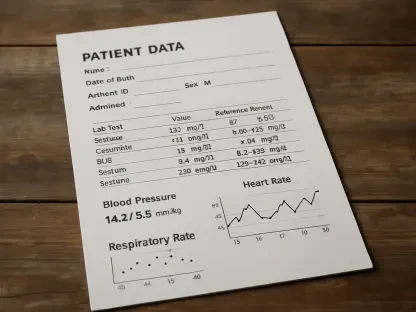
The Data Redefining Regulatory Boundaries
At the heart of this trend are two final guidance documents from the FDA that substantially loosen oversight for general wellness wearables and certain categories of AI-powered clinical decision support (CDS) software. The stated goal of these changes is to “promote more innovation with AI in medical devices” by clarifying which products are exempt from the more rigorous and time-consuming medical device regulatory pathways. By drawing brighter lines between what constitutes a low-risk wellness tool versus a high-risk medical device, the agency aims to clear a path for faster development and market entry.
These policy updates were finalized and published without the conventional public comment period, an approach that underscores a broader deregulatory push within the administration at the time. This decision to bypass public feedback reflects an urgency to adapt regulations to the rapid evolution of technology, though it also limits the opportunity for stakeholders like patient advocacy groups and medical associations to weigh in on potentially significant changes to the digital health ecosystem.
Real-World Applications From Wearables to Clinical AI
The practical implications of this new guidance are immediate and tangible. For instance, a wrist-worn wearable that tracks validated blood pressure or blood glucose values for general wellness is now exempt from medical device regulation, provided it is marketed for fitness awareness rather than medical diagnosis. However, to qualify for this exemption, a glucose-tracking device must be explicitly contraindicated for individuals with diabetes, establishing a clear boundary for its intended use. This clarification resolves previous ambiguities that had left companies uncertain about their regulatory obligations.
For clinical software, the changes are just as profound. An AI tool that analyzes a radiologist’s written report to generate a diagnostic summary is now considered a non-device, falling outside the FDA’s purview. In contrast, software that directly analyzes the medical image itself to produce that report remains a regulated medical device. Similarly, software predicting a patient’s long-term cardiovascular risk based on standard inputs like age and blood pressure is now exempt. Yet, an algorithm that predicts an imminent risk or uses complex, non-standard data like genomics would still require strict regulatory oversight, highlighting the agency’s focus on risk level and data complexity.
Industry Reaction and Expert Perspectives
The medtech industry, particularly developers of consumer-facing wearables, has responded with widespread approval. Companies like Whoop and Oura lauded the new guidance, stating that it resolves long-standing uncertainty that previously stifled product development. This regulatory clarity is seen as a critical enabler for innovation, allowing developers to operate with a much clearer understanding of where the lines are drawn.
From the industry’s perspective, these changes establish a crucial and more practical distinction between low-risk tools designed for wellness awareness and high-risk devices intended for medical diagnosis or treatment. This bifurcation allows companies to more confidently develop products that empower consumers with health insights without triggering the full weight of medical device regulation. However, the new framework is not without its obligations; it maintains a strict requirement for transparency. Developers of exempt CDS software must still provide clinicians with enough information, including details on the underlying algorithm and validation data, to allow them to independently review and understand the basis for the AI’s recommendations.
The Future of Deregulated Digital Health
This regulatory shift is expected to trigger a surge in new AI-driven health applications and consumer wellness devices, which can now reach the market more quickly and at a lower cost. For consumers, this could mean greater access to personal health data and tools that encourage proactive health management. For healthcare professionals, it holds the promise of more efficient clinical workflows, with AI assistants handling routine data analysis and providing supportive insights, freeing up valuable time for direct patient care.
Despite the benefits, this new landscape presents significant challenges and potential risks. The line between a “wellness” claim and a “medical” one can be exceedingly fine, creating a gray area that could be exploited by marketers. More importantly, the deregulation of certain CDS tools places a greater responsibility on clinicians to vet and validate the unregulated AI they choose to incorporate into their practice. Without the FDA’s stamp of approval, healthcare providers become the primary gatekeepers responsible for ensuring these tools are accurate, unbiased, and safe for patient care. This shift could impact the balance between fostering rapid innovation and upholding the rigorous patient safety standards that have long defined healthcare.
Conclusion Charting the Course for Innovation and Safety
The FDA’s revised guidance created a more permissive and clearly defined pathway for a new generation of low-risk digital health tools, fundamentally altering the regulatory landscape for wearables and clinical AI. This trend directly impacted product development cycles, the practice of medicine, and the ways in which consumers engage with their own health data. As the market continues to absorb these changes, the need for vigilance from developers, healthcare providers, and consumers has never been greater. Ensuring that these innovative technologies are used responsibly and effectively now depends on a collective commitment to transparency, independent validation, and a clear-eyed understanding of the boundary between wellness insight and medical diagnosis.