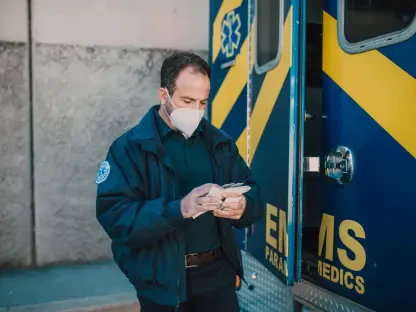

A groundbreaking piece of legislation signed by Governor Kathy Hochul is set to fundamentally reshape the landscape of emergency medical and ambulance services throughout New York State, addressing a system long beleaguered by critical staffing shortages, inconsistent coverage, and inadequate funding. This new law, sponsored by State Senator Shelley B. Mayer and Assemblyman Steve Otis, moves beyond temporary fixes to establish a permanent, strategic framework aimed at ensuring every resident has access to reliable and timely emergency care. It marks a pivotal shift in how the state approaches EMS, treating it not as a disjointed network of providers but as an essential public service requiring comprehensive planning and coordination.
A Legislative Framework for Change
Mandating Localized Strategic Planning
The core of this legislative overhaul is the establishment of a mandatory, localized planning process designed to directly confront the systemic crises that have plagued New York’s EMS for years. The consensus that drove the law’s creation was that a strategic reform was essential to guarantee that dependable emergency medical and ambulance services are accessible to every individual in the state. This initiative responds directly to a confluence of critical challenges, including severe shortages of Emergency Medical Technicians (EMTs), persistent difficulties in retaining experienced personnel, and alarming gaps in service coverage that disproportionately affect rural and underserved communities. These issues often manifest in dangerously long response times and an over-reliance on volunteer agencies that are themselves struggling with dwindling numbers and resources. The law’s framework acknowledges that a one-size-fits-all solution is unworkable, instead empowering local governments to diagnose and treat the specific ailments within their own emergency response ecosystems, thereby building a more resilient and equitable statewide system from the ground up.
Under the new directive, each of New York’s counties is tasked with spearheading a collaborative effort involving its local cities, towns, villages, and the full spectrum of existing EMS providers, from municipal departments to volunteer corps and private ambulance companies. This coalition will conduct a thorough and data-driven assessment of the current state of emergency services within its jurisdiction, a process designed to pinpoint specific weaknesses, coverage gaps, and operational inefficiencies. Based on the insights gleaned from this comprehensive review, each county is then required to develop and formalize a coordinated plan to rectify the identified shortcomings and strategically enhance service delivery. This county-by-county methodology is intended to create a detailed and actionable roadmap for future improvements, while critically respecting the unique demographic, geographic, and economic realities of different regions. To ensure consistency and adherence to best practices, state-level bodies such as the NYS Department of Health, the State Emergency Medical Services Council (SEMSCO), and the various Regional Emergency Medical Services Councils (REMSCOs) will play an active role in providing essential guidance and oversight throughout the planning and implementation phases.
Collaborative Efforts and Implementation
Both legislative sponsors have underscored the law’s monumental significance as a crucial first step toward modernizing a vital public service. Senator Mayer articulated the legislation as the beginning of a long-overdue campaign to formally recognize and support EMS as an “essential” service, placing it on equal footing with police and fire departments in terms of public priority and funding considerations. This reclassification is more than symbolic; it signals a fundamental shift in governmental responsibility for ensuring the system’s viability. Similarly, Assemblyman Steve Otis emphasized the law’s focus on adaptability, which grants local governments the necessary flexibility to design plans that best suit their unique circumstances. This approach allows for the integration of the diverse mix of public, volunteer, and private providers that currently constitute the state’s complex EMS landscape. The successful passage of the bill was the culmination of extensive consultations with a broad coalition of stakeholders, including the New York Association of Counties (NYSAC), the New York Conferences of Mayors (NYCOM), the Association of Towns (NYAOT), and key representatives from fire districts and private EMT services, reflecting a widespread consensus on the urgent need for reform.
The legislation sets forth a clear and structured timeline for action to ensure that the planning process moves forward without delay. According to the law’s provisions, the newly developed county-level plans must be completed and submitted to the NYS Department of Health for review and comment within six months of the legislation officially taking effect. This tight deadline underscores the urgency of the situation and is intended to accelerate the transition from assessment to implementation. Officially designated as Chapter 703 of the Laws of 2025, the law is also poised for further refinement through a chapter amendment. This subsequent modification, which was carefully negotiated between the Governor’s office and the Legislature, will incorporate additional adjustments to the planning process, demonstrating a commitment to an iterative and responsive approach to reform. This built-in adaptability ensures that the framework can evolve to meet unforeseen challenges and that the final plans are as effective and practical as possible, reflecting a dynamic partnership between state and local governance in tackling one of public health’s most pressing challenges.
A Foundation for Future Resilience
The enactment of this law marked a turning point for emergency medical services in New York. By mandating a structured, collaborative, and localized planning process, the state established a robust foundation for addressing long-standing systemic failures. The legislation moved beyond reactive measures and initiated a proactive strategy to build a more reliable, equitable, and sustainable EMS system for the future. This comprehensive approach, which integrated the expertise of local governments, diverse service providers, and state oversight bodies, set a new standard for how essential public safety services are managed and funded. The successful collaboration behind this reform provided a powerful blueprint for tackling complex public infrastructure challenges, ensuring that the health and safety of New Yorkers remained a paramount priority.