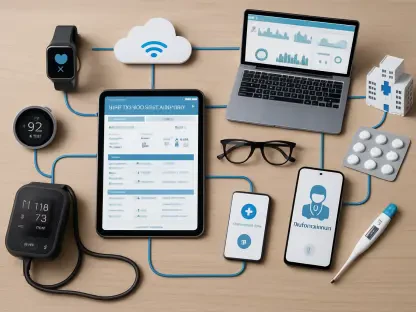

Imagine a world where a patient in a remote rural area can consult with a specialist hundreds of miles away without leaving home, or where a busy urban professional can get medical advice during a lunch break. This isn’t a dream—it’s the reality of telehealth, a game-changer in healthcare delivery that’s redefining access to medical services. At the core of this revolution are telehealth APIs, the digital tools that enable secure, real-time connections between patients and providers. With so many options on the market, each boasting unique features and capabilities, selecting the right one for remote patient care can feel like navigating a maze. Some prioritize ease of use, others focus on customization, but all aim to bridge the gap between physical distance and quality care. This article takes a deep dive into the top telehealth APIs, unpacking their strengths in areas like scalability, security, and user experience. By exploring what sets solutions like iotum, Ion-SFU, Kurento, mediasoup, Janus, and WebRTC apart, the goal is to provide clarity for healthcare providers and organizations looking to enhance virtual care. Whether managing a small clinic or a sprawling hospital network, understanding these tools is the first step to transforming patient interactions.
Unpacking the Core Technology Behind Telehealth
The foundation of most telehealth platforms lies in a powerful technology known as WebRTC, short for Web Real-Time Communication. This open-source protocol allows direct, browser-based audio, video, and data sharing without the hassle of additional software or plugins. Picture a patient joining a consultation straight from a smartphone browser, no downloads required—that’s WebRTC at work. Its peer-to-peer architecture minimizes delays, delivering the low-latency interactions critical for effective medical consultations. Beyond performance, it offers built-in encryption to protect sensitive conversations, a non-negotiable in healthcare. However, it’s not without hurdles; issues like network barriers in secure environments such as hospital systems often demand extra configurations like relay servers. Despite these challenges, WebRTC remains the gold standard, underpinning most top APIs and ensuring that virtual care feels as immediate and personal as face-to-face visits. Its universal adoption signals a shared belief in its reliability for powering remote patient monitoring.
Delving deeper, the significance of WebRTC extends beyond just connectivity—it’s about democratizing access. For patients unfamiliar with tech, the simplicity of clicking a link to join a session can make all the difference in engaging with care. For providers, compatibility across devices means fewer technical glitches during high-stakes consultations. While some APIs build extensively on this foundation, adding layers of features, others keep it minimal for customization. The beauty of this technology is its adaptability, allowing both small practices with limited resources and large systems with complex needs to leverage it effectively. Yet, organizations must remain mindful of its limitations, particularly in environments with strict firewalls, where additional infrastructure becomes essential. As the backbone of telehealth, WebRTC sets the stage for exploring how different APIs enhance or modify this core to meet diverse healthcare demands.
Scalability and Performance in Virtual Care Delivery
When it comes to telehealth, the ability to handle varying loads and maintain seamless communication is paramount, especially during peak usage or in multi-party consultations. APIs like Ion-SFU and mediasoup shine in this arena, employing a Selective Forwarding Unit model that routes media efficiently, keeping call quality high even when bandwidth is low. This is a lifeline for rural healthcare providers where internet reliability isn’t guaranteed, ensuring patients in underserved areas aren’t left behind. Similarly, platforms like Kurento and Janus bring flexibility with architectures that support group interactions, adapting to everything from one-on-one check-ins to team-based care discussions. Scalability isn’t just a technical metric here; it’s about ensuring no patient experiences a dropped call or lag when discussing critical health concerns. Performance under pressure defines whether a telehealth solution can truly deliver on its promise of accessible care.
Moreover, the importance of low latency can’t be overstated in a field where every second counts. A delayed response during a telehealth session can disrupt the flow of diagnosis or treatment advice, eroding trust in the system. These APIs tackle this head-on by optimizing media transmission, allowing clinicians to assess patient conditions in real time, whether it’s observing a rash or listening to breathing patterns. For larger healthcare networks managing hundreds of daily virtual visits, this capacity to scale without sacrificing speed offers a competitive edge. It’s not just about keeping up with demand but about creating an experience that feels as reliable as walking into a doctor’s office. As telehealth continues to grow, the ability of these tools to adapt to diverse network conditions and user volumes will likely remain a key factor in their adoption across varied medical settings.
Ensuring Security and Compliance for Patient Trust
In the realm of telehealth, safeguarding patient information isn’t just a priority—it’s a legal and ethical mandate governed by strict regulations like HIPAA. Leading APIs, including iotum and Janus, embed robust encryption protocols such as DTLS and SRTP to secure data as it travels between devices. This ensures that sensitive discussions about diagnoses or treatments remain confidential, shielding them from potential breaches. However, encryption alone doesn’t guarantee compliance; achieving full adherence to regulatory standards often requires additional measures like secure hosting environments and formal agreements with vendors handling protected health information. Healthcare organizations must diligently assess whether their chosen API supports these broader security frameworks, as a single lapse could undermine patient trust and invite legal repercussions. Data protection forms the bedrock of any credible virtual care system.
Balancing this stringent security with a smooth user experience presents another layer of complexity. Patients and providers shouldn’t need to jump through hoops to ensure privacy, nor should safeguards hinder the immediacy of care. Managed platforms like iotum address this by integrating security features seamlessly into user-friendly tools, such as instant-join links and virtual waiting rooms, so that protection doesn’t feel like a burden. In contrast, open-source solutions like mediasoup offer the flexibility to customize security setups, though they demand more technical expertise to align with compliance needs. Striking this equilibrium is essential—after all, a platform that’s secure but cumbersome risks being abandoned by users. The challenge lies in crafting systems that prioritize both airtight data protection and intuitive functionality, ensuring that telehealth remains both safe and accessible for all stakeholders in the healthcare journey.
Streamlining Integration and Enhancing User Interactions
One of the standout qualities of a telehealth API is its ability to blend into existing healthcare ecosystems, such as electronic medical records or clinical portals, without disrupting daily operations. Solutions like iotum excel in this space, offering pre-built features through REST APIs and webhooks that simplify everything from appointment scheduling to post-visit analytics. This plug-and-play approach suits smaller clinics or practices with limited IT resources, allowing them to implement virtual care swiftly and focus on patients rather than technical setup. On the other hand, developer-centric platforms like Janus and Kurento cater to those who need bespoke integrations, supporting a range of protocols for tailored workflows. While these require more hands-on effort, they empower larger systems or tech-savvy teams to craft solutions that align precisely with unique operational needs. The decision between out-of-the-box convenience and customizable depth often hinges on the resources and long-term goals of the organization adopting the technology.
Equally critical is how these APIs shape the interaction between patients and providers, as ease of use can significantly impact care delivery. Features like click-to-join links, live captions, and session recording options help replicate the personal touch of in-person visits, reducing barriers for those less comfortable with technology. iotum stands out by managing the entire virtual visit lifecycle, ensuring smooth experiences from booking to follow-up. Meanwhile, Kurento pushes boundaries with advanced media processing capabilities, potentially enabling innovative diagnostic tools through augmented reality or real-time analysis. When patients face fewer obstacles to connect—whether due to intuitive design or accessibility tools—engagement improves, leading to better health outcomes. Prioritizing user experience alongside integration ensures that telehealth doesn’t just function but thrives as a reliable extension of traditional care.
Navigating the Choice for Optimal Remote Care Solutions
Selecting the most effective telehealth API ultimately comes down to aligning the tool with specific organizational priorities and patient needs. For those seeking a hassle-free rollout, iotum offers a comprehensive package, bundling strong security, seamless integration, and detailed analytics into a managed solution. It’s a natural fit for clinics or multi-site practices aiming to prioritize efficiency over customization. Conversely, APIs like Ion-SFU and mediasoup appeal to environments demanding high scalability and minimal latency, particularly where network challenges are common. Kurento and Janus, with their innovative and modular designs, serve organizations tackling complex or cutting-edge telehealth projects, providing the freedom to build unique systems. Each option carries distinct advantages, and mapping them against the scale of operations, technical capacity, and care delivery model is essential to pinpointing the right match for transforming virtual patient interactions.
Reflecting on this exploration, it’s clear that the landscape of telehealth APIs had evolved into a robust field by this point, offering something for every type of healthcare provider. The journey revealed how WebRTC laid a solid foundation for real-time communication, while security and usability emerged as shared priorities across platforms. Moving forward, the next steps for organizations involve a thorough assessment of internal needs—be it streamlining workflows or scaling services—and testing potential APIs in real-world scenarios to gauge fit. Beyond selection, staying proactive about compliance and leveraging analytics to refine virtual care proved vital in past implementations. As telehealth continues to shape healthcare, committing to a solution that balances performance with patient-centric design will ensure that remote care not only persists but flourishes as a cornerstone of modern medicine.