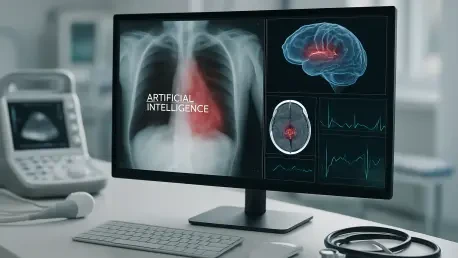

The convergence of artificial intelligence and medicine is introducing tools of unprecedented sophistication, creating a paradigm shift in how chronic conditions are managed. In the highly specialized field of nephrology, where physicians grapple with the complexities of anemia in hemodialysis patients, a new generation of clinical decision support systems (CDSS) offers a compelling proposition: to standardize care, optimize treatment protocols, and ultimately elevate patient outcomes by navigating a sea of complex clinical data. However, the integration of these AI-powered systems into daily practice is not merely a technical upgrade. It has ignited a profound and necessary dialogue within the medical community, pitting the promise of data-driven precision against the deeply ingrained value of physician experience and clinical autonomy. As these systems move from development to deployment, they challenge the very nature of medical decision-making, forcing a re-evaluation of the relationship between human expertise and machine intelligence in the high-stakes environment of patient care.
A Spectrum of Acceptance
A distinct divergence of opinion has emerged among physicians concerning the integration of this advanced CDSS into their practice. A forward-looking contingent of clinicians views the technology as a powerful co-pilot, capable of augmenting their diagnostic capabilities and refining treatment strategies. These proponents do not see the system as a substitute for their judgment but rather as a sophisticated analytical tool that can process vast datasets with a speed and precision that humans cannot match. They envision a future where AI helps uncover subtle patterns and correlations, leading to more personalized and effective anemia management plans for hemodialysis patients. For this group, embracing such technology is a logical and necessary step toward enhancing the quality of care, allowing them to focus more on the human aspects of medicine while the system handles complex data crunching, thereby optimizing the delicate balance of erythropoietin and iron therapies.
In stark contrast, a significant and vocal group of practitioners remains deeply skeptical, harboring serious doubts about the CDSS’s real-world efficacy and reliability. Their hesitation is not born from a resistance to technology itself, but from a steadfast commitment to evidence-based medicine. This group questions whether an algorithm, however complex, can truly capture the myriad of unquantifiable patient-specific variables that experienced clinicians consider instinctively. They are concerned about the potential for algorithmic bias and the lack of transparency in how the system arrives at its recommendations. Consequently, these physicians are calling for a more cautious and deliberate approach, insisting that widespread adoption must be contingent upon the publication of robust, peer-reviewed clinical trial data that unequivocally demonstrates the system’s superiority over current standards of care and validates its safety and utility in diverse patient populations.
The Sanctity of Clinical Autonomy
At the heart of the resistance to the CDSS lies a profound concern over the potential erosion of clinical autonomy, a cornerstone of the medical profession. Many physicians have voiced apprehension that an over-reliance on algorithmic guidance could devalue and eventually supplant the nuanced expertise they have cultivated over years of intensive training and direct patient interaction. The fear is that medicine could be reduced to a prescriptive, “one-size-fits-all” model, where the physician’s role shifts from that of a thoughtful decision-maker to a mere implementer of machine-generated directives. This scenario, they argue, fails to account for the intricate biological and psychosocial factors unique to each patient, which often dictate the success or failure of a treatment plan. Preserving the ability to apply individualized judgment is seen not just as a matter of professional pride, but as a fundamental component of providing compassionate and effective healthcare.
These concerns about autonomy are inextricably linked to overriding ethical and safety considerations that weigh heavily on the minds of practitioners. The delegation of critical treatment decisions to an automated system introduces complex questions of accountability and liability. Physicians are acutely aware that in the event of an algorithmic error leading to an adverse patient outcome, the ultimate responsibility would likely still rest on their shoulders. This creates a significant ethical dilemma, forcing a difficult balance between the potential benefits of technological innovation and the professional and moral obligation to “first, do no harm.” The possibility of a system misjudgment resulting in serious patient complications raises profound questions about professional liability and the legal framework needed to govern AI in medicine, highlighting a fundamental tension that must be resolved before such systems can be fully and confidently integrated into clinical practice.
Overcoming Practical and Personal Hurdles
Beyond the philosophical and ethical debates, the practical realities of daily clinical practice present a significant set of barriers to adoption. Physicians have made it clear that for a CDSS to be an asset rather than a liability, it must be designed with the end-user in mind. This means an intuitive user interface, minimal disruption to established routines, and, most critically, seamless integration with existing electronic health record (EHR) systems. A tool that is perceived as cumbersome, that requires redundant data entry, or that operates in a silo separate from the primary patient record is likely to be met with frustration and abandonment. The technology must function as an enhancement to the existing workflow, not as an additional administrative burden. Therefore, the success of any CDSS is heavily dependent on its ability to embed itself into the clinical environment in a way that feels natural, efficient, and genuinely supportive of the physician’s tasks.
Furthermore, a physician’s individual comfort level and prior experience with technology have been identified as powerful predictors of their willingness to adopt a new CDSS. The research revealed a clear correlation: clinicians who are already adept at using advanced healthcare technologies and digital tools are significantly more likely to welcome the introduction of an AI-driven system. Their previous positive experiences have fostered an understanding of how technology can augment their practice and improve efficiency. Conversely, physicians with limited exposure to such tools often exhibit greater apprehension and resistance. This hesitation is typically not a rejection of progress, but a natural response to uncertainty about how the technology will impact their professional responsibilities, alter patient interactions, and fit into a workflow they have spent years perfecting. This digital divide underscores the need for implementation strategies that are sensitive to varying levels of technological proficiency.
Forging a Path to Successful Implementation
To navigate the complex landscape of physician acceptance, the provision of comprehensive and continuous education proved to be an indispensable strategy. It became clear that demystifying the technology was the first step toward building trust and fostering adoption. Targeted training programs, hands-on workshops, and transparent informational sessions were instrumental in addressing clinicians’ concerns and building their confidence in the CDSS. These educational initiatives focused not only on the mechanics of using the system but also on the underlying principles of its algorithms, its evidence base, and its intended role as a supportive tool rather than a replacement for clinical judgment. By equipping physicians with a deeper understanding of the technology, healthcare organizations empowered them to use the system competently and to critically appraise its recommendations, thereby facilitating a more thoughtful and effective integration into their decision-making processes.
Ultimately, the successful integration of the CDSS was not an isolated technical achievement but a reflection of a supportive and collaborative organizational culture. The journey revealed that implementation thrived in environments where a team-based approach was championed. The active involvement of nurses, pharmacists, IT specialists, and administrative leaders was critical in creating a holistic support system around the new technology. This interprofessional collaboration facilitated smoother workflow adjustments and fostered a sense of shared ownership and collective responsibility for improving patient care. Institutions with strong leadership that actively advocated for evidence-based innovation and created a culture that was receptive to change saw far greater engagement and success. This underscored a vital lesson: that the adoption of transformative technology depended as much on the people and the institutional environment as it did on the sophistication of the system itself.