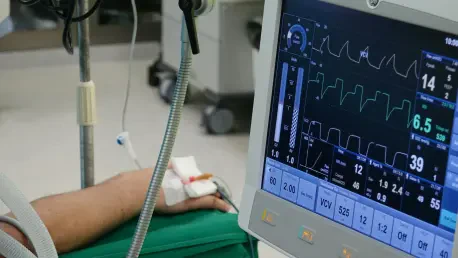

A critical yet often unseen divide exists within the walls of modern hospitals, creating two vastly different standards of care where a patient in an intensive care unit receives constant, second-by-second monitoring, while another just a few doors down in a general ward is checked only once every few hours. This disparity creates a dangerous void where a patient’s condition can quietly deteriorate, with the responsibility often falling on visiting family members to notice subtle changes and alert medical staff. This delay in detection can be the difference between a simple intervention and a medical emergency. Addressing this fundamental vulnerability in patient safety is the mission of DeepFacts, a health-tech startup founded in late 2020 by Vamsi Karatam, a technology veteran who spent a decade at IBM. The company aims to eliminate this monitoring gap by leveraging wearable technology to bring continuous, real-time surveillance to every hospital bed, transforming the standard of care outside the ICU.
Bridging the Monitoring Gap with Continuous Surveillance
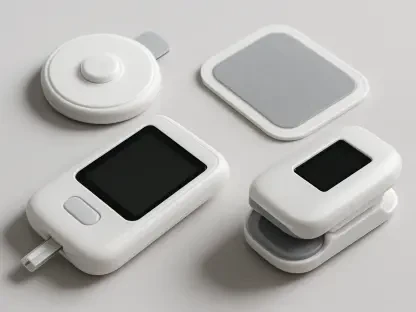
The centerpiece of this new approach is proRITHM, a sophisticated yet user-friendly system designed to function as a digital guardian for patients. The system utilizes a compact wearable device, worn discreetly on the chest, to continuously track a comprehensive array of vital signs. These include not only heart rate, temperature, and blood oxygen saturation but also respiratory rate, blood pressure, and even single-lead ECG data. This vital information is not just recorded; it is transmitted in real time to a secure cloud-based platform. From there, the data is displayed on a centralized dashboard, accessible to doctors and nursing stations, effectively creating a virtual High Dependency Unit (HDU) for any room. This constant stream of data closes the communication loop between the patient and the care team, allowing for immediate response to any adverse changes. Furthermore, because the device is wearable, it grants patients the freedom to move about, a crucial factor in recovery, without ever leaving the watchful eye of their healthcare providers.
What sets this technology apart from standard monitoring equipment is its intelligent and adaptive framework. Instead of relying on generic, one-size-fits-all ranges for vital signs, the proRITHM platform allows physicians to set personalized thresholds for each patient. This customization is critical, as a “normal” heart rate for one individual may be a sign of distress for another. By tailoring alerts to a patient’s specific condition and history, the system drastically reduces the prevalence of false alarms. This targeted approach helps combat “alarm fatigue,” a serious issue in healthcare where staff can become desensitized to frequent, non-critical alerts. The platform also integrates a predictive early warning score, which analyzes trends in a patient’s data to assign a risk level from one to seven. This proactive feature alerts medical staff to a potential decline in health before it becomes a critical event, shifting the care paradigm from reactive to preemptive and significantly enhancing patient safety.
Navigating the Path from Concept to Clinic
The journey to bring such an innovative medical device to market involves navigating a complex landscape of funding, development, and stringent regulatory approvals. DeepFacts has made significant strides, securing nearly ₹1 crore through a combination of grants and investments, with notable support from programs like NIDHI Prayas and incubators at IIT Indore. This early-stage backing was instrumental in moving the concept from blueprint to a functional prototype. The startup also gained valuable exposure and mentorship through its participation in IIT Bombay’s Atman 3.0 program, which helps burgeoning companies refine their business strategies and connect with industry leaders. This progress underscores a growing recognition within the investment and academic communities of the urgent need for technological solutions that can enhance the quality and safety of patient care in non-critical hospital settings, where the majority of patients reside.
Achieving clinical acceptance requires more than just a brilliant idea; it demands rigorous validation and adherence to international medical device standards. In this regard, proRITHM has already achieved key milestones, being classified as a Class B medical-grade device and obtaining a CDSCO test license and CE self-certification, which are crucial for market entry in several regions. However, the company has set its sights on a global standard of excellence by actively pursuing the demanding US FDA 510(k) clearance. This process involves extensive testing to prove the device is as safe and effective as existing legally marketed devices. Founder Vamsi Karatam advises other entrepreneurs in the med-tech space to embrace patience and an iterative development model. He stresses the importance of building a functional and testable product early on rather than waiting for a “perfect” version, as real-world feedback is invaluable for refining a solution that truly meets the needs of clinicians and patients.
A New Standard for Patient Safety
The successful integration of such wearable monitoring systems represented a significant step forward in hospital care. It demonstrated that the safety and vigilance once exclusive to the ICU could be extended throughout an entire facility, fundamentally altering the patient experience. The ability to continuously track vitals with personalized alerts not only prevented unforeseen medical emergencies but also empowered healthcare professionals with the data needed to make more informed, proactive decisions. This shift enhanced patient outcomes and optimized hospital workflows, as nurses could focus their attention where it was most needed, guided by intelligent data rather than a fixed schedule. The technology proved its value in creating a safer, more responsive healthcare environment.