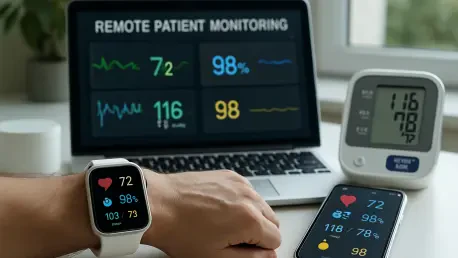

Imagine a world where a doctor can predict a patient’s heart issue before it becomes a crisis, all from miles away, thanks to a small wearable device and a smart algorithm. This isn’t science fiction but the reality of AI-driven remote patient monitoring (RPM), a technology revolutionizing healthcare delivery. As chronic diseases like diabetes and heart conditions spike and healthcare systems strain under the weight of aging populations, AI steps in as a powerful ally, enabling real-time tracking and proactive care outside hospital walls. With the market valued at USD 2.08 billion in 2024 and projected to surge to USD 14.51 billion by 2032, reflecting a compound annual growth rate (CAGR) of 27.52%, the trajectory of this industry signals a profound shift. It’s not just about numbers; it’s about transforming lives through personalized, home-based care that keeps patients healthier and reduces the burden on overstretched medical facilities.
This remarkable growth isn’t happening in a vacuum. It’s fueled by a pressing need to manage chronic illnesses more effectively, conditions that demand constant vigilance to prevent complications. AI-powered tools, leveraging machine learning and data from connected devices like smartwatches and sensors, are spotting warning signs early, often before patients even notice symptoms. The result? Timely interventions that can cut hospital readmissions, lower costs, and, most importantly, improve outcomes. Industry leaders see this pivot from reactive to preventive care as a cornerstone for building sustainable healthcare models that can handle growing patient volumes without breaking down.
Moreover, the impact extends beyond individual health conditions to broader societal challenges, particularly for the elderly. Aging populations worldwide face multiple health issues, and the ability to monitor them remotely offers a way to maintain independence while ensuring safety. This technology reduces the strain on families and healthcare facilities alike, allowing seniors to age in place with dignity. By analyzing real-time data, clinicians can act swiftly on emerging issues, preserving quality of life in ways that traditional care models often can’t match. The promise here is clear: AI in RPM isn’t just a tool; it’s a lifeline for millions.
Market Dynamics and Growth Factors
Harnessing Technology for Predictive Insights
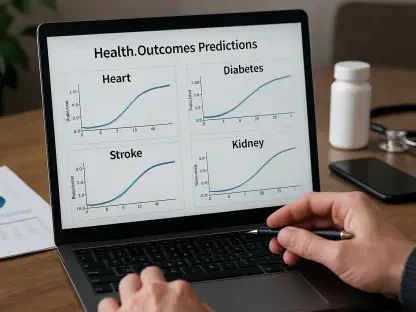
At the heart of AI’s role in remote patient monitoring lies its ability to transform raw data into life-saving predictions. By processing vast streams of real-time information from patients, AI identifies potential health risks before they escalate into emergencies, a game-changer for those with chronic conditions like heart disease or diabetes. Machine learning algorithms, paired with cloud-based platforms, sift through patterns that human eyes might miss, alerting healthcare providers to subtle changes. This predictive power isn’t just a nice-to-have; it’s becoming essential as patient numbers rise and medical staff face increasing workloads. The efficiency gained from automating routine monitoring tasks frees up clinicians to focus on complex cases, addressing a critical pain point in modern healthcare systems where time is often the scarcest resource.
Beyond prediction, the technology enhances the entire care delivery process through seamless integration. AI systems work hand-in-hand with electronic health records (EHRs), ensuring that patient data isn’t siloed but accessible across platforms for a comprehensive view of health status. This connectivity fosters collaboration among providers, from primary care doctors to specialists, creating a unified front against illness. What’s more, it allows for truly personalized care—treatments tailored to an individual’s unique needs rather than relying on broad, one-size-fits-all approaches. This shift toward customization marks a new era in medicine, where patients aren’t just numbers but individuals with distinct health journeys, driving better engagement and more effective outcomes.
Empowering Care Through Innovation
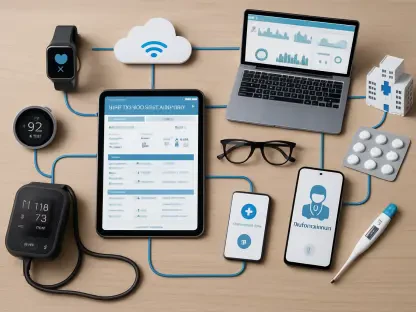
The innovation behind AI in RPM doesn’t stop at software; it extends to the hardware patients interact with daily. Wearable devices and high-accuracy sensors are becoming more sophisticated and user-friendly, empowering individuals to take an active role in managing their health. These tools, often integrated with AI, provide instant feedback on vital signs, from heart rate to blood sugar levels, making health monitoring a part of everyday life rather than a clinical chore. This democratization of health data is a powerful trend, shifting the paradigm from hospital-centric care to a model where patients and providers share responsibility, ultimately leading to better adherence to treatment plans.
Furthermore, the scalability of these innovations is what makes them so compelling for the future of healthcare. Cloud technology enables secure storage and rapid processing of patient data, allowing providers to access critical information from anywhere, at any time. This distributed approach to care delivery aligns with the broader digital transformation sweeping through the industry, moving treatment out of traditional settings and into homes. As these tools become more accessible, even underserved populations stand to benefit, provided barriers like cost and digital literacy are addressed. The potential here is enormous—AI isn’t just enhancing care; it’s redefining where and how it happens.
Policy and Regional Leadership
Catalyzing Adoption Through Government Support
Government involvement is proving to be a linchpin in the rapid rise of AI-driven remote patient monitoring. Across regions like North America, Europe, and Asia Pacific, policymakers are rolling out frameworks that encourage the adoption of digital health solutions, from favorable reimbursement models to initiatives modernizing healthcare infrastructure. These efforts aren’t just about funding; they’re about building trust in AI technologies among providers and patients alike. By prioritizing scalable remote monitoring systems, authorities aim to alleviate the pressure on hospitals, reduce readmissions, and tackle the growing burden of chronic diseases. This alignment between public policy and technological advancement is accelerating market penetration, setting the stage for broader access to cutting-edge care solutions.
In addition, the push for digital health is reshaping how providers view their role in patient management. With government-backed incentives, healthcare organizations are more willing to invest in AI tools, knowing that the financial and regulatory environment supports such innovations. This is especially critical in managing large-scale health challenges, where traditional in-person care often falls short. The focus on remote solutions also ties into global goals of reducing healthcare disparities, as policies increasingly target equitable access to technology. While challenges like varying regional regulations persist, the momentum created by these supportive frameworks is undeniable, paving the way for a more connected and responsive healthcare ecosystem.
Regional Giants Shaping the Market
The United States stands as a titan in the AI-driven RPM arena, with the market valued at USD 1.01 billion in 2024 and expected to climb to USD 6.84 billion by 2032. This dominance stems from a robust health IT infrastructure, significant investments in AI research, and a cluster of leading healthcare and tech companies driving innovation. Favorable regulations and reimbursement pathways further encourage adoption, with hospitals and telehealth firms deploying AI platforms to manage vast patient populations efficiently. The U.S. isn’t just leading North America; it’s setting a global benchmark for how integrated technology can transform care delivery, proving that infrastructure and policy can combine to create unparalleled growth.
Meanwhile, Asia Pacific is emerging as a powerhouse in its own right, fueled by massive populations and a sharp rise in chronic disease prevalence. Countries like China, India, and Japan are witnessing rapid uptake of AI-based RPM solutions, supported by expanding telehealth networks and substantial government investments in digital health. Europe isn’t far behind, benefiting from strong regulatory support that prioritizes patient safety and data security. However, regions like Latin America and the Middle East & Africa face slower progress due to infrastructure gaps and limited access. Despite these disparities, the global picture is one of dynamic growth, with each region contributing uniquely to the market’s evolution based on its strengths and challenges.
Challenges and Opportunities
Navigating Obstacles to Widespread Adoption
Even with its promise, the path to universal adoption of AI in remote patient monitoring isn’t without hurdles. Data security stands out as a major concern, given the deeply personal nature of health information being transmitted and stored digitally. Breaches can erode trust, a critical component for both patients and providers. Additionally, cybersecurity threats and a lack of standardized integration across platforms complicate interoperability, making it tough for AI systems to work smoothly within diverse healthcare environments. Varying regulatory landscapes across regions add another layer of difficulty, as providers must juggle compliance requirements that differ widely. Addressing these issues through robust safeguards and unified standards is essential to ensure the technology’s benefits aren’t overshadowed by risks.
Another pressing challenge lies in the human element of this tech-driven revolution. A shortage of AI-trained healthcare professionals, particularly in emerging markets, slows implementation, as does uneven digital literacy among patients. Without skilled staff to operate systems or patients who understand how to use monitoring devices, the technology’s impact is limited. Moreover, algorithm transparency and privacy concerns continue to spark debate, requiring ongoing dialogue between tech developers, regulators, and the public. Overcoming these barriers demands a multi-pronged approach—enhancing training programs, improving user education, and fostering trust through clear communication about how data is handled and protected.
Unlocking Potential Through Innovation
On the brighter side, the opportunities for AI in RPM are vast and exciting, offering a glimpse into a future where healthcare is more tailored and accessible. Innovations like AI-powered virtual wards, which replicate hospital-level monitoring at home, and behavioral health tracking are poised to address unmet needs, particularly in mental health—a field often neglected by traditional systems. These advancements could redefine care by focusing on holistic well-being, not just physical symptoms. As technology evolves, the integration of next-generation wearables and 5G connectivity will further enhance real-time monitoring, ensuring data flows faster and more reliably than ever before. The potential to transform patient management across settings, from hospitals to rural homes, is within reach.
Equally compelling is the chance to tackle systemic inequities through these innovations. While rural and underserved areas currently lag in access to AI-driven RPM, targeted efforts to bridge digital divides could change that narrative. Enhancing patient education and ensuring regulatory alignment across borders are vital steps to democratize this technology. Looking ahead, deeper integration of AI into healthcare workflows, coupled with advanced predictive modeling, will likely cement RPM as a cornerstone of personalized medicine. The industry stands at a pivotal moment where sustained investment and collaborative problem-solving can turn these opportunities into reality, reshaping global healthcare for the better.
Shaping the Future of Healthcare
Reflecting on the journey of AI-driven remote patient monitoring, it’s evident that this technology emerged as a transformative force that redefined healthcare delivery. By 2032, with the market having reached a projected value of USD 14.51 billion, stakeholders across the globe had witnessed how AI enhanced clinical decisions, alleviated hospital pressures, and prioritized home-based care. The growth, propelled by the rising tide of chronic diseases and groundbreaking technological strides, was complemented by forward-thinking government policies that nurtured innovation. Challenges such as data security and regulatory inconsistencies were tackled head-on through concerted efforts, ensuring trust remained at the core of adoption.
Looking back, regional leaders like the United States and Asia Pacific had set the pace, leveraging strong infrastructures and rapid digital uptake to drive progress. The broader lesson was clear: AI in RPM wasn’t a fleeting trend but a fundamental pillar of healthcare’s digital evolution. Moving forward, the focus must shift to actionable strategies—strengthening cybersecurity, expanding access in underserved regions, and investing in training for healthcare professionals. Collaborative innovation between tech developers, policymakers, and providers will be crucial to sustain this momentum. By embracing these next steps, the industry can ensure that AI-powered monitoring remains a vital tool in creating a more connected, efficient, and patient-focused healthcare landscape for generations to come.