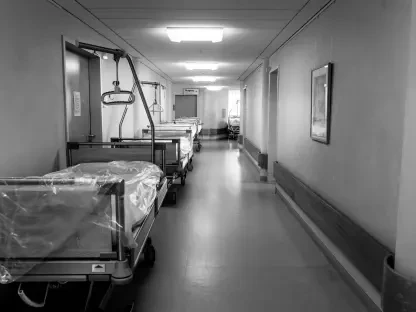

The pursuit of independence among older adults often hinges on the successful integration of specialized tools into their daily routines, yet the logistical hurdles to obtaining these items remain a significant deterrent. Durable medical equipment, commonly referred to as DME, encompasses a wide variety of essential items ranging from portable oxygen concentrators and motorized wheelchairs to hospital beds and standard walkers. While these technologies are designed to facilitate mobility and improve safety within the home, many seniors find themselves trapped in a cycle of administrative red tape and financial confusion. The paradox of the current healthcare landscape is that while the technology itself has become more advanced and accessible in 2026, the pathway to acquiring it through traditional insurance channels often feels increasingly opaque. This situation creates a barrier that prevents many from aging in place, forcing a reliance on caregivers or institutional settings that might have been avoided with the timely provision of the correct mobility or respiratory aid.
Managing Insurance Complexity and Public Stigma
Overcoming the first hurdle requires a precise understanding of the medical necessity documentation mandated by providers like Medicare, which generally necessitates a formal order from a licensed physician. Navigating this process successfully involves sourcing equipment from specific suppliers that maintain active contracts with the patient’s insurer to ensure costs are covered appropriately. Beyond the paperwork, a deep-seated psychological resistance often exists because many individuals view devices like oxygen tanks or walkers as symbols of frailty rather than tools for empowerment. Expert gerontologists emphasize that reframing these aids as proactive safety measures is essential to preventing catastrophic injuries like hip fractures or falls. By utilizing official platforms such as Medicare.gov to verify coverage and seeking secondhand supplies from community organizations when insurance is unavailable, seniors can reclaim their autonomy. The goal is to move past the misconception that using these benefits deprives others of resources, acknowledging instead that these tools are specifically engineered to foster a high quality of life.
Bridging the Clinical Training and Support Gap
A critical disconnect emerged during the delivery phase where equipment arrived at a patient’s home without the necessary technical instruction to ensure safe operation. This “delivery gap” often left users with improperly adjusted mobility aids or complex machinery they felt unable to use, which increased the risk of secondary injuries or device abandonment. To resolve these issues, families and patients turned toward professional consultations with physical and occupational therapists who provided the hands-on training that delivery drivers often lacked. These clinicians offered personalized adjustments that transformed a generic device into a tailored recovery tool, particularly for those using DME as a temporary bridge during post-surgical rehabilitation. Proactive communication with therapy teams became the standard for ensuring that oxygen concentrators or hospital beds were integrated safely into the home environment. By prioritizing education alongside acquisition, caregivers established a more sustainable framework for aging, ensuring that the technology actually fulfilled its promise of enhancing daily function and long-term stability.