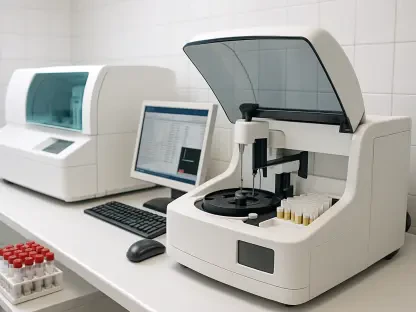

In Kenya, the heartbeat of advanced medical care rests in tertiary hospitals, yet these critical facilities are often crippled by a dire shortage of resources, outdated equipment, and chronic financial struggles that compromise patient outcomes. Picture a mother in a rural area, waiting anxiously for a diagnosis that hinges on a machine her local hospital simply doesn’t have—her hope dims with every passing hour of delay. This heartbreaking reality underscores a broader crisis in healthcare quality, one that leaves countless Kenyans vulnerable. Amid tight budgets and escalating costs, a potential game-changer has emerged: asset leasing. This innovative financing model allows hospitals to access modern medical tools without the crushing burden of upfront purchase costs. Could this be the lifeline Kenya’s healthcare system desperately needs? While the promise is tantalizing, the path forward is fraught with challenges that demand careful scrutiny.
The allure of asset leasing lies in its ability to sidestep the immediate financial barriers that so often paralyze hospital upgrades. For many public facilities, scraping together funds to buy essential equipment like MRI machines or ventilators feels like an impossible dream. Leasing offers a way to bypass that hurdle, bringing cutting-edge technology into reach and potentially transforming patient care. Imagine the impact of timely scans or life-saving treatments suddenly becoming available in under-resourced areas. However, the devil is in the details. Rolling out such a model across a diverse and uneven healthcare landscape isn’t as simple as signing a contract. Systemic issues, from regulatory gaps to regional disparities, threaten to undermine even the best intentions. Let’s dive deeper into whether this approach can truly address the root issues or if it’s merely a temporary bandage on a deeper wound.
The Promise of Asset Leasing
A Financial Lifeline for Equipment Needs
Asset leasing shines as a beacon of hope for Kenya’s tertiary hospitals, many of which are trapped in a cycle of outdated technology due to crippling financial constraints. This model lets facilities acquire state-of-the-art medical equipment without the staggering costs of outright ownership, addressing a core barrier to quality care. Think of a hospital in a remote region finally getting a diagnostic tool that slashes wait times for critical results. The ripple effect could be profound—faster diagnoses, more effective treatments, and ultimately, lives saved. By easing the burden of upfront capital, leasing opens a door to modernization that seemed permanently locked for cash-strapped institutions, particularly in the public sector. It’s a pragmatic solution in a landscape where traditional funding often falls short, promising to elevate the standard of care for countless patients who’ve long been underserved by the system.
Moreover, the potential of asset leasing extends beyond just equipment acquisition; it could catalyze a cultural shift in how hospitals approach resource management. With access to modern tools, healthcare providers might be inspired to adopt more innovative practices, pushing the boundaries of what’s possible even in resource-scarce settings. This isn’t just about replacing old machines—it’s about instilling confidence in a system that has struggled to keep pace with global standards. Better equipment could also attract skilled professionals who’ve been deterred by inadequate facilities, creating a virtuous cycle of improvement. However, this optimistic vision hinges on execution. Without parallel investments in training and maintenance, the shiny new machines risk becoming expensive paperweights. The financial lifeline is real, but it’s only the first step in a much longer journey toward sustainable healthcare quality.
Sparking Broader Modernization
Beyond filling immediate equipment gaps, asset leasing holds the potential to drive a wider overhaul of Kenya’s healthcare infrastructure. By enabling hospitals to stay current with technological advancements, this approach could significantly boost diagnostic precision and treatment outcomes, directly impacting patient health. A hospital equipped with the latest imaging technology, for instance, can catch conditions earlier, often when they’re more treatable. This isn’t merely a matter of convenience; it’s a lifeline for communities where delayed care often means dire consequences. If leveraged effectively, leasing could position tertiary hospitals as true centers of excellence, setting a benchmark for care across the country. The vision of a modernized system feels within grasp, but it demands more than just hardware to become reality.
Equally important is ensuring that the benefits of leased equipment translate into tangible results for patients. Hospitals must pair these tools with skilled staff who can operate them and robust systems to maintain them over time. Without trained personnel, even the most advanced technology loses its edge—imagine a cutting-edge surgical device sitting idle for lack of expertise. Maintenance, too, is a silent but critical factor; breakdowns can halt care just as surely as not having the equipment at all. Thus, while asset leasing can spark modernization, it’s not a standalone fix. It requires a holistic strategy that encompasses human capacity and operational readiness. Only then can this financing model fulfill its promise of transforming Kenya’s hospital landscape into one that consistently delivers high-quality care to all who need it.
Barriers to Effective Implementation
Regulatory Gaps and Unfavorable Terms
Despite the bright potential of asset leasing, a significant roadblock looms in the form of an absent regulatory framework to guide its adoption in Kenya’s healthcare sector. Without clear, standardized guidelines, hospitals often find themselves navigating a murky landscape of contracts that may not serve their best interests. Some facilities might luck into favorable deals, accessing equipment at reasonable terms, while others get saddled with exorbitant costs or restrictive conditions that drain their already limited resources. This inconsistency breeds inefficiency and frustration, as the very tool meant to elevate care quality becomes a source of financial strain. A lack of oversight also risks exploitation by leasing providers, leaving hospitals vulnerable. Until robust regulations are in place, the dream of equitable improvement through leasing remains just out of reach for many institutions.
Compounding this issue is the uneven playing field created by regulatory gaps, which often disadvantages smaller or less-connected hospitals. Tertiary facilities in urban hubs with more bargaining power might secure better contracts, while rural or underfunded public hospitals struggle to negotiate terms that align with their long-term goals. This disparity not only hampers care quality in already vulnerable areas but also erodes trust in leasing as a viable solution. The absence of a framework also means there’s little accountability for ensuring leased equipment meets safety and performance standards, posing potential risks to patients. Addressing these gaps isn’t just a bureaucratic necessity; it’s a moral imperative to ensure that asset leasing doesn’t become another mechanism that widens inequities in an already strained system. Strong policy intervention is the only way to level this terrain.
Management Challenges and Hidden Costs
Another formidable barrier to effective asset leasing lies in the limited financial and strategic expertise among hospital administrators in Kenya. Many lack the know-how to dissect complex leasing agreements or weigh their long-term implications, often leading to decisions that fail to maximize benefits. A poorly negotiated contract might seem like a win initially but could saddle a hospital with obligations it can’t sustain, derailing other critical operations. This knowledge gap also means missed opportunities to tailor leasing to specific needs, such as prioritizing equipment that addresses the most pressing local health issues. Without the acumen to navigate these waters, hospitals risk turning a potential solution into yet another burden. Capacity building through targeted training programs isn’t just helpful—it’s essential to ensure leasing delivers on its promise of enhancing care.
Then there’s the sting of hidden costs, often overlooked in the initial excitement of acquiring new equipment through leasing. Maintenance fees, insurance, and service charges can quietly accumulate, sometimes rivaling the cost of outright purchase over time. For hospitals already scraping by on thin budgets, these unexpected expenses can be a knockout blow, forcing tough choices between maintaining leased tools and funding other vital services like staff salaries or medication supplies. A thorough cost-benefit analysis before signing any agreement is non-negotiable, yet many facilities lack the resources or expertise to conduct one effectively. These hidden financial traps underscore the need for transparency and foresight in leasing arrangements. Only with meticulous planning can hospitals avoid the pitfalls that might otherwise negate the very advantages leasing is meant to provide.
Addressing Inequities and Regional Differences
Public vs. Private Hospital Disparities
A critical challenge in rolling out asset leasing across Kenya’s tertiary hospitals is the stark divide between public and private facilities, which threatens to deepen existing inequities in healthcare quality. Private hospitals, often flush with greater financial flexibility, can more easily negotiate favorable leasing terms, quickly integrating advanced technology into their services. This agility allows them to attract more patients and further boost revenue, creating a self-reinforcing cycle of improvement. In contrast, public hospitals, shackled by tighter budgets and bureaucratic delays, struggle to adopt leasing at the same pace or scale. The result is a widening gap—patients in private care access cutting-edge treatments, while those reliant on public systems are left with subpar options. This disparity isn’t just a logistical issue; it’s a profound injustice that demands urgent attention.
Bridging this divide requires deliberate policy measures to ensure public hospitals aren’t left behind in the leasing wave. Targeted subsidies or government-backed leasing programs could level the playing field, giving underfunded facilities a fighting chance to modernize. Additionally, streamlining administrative processes in the public sector could cut through the red tape that often stalls progress, enabling faster adoption of innovative financing models. Without such interventions, asset leasing risks becoming a tool that benefits only the privileged, further marginalizing vulnerable populations who rely on public healthcare. The goal must be equitable access to quality care, and that starts with recognizing that private and public hospitals don’t start from the same baseline. Tailored support for public institutions isn’t a luxury—it’s a necessity to prevent a two-tier healthcare system from becoming entrenched.
Tailoring Solutions to Local Contexts
Kenya’s diverse geography and demographics add another layer of complexity to implementing asset leasing, as a uniform approach simply won’t cut it across such varied terrain. Hospitals in remote rural areas often lack the basic infrastructure—think unreliable electricity or poor internet—to support sophisticated leased equipment, rendering even the best technology useless. Skilled personnel to operate and maintain these tools are also scarce in such regions, further limiting impact. Meanwhile, urban centers like Nairobi face different hurdles, such as overwhelming patient volumes that strain capacity, even with new equipment. These contrasting realities mean that leasing strategies must be customized to fit local conditions, rather than applied as a blanket fix. Ignoring these nuances risks wasting resources and widening regional healthcare gaps.
Crafting location-specific solutions involves more than just tweaking contract terms; it requires a deep understanding of each area’s unique challenges and strengths. For rural hospitals, pairing leasing with investments in infrastructure upgrades and staff training could ensure that new tools actually enhance care. In urban settings, leasing agreements might prioritize equipment that boosts throughput, like high-capacity diagnostic machines, to keep up with demand. Engaging local stakeholders—hospital staff, community leaders, and regional health officials—is also key to designing plans that stick. Without this tailored approach, asset leasing could easily become another well-intentioned idea that fails to deliver in practice. Ensuring that every corner of Kenya benefits from modern healthcare technology isn’t just an ambition; it’s a fundamental step toward justice in a system long marked by uneven access.
Paving the Way for Lasting Impact
Reflecting on the journey of asset leasing in Kenya’s tertiary hospitals, it became clear that while this financing model held immense potential, its rollout faced daunting obstacles. Regulatory voids had left many facilities vulnerable to exploitative contracts, while management shortcomings and hidden costs eroded initial gains. Disparities between public and private institutions, alongside regional differences, had further complicated efforts to ensure equitable benefits. Yet, amidst these struggles, the core promise of leasing—access to life-changing technology without crippling debt—remained a powerful motivator for change. The path hadn’t been easy, but the lessons learned offered a blueprint for progress.
Looking ahead, actionable steps emerged as critical to unlocking the full value of asset leasing. Developing a robust regulatory framework should top the agenda, providing clear guidelines to protect hospitals from unfavorable terms. Pairing this with comprehensive training for administrators could empower better decision-making, while subsidies for public facilities might narrow the gap with private counterparts. Tailoring strategies to regional needs would ensure no community was left behind. By committing to these reforms, stakeholders could transform leasing from a patchy experiment into a cornerstone of healthcare improvement, setting a precedent for innovative financing in resource-scarce settings worldwide.