
In the high-pressure environment of a surgical suite, where precision can mean the difference between a successful outcome and a complication, the reliability of medical equipment is paramount. The ability for a surgical team to operate with an unobstructed view is a fundamental requirement for safety and efficiency, particularly in complex procedures involving limbs. This critical need was recently addressed at the Boundary Trails Health Centre (BTHC), where the operating room has been equipped with an advanced surgical tool, thanks to the dedicated fundraising efforts of the BTHC Auxiliary. This acquisition highlights a powerful partnership between a community organization and its local healthcare provider, demonstrating how targeted philanthropic support can directly enhance the quality of patient care. The new device is not merely an upgrade but a vital component in maintaining the high standards of surgical excellence that the regional community depends on, ensuring surgeons have the best possible tools to perform their life-saving work.
Enhancing Surgical Precision With Advanced Technology
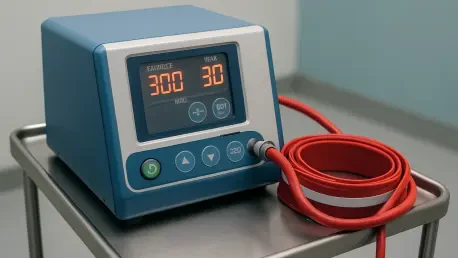
The newly acquired A.T.S. 5000 tourniquet machine represents a significant technological advancement for the BTHC’s surgical department, purchased for $16,663.47. This specialized device is indispensable for a wide range of procedures, including trauma surgery, amputations, and intricate reconstructive work. Its primary function is to temporarily and safely stop blood flow to a limb, a process known as exsanguination. By creating a bloodless surgical field, the tourniquet provides surgeons with unparalleled clarity and visibility, which is crucial for identifying delicate nerves, blood vessels, and tissues. This improved visualization directly translates to greater surgical precision, reduced risk of iatrogenic injury, and potentially shorter operating times. The A.T.S. 5000 features sophisticated safety mechanisms, such as automated pressure controls and monitoring systems, that help minimize the risk of tissue or nerve damage associated with prolonged blood flow occlusion. Its implementation ensures that BTHC can continue to offer complex limb surgeries with a high degree of safety and effectiveness.
The acquisition of the new tourniquet system underscores a broader challenge faced by healthcare facilities: the constant need to replace and upgrade medical equipment that has a finite operational lifespan. As highlighted by Auxiliary President Dawn Mackling, medical technology is perpetually evolving, and instruments that were once state-of-the-art eventually become obsolete or wear out. Relying on aging equipment can introduce operational inefficiencies, increase the potential for mechanical failure during critical procedures, and ultimately compromise the quality of patient care. Proactively replacing such devices is not just a matter of maintenance but a strategic imperative for any hospital committed to excellence. The Auxiliary’s funding addresses this need directly, enabling the Boundary Trails Health Centre to stay current with modern medical standards. This commitment ensures that the hospital can continue to provide comprehensive and high-quality services to the entire region it serves, preventing a decline in care standards that could result from technological stagnation.
The Power of Community and Strategic Philanthropy
The financial resources for vital equipment like the A.T.S. 5000 are generated through the BTHC Auxiliary’s persistent and community-focused fundraising initiatives. Led by President Dawn Mackling, the group of dedicated volunteers organizes a variety of events that have become staples within the local community, including seasonal luncheons, raffles, and silent auctions. The success of these initiatives hinges on the generous support of local businesses, organizations, and residents who contribute donations and participate in the events. This grassroots model fosters a deep connection between the hospital and the community, turning the abstract need for medical equipment into a tangible goal that people can rally behind. The volunteers’ efforts create a powerful cycle of giving, where community engagement directly translates into enhanced healthcare capabilities for everyone in the region. Their work is a testament to the profound impact that organized, volunteer-driven philanthropy can have on a critical public institution.
The Auxiliary’s funding process is a model of strategic collaboration, ensuring that donations are directed toward the hospital’s most pressing needs. The procedure begins within the Boundary Trails Health Centre, where various departments identify and compile a prioritized list of required equipment. This comprehensive request list is then submitted to the Auxiliary for review. This system ensures that the Auxiliary’s financial decisions are informed directly by the frontline medical professionals who understand the hospital’s operational needs best. For the current year, the Auxiliary has budgeted $40,000 for equipment, following a substantial contribution of $50,000 the previous year. The surgical tourniquet was the first item to be funded from the 2025 budget, reflecting its high priority. This structured and responsive allocation process maximizes the impact of every dollar raised, guaranteeing that community contributions are used efficiently to purchase equipment that will provide the greatest benefit to patient care and safety across the facility.
A Lasting Commitment to Regional Health
The successful acquisition and implementation of the A.T.S. 5000 tourniquet machine served as a powerful example of how community dedication could directly fortify a region’s healthcare infrastructure. Through carefully planned fundraising and a strategic partnership with the hospital, the BTHC Auxiliary transformed community contributions into a tangible enhancement of surgical safety and capability. This effort went beyond a simple equipment purchase; it reaffirmed the vital role that volunteer organizations played in bridging financial gaps and ensuring that medical facilities remained equipped with modern technology. The volunteers’ work ensured that surgeons at Boundary Trails Health Centre had the necessary tools to perform complex procedures effectively, which ultimately translated into better outcomes for patients throughout the area. This achievement highlighted a sustainable model of support that reinforced the hospital’s ability to deliver exceptional care for years to come.