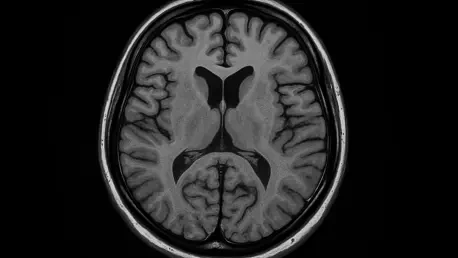
In a tragic accident that has left the medical community and public deeply reflective, a 61-year-old man from Long Island, New York, tragically lost his life after being caught in an MRI machine due to the magnetic pull on a metal necklace. This heart-wrenching incident underscores a harsh reality

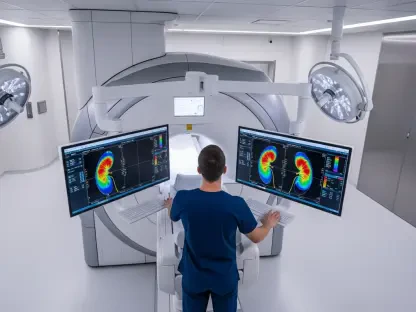
The precision oncology market is undergoing transformative developments driven by notable strategic partnerships. A profound alliance between RaySearch Laboratories AB (publ) and Radiology Oncology Systems, Inc. (ROS) is propelling this sector toward new dimensions, particularly in terms of

In an era where technology increasingly shapes the healthcare landscape, the partnership between the American College of Surgeons (ACS) and Epic's Community Registries Platform promises to redefine surgical care quality. Standing at the forefront of clinical data utilization, the ACS has
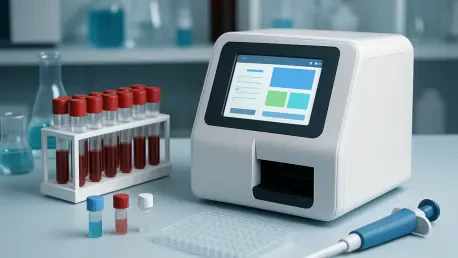
The world of in vitro diagnostics (IVD) is rapidly transforming, driven by the urgent need for accurate and timely diagnostic solutions in the healthcare sector. At the heart of this evolution lies the IVD Contract Manufacturing Services Market, a critical component in the healthcare supply chain.
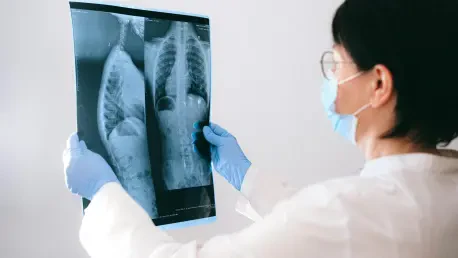
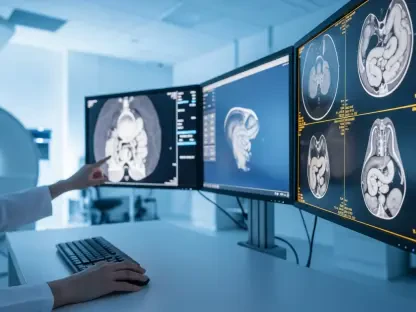
The Belgian Medical Imaging Platform (BELMIP) is leading an ambitious initiative aimed at revolutionizing radiology practices in Belgium by integrating evidence-based guidelines into clinical workflows. This effort seeks to address the increasing number of computed tomography (CT) scans performed

The journey of pancreatic cancer patient David Allard presents an extraordinary example of how innovative medical interventions can dramatically alter cancer outcomes. Initially diagnosed with stage IV pancreatic cancer, David faced a dire prognosis: less than six months to live. Refusing to accept