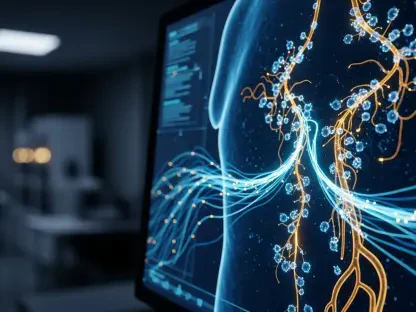

In the rapidly shifting landscape of medical imaging, RadNet Inc., listed on NASDAQ under the ticker RDNT, has captured the spotlight with a blend of financial prowess and cutting-edge advancements that few can rival. This company has not only posted remarkable second-quarter (Q2) results but has
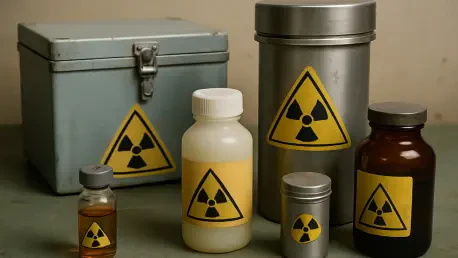
In a world where cancer continues to challenge global health systems, the role of cutting-edge technology in providing effective solutions has never been more critical, particularly through the innovative use of nuclear medicine. Medical radioisotopes, tiny yet powerful tools, are transforming the
Imagine a world where a single drop of blood could reveal the presence of life-threatening diseases like COVID-19, Ebola, or Lyme disease in just 15 minutes, all for the cost of a couple of dollars, making it an accessible and groundbreaking solution. This is not a distant dream but a tangible

Imagine a scenario where a devastating condition like Parkinson’s disease could be identified long before its debilitating symptoms—tremors, stiffness, and balance issues—begin to disrupt daily life, offering a chance for early intervention. Parkinson’s disease (PD), a progressive neurodegenerative

In the heart of Southern West Virginia, a transformative step forward in cancer care has emerged, promising to reshape the landscape of medical diagnostics for rural communities. At the Beckley Cancer Center in Beckley, a pioneering mobile PET/CT scanner has been introduced, marking a significant

In a landmark move to combat infant mortality on a global scale, the World Health Organization (WHO) has introduced pioneering guidelines aimed at transforming the diagnosis of bacterial infections in newborns. Announced on August 7, this initiative targets infants aged 0 to 59 months, with a