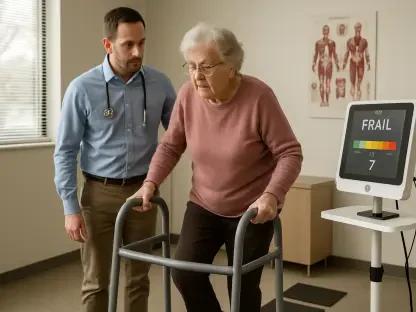

The global healthcare landscape is currently grappling with a silent crisis as osteoporotic fractures and musculoskeletal injuries continue to place an immense burden on aging populations and emergency departments alike. In response to this growing challenge, Medimaps Group S.A., a pioneer in AI-driven bone microarchitecture imaging, has entered into a definitive merger agreement with Radiobotics ApS, a specialist in artificial intelligence for musculoskeletal radiology. This strategic consolidation represents a fundamental shift in how bone health is managed, moving away from purely reactive diagnostic models toward a comprehensive, preventative care ecosystem. By combining their specialized technological portfolios, the two organizations are positioned to address the full spectrum of musculoskeletal health, from early risk detection to acute trauma management. This move is particularly timely as clinicians seek more reliable ways to handle high patient volumes while maintaining high standards of diagnostic accuracy across various clinical settings.
Bridging Diagnostic Gaps With Integrated Artificial Intelligence
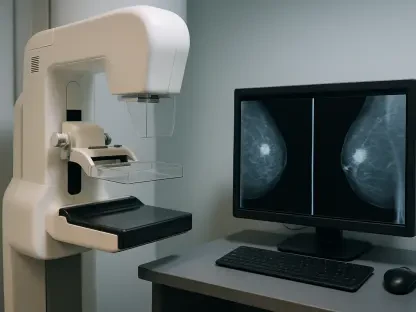
The integration of Medimaps’ expertise in bone fragility with Radiobotics’ automated trauma detection creates a unified platform that covers the most critical aspects of musculoskeletal imaging. Central to this new ecosystem are products like TBS Osteo and TBS Reveal, which provide deep insights into bone quality and fracture risk prediction by analyzing the texture of the bone microarchitecture. When these capabilities are paired with Radiobotics’ RBfracture technology, the result is a powerful diagnostic toolset that can identify both existing injuries and the underlying risk factors that might lead to future fractures. This synergy allows for a much more nuanced understanding of patient health, as it bridges the gap between traditional bone density measurements and the structural integrity of the skeleton itself. By leveraging advanced machine learning algorithms, the combined entity ensures that subtle changes in bone structure are detected long before they manifest as debilitating injuries.
Beyond the clinical capabilities of the individual software components, the merger prioritizes the seamless integration of these tools into existing hospital and clinic infrastructures. By utilizing Picture Archiving and Communication Systems (PACS) enabled capabilities, the new organization ensures that its AI solutions are available directly within the radiologist’s current digital workspace. This approach transforms standard X-rays and Dual-energy X-ray Absorptiometry (DXA) scans into dual-purpose tools, allowing healthcare providers to extract maximum diagnostic value from a single patient encounter. Instead of requiring separate, time-consuming procedures, clinicians can now perform immediate fracture detection and long-term risk assessment simultaneously. This level of workflow optimization is essential for modern medical facilities that face significant staffing constraints and high trauma volumes, as it reduces the cognitive load on radiologists while increasing the speed and consistency of every assessment.
Expanding Global Access to Precise Musculoskeletal Care
From a commercial and operational standpoint, this merger significantly enhances the group’s ability to serve a diverse range of international markets through an established and robust distribution network. With a strong presence in over 90 countries, including a substantial footprint in the United States, the newly formed entity is well-equipped to deploy its musculoskeletal ecosystem on a global scale. The leadership team, comprised of seasoned executives from both Medimaps and Radiobotics, is tasked with maintaining scientific rigor while driving rapid growth in high-demand regions. This collaborative structure ensures that the core expertise of both companies is preserved, allowing the organization to navigate complex regulatory environments while continuing to innovate. By consolidating their commercial reaches, the companies can now offer a more comprehensive value proposition to large hospital systems and specialized orthopedic clinics that require scalable, AI-driven solutions to manage their diagnostic pipelines.
The strategic alignment of these two leaders in the field successfully established a dominant force in bone health, ensuring that expert-level musculoskeletal imaging became accessible regardless of local infrastructure limitations. By providing a single, trusted platform for both predictive analysis and trauma detection, the organization empowered clinicians to make evidence-based decisions that significantly improved patient outcomes. Looking ahead, the focus shifted toward further refining the AI algorithms to include more diverse demographic data and expanding the scope of automated diagnostics to other joint-related pathologies. Facilities that adopted this ecosystem early on realized measurable gains in operational efficiency and a marked reduction in missed diagnoses. Future considerations for healthcare administrators should include the rapid integration of such unified AI platforms to mitigate the long-term costs associated with untreated bone fragility and to streamline emergency department workflows.