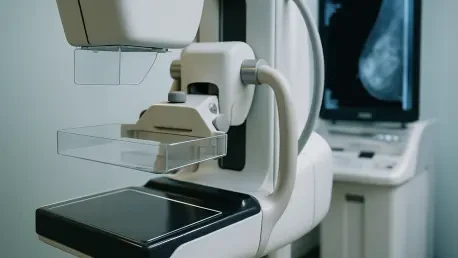

For the millions of individuals who have successfully navigated breast cancer treatment, the journey toward long-term health is paved with vigilant surveillance, a critical component of which is routine imaging to detect any potential recurrence. A comprehensive systematic review and meta-analysis from 2026 offers a detailed look into the effectiveness of these surveillance methods, revealing a complex picture where the standard approach, mammography, is both a lifesaver and a tool with significant limitations in this specific population. While its role in reducing mortality is undisputed, the physical aftermath of surgery and radiation creates unique diagnostic challenges. This analysis brings to light the critical need to reconsider whether mammography alone is sufficient and explores the potential of a more nuanced, multi-modal imaging strategy to ensure survivors receive the most effective long-term care possible, balancing the benefits of early detection with the complexities of post-treatment anatomy.
The Limitations of Standard Surveillance
A central finding from the extensive analysis, which synthesized data from 18 distinct studies, is the quantifiable reduction in mammography’s diagnostic accuracy for cancer survivors compared to the general population. The data revealed a pooled accuracy rate of 76%, with a sensitivity of 81% and a specificity of 71%. These figures are diminished primarily due to the physiological changes resulting from treatment. Surgical scarring and architectural distortion caused by radiation therapy can create dense, complex tissue patterns on a mammogram that may either mask small, developing lesions or be misinterpreted as suspicious findings, leading to false positives. Despite these diagnostic hurdles, the review strongly reaffirmed the fundamental value of routine mammographic surveillance. The evidence pointed to a remarkable 50% reduction in mortality risk for survivors who consistently underwent imaging compared to those who did not, underscoring that even with its compromised precision, mammography remains an indispensable cornerstone of post-treatment care.
Enhancing Detection with Advanced Imaging
To address the diagnostic gaps left by mammography, the research highlights the significant benefits of incorporating adjunct imaging modalities into surveillance protocols for survivors. Magnetic resonance imaging (MRI), in particular, emerged as a markedly superior tool for this patient group. The meta-analysis demonstrated that MRI achieved a higher sensitivity of 91% and a greater specificity of 82%, outperforming both mammography and ultrasonography. This enhanced performance is attributed to MRI’s ability to provide detailed, multi-planar images of soft tissues and its use of contrast agents to highlight areas of increased blood flow, which can be indicative of malignancy. By offering a clearer view of breast tissue, unhindered by the scarring and distortion that can confound mammograms, MRI can more reliably detect recurrent tumors at an early stage. This suggests that a strategic integration of advanced imaging could provide a more robust safety net for survivors, catching recurrences that might otherwise be missed by standard screening methods alone.
A Path Forward in Post-Treatment Care
The comprehensive review ultimately suggested a clear direction for refining post-treatment care, emphasizing the need for standardized surveillance protocols that are tailored to the unique risks and anatomical changes present in cancer survivors. Acknowledging the limitations of the analyzed studies, including high heterogeneity and a primary focus on high-income countries, the findings highlighted the importance of developing more globally applicable guidelines. The integration of artificial intelligence emerged as a promising avenue for innovation. AI-driven image processing algorithms have the potential to significantly enhance the sensitivity and specificity of mammography by learning to distinguish between benign post-treatment changes and true malignancies. By augmenting the radiologist’s interpretation, such technology could help overcome the current diagnostic challenges, leading to more accurate and timely detection. This forward-looking perspective framed a future where personalized surveillance strategies, powered by advanced imaging and intelligent technology, became the standard of care for all breast cancer survivors.