
India has formally pivoted its national economic strategy toward a sophisticated bio-driven paradigm by integrating biotechnology into the core of its industrial and environmental growth sectors. The Union Minister of State, Jitendra Singh, recently detailed this transformative framework at the BRIC-Rajiv Gandhi Centre for Biotechnology in Thiruvananthapuram, emphasizing that the BioE3 Policy—standing for Biotechnology for Economy, Environment, and Employment—will serve as the bedrock for the country’s high-performance biomanufacturing goals from 2026 and beyond. This initiative represents more than just a regulatory shift; it is a comprehensive overhaul designed to foster a circular economy while addressing pressing health and climate challenges. Central to this vision is the Biopharma SHAKTI Mission, which aims to streamline the development of advanced therapeutics and sustainable materials. By aligning national R&D institutions with private sector agility, the government intends to catalyze a new era of green growth that leverages biological systems to create high-value products across various industries. This strategic pivot ensures that the nation remains competitive as global markets shift toward sustainable, bio-based manufacturing solutions.
Bridging the Gap: Infrastructure and Interdisciplinary Research
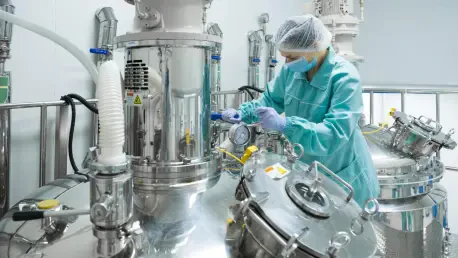
To support these ambitious policy objectives, the government has prioritized the development of cutting-edge infrastructure, exemplified by the new foundation for a current Good Manufacturing Practice facility at the RGCB Akkulam campus. This state-of-the-art center is specifically designed to pioneer cost-effective models for cell and gene therapies, ensuring that advanced medical treatments are accessible and scalable for the general population. Beyond physical structures, the strategy encourages a radical shift toward interdisciplinary research, particularly in the burgeoning field of nuclear medicine, which has seen significant liberalization in recent months. Researchers are now being pushed to move beyond theoretical science into translational applications, effectively bridging the gap between laboratory discoveries and practical patient care. This integration is further bolstered by the National Facility for Recombinant Cells and Sensors, which provides a global resource of stable cell lines for oncology research. By providing researchers with these sophisticated tools, the administration is fostering an environment where innovation is directly tied to industrial manufacturing capabilities, thereby reducing the time it takes for breakthrough discoveries to reach the marketplace.
Future Perspectives: Establishing a Resilient Biomanufacturing Ecosystem
Stakeholders realized that the long-term success of the BioE3 framework depended on the seamless integration of data-driven research across six thematic sectors. Experts, including DBT Secretary Rajesh Gokhale, recognized that utilizing high-quality clinical data, such as HPV vaccination trends, allowed for more precise interventions in public health. The policy established a clear roadmap for private-sector partnerships, urging companies to invest in green economic transitions that synchronized with national sustainability goals. Strategic investments in bio-foundries and specialized manufacturing hubs provided the necessary scaling mechanism for startups to transition from prototype to mass production. Furthermore, the government implemented rigorous standards for biosafety and ethical research to maintain international credibility. This systemic approach ensured that the biomanufacturing ecosystem remained resilient against global supply chain fluctuations while driving innovation in synthetic biology. Moving forward, the focus shifted to expanding these specialized facilities to regional tech clusters, thereby decentralizing high-tech manufacturing and creating a nationwide network of bio-innovation centers. These steps solidified the foundation for a self-reliant bio-economy that balanced industrial output with environmental stewardship.