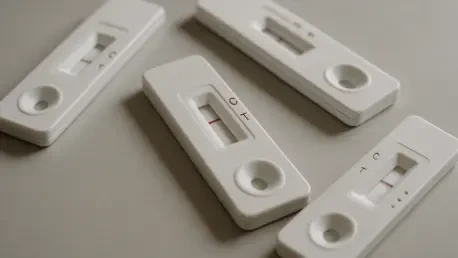

The persistent challenge of antibiotic overprescribing for upper respiratory infections has long been a focal point in the global fight against antimicrobial resistance, often leaving primary care clinicians in a difficult position between patient expectations and best practices. A qualitative study presented at IDWeek 2025 offers a crucial look into the real-world perspectives of frontline healthcare workers on a promising new tool: rapid, PCR-based point-of-care (POC) tests for respiratory pathogens. Research led by Dr. Lauren Dutcher of the University of Pennsylvania Perelman School of Medicine explored how this technology might be integrated into clinical practice, revealing a landscape of both significant enthusiasm and practical apprehension. The study, which gathered insights from 47 clinicians and staff members across five primary care facilities in Pennsylvania and New Jersey, provides a vital roadmap for understanding the human and operational factors that will ultimately determine the success of these advanced diagnostic tools in community settings, where the vast majority of antibiotic decisions are made.
A Powerful Ally for Stewardship and Patient Trust
The consensus among study participants was overwhelmingly positive regarding the potential clinical impact of rapid respiratory testing, with the most celebrated benefit being its ability to bolster antibiotic stewardship efforts. Clinicians envisioned these tests as a powerful tool to confidently deny unnecessary antibiotic prescriptions, which are frequently dispensed for viral illnesses due to diagnostic uncertainty and patient pressure. By providing a definitive viral diagnosis within minutes, practitioners felt they would be better equipped to educate patients and manage their expectations effectively. This, in turn, was expected to significantly increase patient satisfaction. The ability to offer a clear, evidence-based explanation for a treatment plan—or lack thereof—was seen as a way to strengthen the patient-provider relationship and improve communication. Participants with prior experience using similar rapid diagnostic technologies, such as those for influenza or strep throat, were the most optimistic, indicating that familiarity with the concept is a strong facilitator for adoption.
The Practical Hurdles of Implementation
Despite the widespread agreement on the clinical advantages, the path to implementing these advanced POC tests is fraught with significant logistical challenges, according to the study’s participants. The primary source of concern revolved around the disruption of established clinic workflows. Questions about who would be responsible for administering the test, from medical assistants to nurses, and how the additional steps would fit into a tight patient schedule were paramount. Furthermore, integrating the results into electronic health records in a timely and efficient manner was cited as a major hurdle. Beyond the operational logistics, clinicians also voiced concerns about the fundamental reliability of the tests themselves. For these tools to be effective, they must demonstrate high sensitivity and specificity; any doubt regarding the accuracy of the results could undermine their utility and lead to a lack of trust. In essence, the success of respiratory POC testing in primary care hinges less on its theoretical benefits and more on solving these critical, real-world operational puzzles.
A Blueprint for Successful Integration
The comprehensive feedback gathered from clinicians and staff underscored a critical reality: the clinical appeal of a new technology was not enough to guarantee its successful adoption. The study highlighted that for rapid respiratory diagnostics to make a meaningful impact on antibiotic prescribing and patient care, a proactive and collaborative approach to implementation was essential. The concerns raised about workflow, staffing responsibilities, and data management served as a clear blueprint for healthcare administrators and technology developers. It became evident that successful integration required more than just delivering a new device; it necessitated the co-design of streamlined clinical pathways, targeted staff training, and seamless digital integration. The research ultimately demonstrated that addressing these operational hurdles head-on was the most important step toward unlocking the full potential of this promising diagnostic technology.