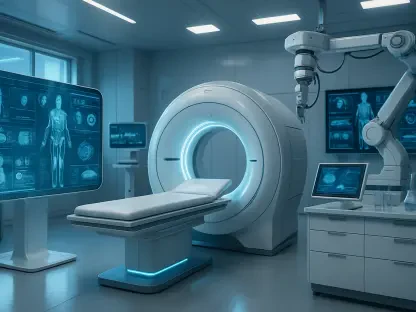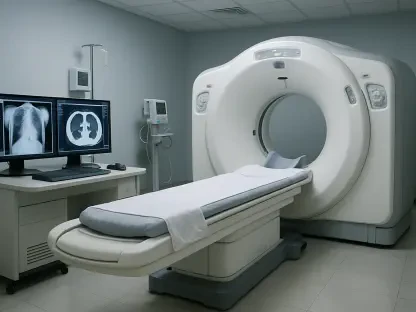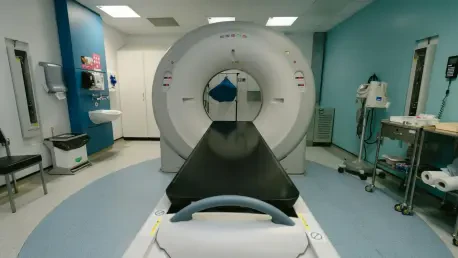

Imagine a world where a single scan, initially designed to track cancer progression, could also uncover hidden heart risks, potentially saving countless lives without added tests or costs. This isn’t a far-off dream but a reality being shaped by cutting-edge research in nuclear medicine. For cancer patients, especially the elderly, the journey often focuses solely on battling tumors, while cardiovascular health slips under the radar. Yet, heart complications can be just as life-threatening if ignored. Recent advancements, driven by innovative minds in the medical field, are now leveraging Positron Emission Tomography-Computed Tomography (PET-CT) imaging to address this gap. This dual-purpose approach not only streamlines care but also opens a new frontier in personalized medicine. By rethinking how existing technology is used, specialists are finding ways to protect patients from multiple threats at once, blending cancer treatment with proactive heart risk assessment in a seamless, cost-effective manner.
Revolutionizing Risk Assessment with PET-CT
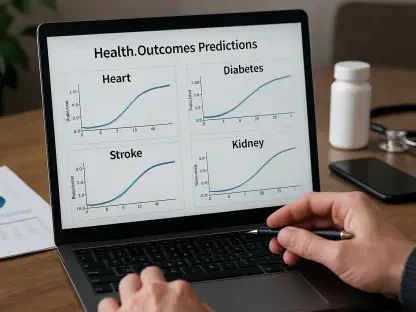
The game-changer in this narrative comes from pioneering research that transforms PET-CT scans into a tool for more than just cancer monitoring. By carefully analyzing coronary calcification visible in these scans, medical professionals can now categorize cardiovascular risks into distinct levels—mild, moderate, or severe. This breakthrough is a lifeline for older cancer patients who might otherwise miss separate heart evaluations due to time, cost, or oversight during intensive cancer care. Instead of requiring additional equipment, this method taps into images already captured during routine scans, making it a practical solution for busy clinical settings. Moreover, it highlights a shift toward integrated health strategies where one test serves multiple purposes. Such an approach reduces patient burden while empowering doctors to craft comprehensive treatment plans. As a result, the potential for early intervention in heart-related issues grows significantly, ensuring that a cancer diagnosis doesn’t overshadow other critical health needs that could derail recovery if left unchecked.
A Broader Vision for Integrated Patient Care
Beyond the immediate impact on risk prediction, this innovation reflects a larger trend of merging technology with tailored healthcare. The medical community increasingly agrees on the importance of holistic assessments, especially for vulnerable groups juggling multiple conditions. This PET-CT application stands as a prime example of how creativity can repurpose existing tools to tackle pressing challenges without inflating costs. It also sets a precedent for future studies, encouraging researchers to look at familiar technologies through fresh lenses. Additionally, the leadership behind this work extends to broader contributions in nuclear medicine, including advancements in AI-driven imaging and digital scan techniques, which further enhance diagnostic precision. Looking back, the strides made in marrying cancer care with cardiovascular vigilance through such methods proved transformative. They offered a blueprint for preventing complications in aging patients, ensuring that treatment paths addressed the full spectrum of health risks with insight and care. The next step lies in scaling these findings, refining systems, and inspiring global adoption to redefine patient outcomes for generations to come.