
Picture a reality where millions of women no longer endure nearly a decade of pain and uncertainty before receiving a diagnosis for a condition as debilitating as endometriosis. In Canada, this vision is inching closer to fruition with the pioneering adoption of the ENDOSURE diagnostic test at CReATe Fertility in London, Ontario. Announced late in November, this milestone marks the first permanent integration of ENDOSURE in North America, offering a glimmer of hope for a faster, less invasive way to detect a condition often masked by ambiguous symptoms and confirmed only through risky surgeries. For countless individuals, the journey to answers has been fraught with frustration, delayed care, and invasive procedures that carry both physical and financial burdens. ENDOSURE, a non-invasive 30-minute test, promises to upend this status quo, potentially slashing diagnostic timelines and easing patient suffering. This article delves into whether this innovative tool can truly transform the landscape of endometriosis diagnosis across Canada, exploring the challenges it addresses and the future it might herald.
Unraveling the Endometriosis Diagnostic Dilemma
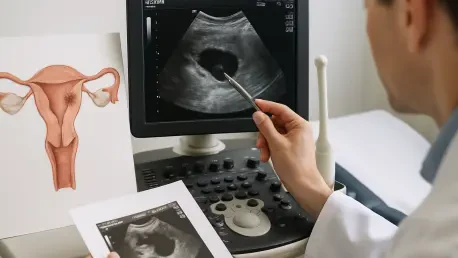
Endometriosis, a chronic condition where tissue akin to the uterine lining grows outside the uterus, inflicts severe pain, infertility, and a host of other complications on millions globally. Yet, the path to diagnosis remains a torturous odyssey, averaging a staggering 8.6 years worldwide. Conventional approaches lean heavily on imaging techniques such as ultrasound or MRI, which often fail to detect subtle or superficial lesions, leaving many cases undiagnosed. The gold standard, laparoscopic surgery, while definitive, comes with steep costs, significant risks, and physical discomfort, deterring patients and straining healthcare systems. This prolonged delay in identifying the condition exacerbates suffering, delaying critical interventions and diminishing quality of life for those affected. The urgent need for a more efficient, less invasive diagnostic method has never been clearer, as countless women continue to grapple with unanswered questions about their health.
Moreover, the psychological toll of this diagnostic lag cannot be overstated. Living with chronic pain or unexplained infertility without a clear cause fosters anxiety, frustration, and a sense of helplessness among patients. Many endure multiple doctor visits, dismissed symptoms, and inconclusive tests before even approaching a definitive diagnosis through surgery. Beyond the individual impact, these delays burden healthcare resources with repeated consultations and unnecessary procedures. The ripple effects touch families, workplaces, and communities, as affected individuals struggle to maintain normalcy amidst debilitating symptoms. A solution that bridges this gap—offering speed, accuracy, and accessibility—could not only alleviate personal hardship but also ease systemic pressures. As the conversation shifts toward innovation in women’s health, the stage is set for exploring whether a tool like ENDOSURE can meet these pressing needs.
Breaking Ground with ENDOSURE Technology
At the forefront of this potential revolution stands ENDOSURE, a Tier 1 diagnostic test now permanently implemented at CReATe Fertility, making it the first clinic in Canada to adopt this cutting-edge approach. Unlike the invasive nature of traditional surgical diagnostics, ENDOSURE offers a breath of fresh air with its non-invasive, 30-minute process conducted in a single patient visit. Utilizing electroviscerography (EVG) technology, it detects unique gastrointestinal myoelectrical activity patterns associated with endometriosis, providing clinicians with objective data without the need for anesthesia or incisions. Clinical studies have shown its accuracy hovering near an impressive 95% in sensitivity and specificity, rivaling even the most established methods. This positions ENDOSURE not just as an alternative, but as a potential game-changer in how endometriosis is identified and managed in clinical settings.
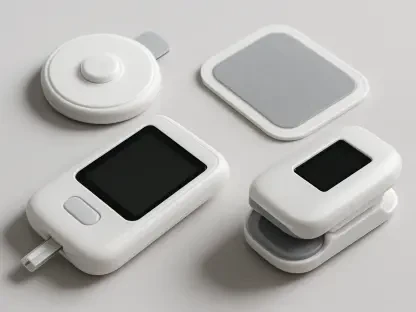
Building on this promise, the simplicity and safety of ENDOSURE further enhance its appeal. The test involves placing sensors on the abdomen to record activity before and after a controlled water intake, capturing distinct patterns in mere minutes. This eliminates the dread of surgical recovery or complications, making it suitable for patients across various age groups and health conditions. Additionally, its authorization as a non-active medical device by Health Canada underscores a high safety profile, paving the way for broader adoption in diverse healthcare environments. While it serves as a clinical decision support tool rather than a standalone solution, its ability to complement existing methods like imaging offers a more holistic diagnostic framework. The question remains whether this innovation can scale to meet the widespread demand for better endometriosis care across the nation.
A Beacon of Hope at CReATe Fertility
Driving this transformative shift is the visionary leadership at CReATe Fertility, spearheaded by Dr. John McNaught, an OB/GYN deeply committed to advancing women’s health. His resolve to shorten diagnostic timelines and spare patients the ordeal of unnecessary surgeries reflects a profound dedication to improving lives. By integrating ENDOSURE into routine practice, Dr. McNaught prioritizes patient comfort and timely answers, particularly for those battling chronic pain or infertility linked to endometriosis. This patient-first philosophy not only addresses immediate diagnostic needs but also sets a precedent for compassionate care, potentially inspiring other clinics to follow suit. The adoption of such technology at CReATe Fertility signals a shift toward modern, empathetic healthcare delivery in Canada, challenging outdated norms with every test conducted.
Furthermore, the impact of this leadership extends beyond individual patient experiences to influence broader medical practices. Dr. McNaught’s initiative serves as a model for how specialized clinics can champion innovative tools to tackle long-standing health challenges. His focus on reducing barriers—whether emotional, physical, or financial—aligns with a growing call for equity in women’s healthcare. Patients who once faced daunting surgical prospects now have access to a less intimidating option, fostering trust in medical processes. As word spreads about this pioneering effort, there’s potential for a ripple effect, encouraging other practitioners to explore similar technologies. The leadership at CReATe Fertility isn’t just changing how endometriosis is diagnosed; it’s reshaping expectations for what patient care should look like in the 21st century.
EndoDiagnosis: Spearheading a Diagnostic Evolution
Behind the rollout of ENDOSURE stands EndoDiagnosis, a Canadian distributor determined to redefine standards in medical diagnostics for women’s health. Under the guidance of CEO Maria Porcellato and COO Carolyn Plican, the company champions rapid, reliable testing as the future of care. Their collaboration with CReATe Fertility represents an initial step in a larger mission to expand ENDOSURE’s reach across Canada through strategic partnerships and certified training for healthcare providers. This commitment to accessibility aims to diminish the uncertainty that plagues both patients and clinicians, replacing guesswork with concrete data. By advocating for widespread adoption, EndoDiagnosis is laying the groundwork for a diagnostic evolution, one that could eventually position rapid testing as the norm rather than the exception in managing endometriosis.
Additionally, the broader implications of EndoDiagnosis’s efforts highlight a pivotal shift in healthcare priorities. Their emphasis on equipping clinics with innovative tools through education and support addresses systemic gaps in awareness and expertise surrounding endometriosis. This proactive approach ensures that the technology doesn’t remain confined to a few early adopters but becomes a staple in community and fertility clinics alike. The result could be a more informed medical community, better prepared to handle the complexities of this condition. As EndoDiagnosis pushes forward, their vision of reducing diagnostic delays resonates with a growing consensus in the healthcare sector that technology must play a central role in improving outcomes. Their work underscores a critical truth: innovation is only as powerful as its reach, and their mission is to extend that reach as far as possible.
Envisioning a New Era for Women’s Health
The integration of ENDOSURE at CReATe Fertility mirrors a larger movement in women’s health toward solutions that prioritize patient comfort and efficiency. This technology-driven approach offers a quicker, more affordable diagnostic option, directly addressing barriers like high costs and limited access that have long hindered timely care. Early detection through ENDOSURE could mean the difference between years of suffering and prompt intervention, enabling personalized treatment plans tailored to individual needs. Moreover, it reduces the reliance on invasive surgeries, preserving both physical well-being and financial resources for patients. As more clinics take note of this advancement, the potential emerges for a future where no woman endures prolonged uncertainty about her health, marking a significant step forward for equity in medical care across Canada.
Looking ahead, the momentum behind ENDOSURE suggests a transformative horizon for managing endometriosis. The test’s high accuracy and non-invasive nature laid a foundation for hope among those who had faced daunting diagnostic hurdles. Reflecting on this milestone, it became evident that partnerships between innovative companies and dedicated clinics had sparked a shift toward more humane, efficient healthcare. The next steps involved expanding access, ensuring that rural and urban centers alike could benefit from this breakthrough. Continued collaboration, increased awareness, and ongoing clinical validation were deemed essential to cement ENDOSURE’s role in routine practice. Ultimately, the strides made through this initiative offered a blueprint for global progress in women’s health, proving that with the right tools and resolve, even the most persistent medical challenges could be met with lasting solutions.