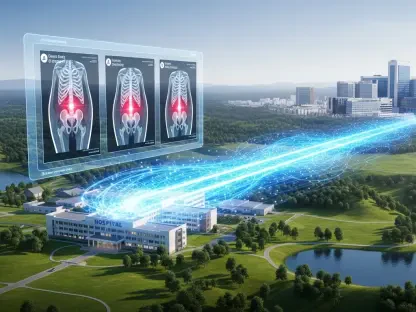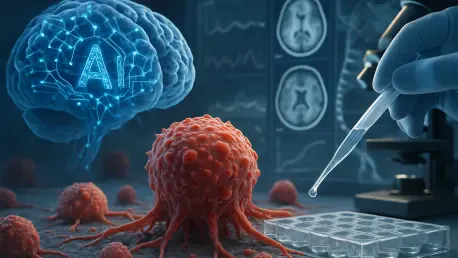

A groundbreaking collaboration between Siemens Healthineers and Mayo Clinic is poised to dramatically reshape the future of healthcare by integrating sophisticated artificial intelligence and advanced imaging technologies directly into clinical practice, targeting some of the most complex and devastating medical conditions known today. This expanded strategic partnership aims to accelerate the development and deployment of innovative solutions designed to improve the diagnosis and treatment of neurodegenerative diseases, prostate cancer, and metastatic liver tumors. By focusing on making care more precise, less invasive, and highly personalized, this alliance represents a significant step forward in the fight against these challenging diseases, promising to enhance patient outcomes and redefine the standards of medical intervention. The core of the initiative lies in harnessing the power of data and AI to unlock new insights and therapeutic pathways that were previously beyond the reach of conventional medicine, setting a new benchmark for patient-centric innovation.
A Strategic Alliance to Reshape Patient Care
Pioneering Neurological Diagnostics
The collaboration is set to make profound strides in neurology by developing and implementing artificial intelligence-enabled MRI protocols specifically for neurodegenerative diseases. These advanced algorithms will be designed to analyze complex brain scans with a level of detail and speed that surpasses human capability, identifying subtle structural and functional changes that often signal the early onset of conditions like Alzheimer’s or Parkinson’s disease. The goal is to move beyond simple diagnosis and create a dynamic monitoring system that tracks disease progression over time, allowing for more timely and effective therapeutic interventions. This AI-driven approach will not only enhance diagnostic accuracy but also help clinicians tailor treatments to the unique trajectory of each patient’s illness. By automating a significant portion of the image analysis, the technology will free up neurologists and radiologists to focus on complex clinical decision-making, ultimately improving the efficiency and quality of care delivered to a vulnerable patient population.
Further cementing its commitment to neurological innovation, the partnership is establishing a dedicated ultra-high-field MRI innovation center. This facility will house state-of-the-art imaging technology capable of producing images with unprecedented resolution and contrast, offering a window into the brain’s intricate architecture. For patients with complex neurological conditions, this translates into more precise diagnostic capabilities and meticulously detailed roadmaps for surgical planning. Neurosurgeons will be able to visualize critical neural pathways and pathological tissues with exceptional clarity, minimizing risks and improving the outcomes of delicate procedures. Beyond its immediate clinical applications, this center will serve as a powerful research hub, enabling scientists to explore the fundamental mechanisms of brain diseases and test novel therapeutic strategies. The enhanced imaging power of ultra-high-field MRI is expected to accelerate discoveries, leading to new biomarkers and a deeper understanding of the brain in both health and disease.
Transforming the Landscape of Oncology
In the realm of oncology, the partnership is aggressively pursuing methods to make cancer care more precise and significantly less burdensome for patients, with a particular focus on prostate cancer. A key objective is to leverage artificial intelligence to analyze advanced imaging data, potentially reducing the need for invasive and often uncomfortable biopsies. By training AI models to recognize the subtle signatures of clinically significant tumors from MRI and other scans, clinicians could more accurately stratify patients by risk, reserving biopsies for cases where they are absolutely necessary. This approach not only enhances patient comfort but also minimizes the risks associated with invasive procedures, such as infection and bleeding. Furthermore, the initiative will explore the integration of minimally invasive imaging technologies directly into therapeutic procedures, enabling real-time guidance for targeted treatments like focal therapy, which aims to destroy cancerous tissue while preserving healthy surrounding structures.
The collaboration is also tackling the significant challenge of treating liver metastases through the creation of advanced, image-guided interventional suites. These cutting-edge facilities will be designed to facilitate the precise detection and treatment of tumors that have spread to the liver, employing minimally invasive techniques that offer faster recovery times and fewer side effects compared to traditional surgery. To further enhance treatment planning, a whole-body PET/CT and PET/MR innovation center will be established, with a strong emphasis on theranostics. This integrated approach combines diagnostic imaging with targeted radionuclide therapy, allowing clinicians to not only visualize cancer cells anywhere in the body but also deliver a therapeutic agent directly to them. By using the same molecular target for both imaging and treatment, theranostics ensures that therapy is directed only to the cancer cells, maximizing efficacy while sparing healthy tissue and enabling a truly personalized treatment strategy.
Charting a New Course for Surgical and Therapeutic Frontiers
Reimagining the Surgical Pathway
Beyond disease-specific applications, the collaboration is set to revolutionize the entire surgical care pathway through the innovative application of digital twin technologies. This ambitious initiative aims to create a virtual, dynamic replica of a patient’s anatomy and physiology, allowing surgical teams to simulate complex procedures before ever making an incision. By using this digital model, surgeons can test different approaches, anticipate potential complications, and optimize their surgical plan for each individual’s unique anatomy, significantly enhancing precision and safety. The digital twin can also be used to improve operational efficiency within the hospital, from scheduling operating rooms to managing instrument sterilization and patient flow. This holistic reimagining of the surgical experience is designed to enhance patient care from pre-operative planning to post-operative recovery, ensuring a smoother, safer, and more effective journey for every patient undergoing surgery.
A Unified Vision for the Future of Medicine
The initiatives launched through this expanded partnership were guided by a shared, patient-centric vision articulated by leaders from both organizations. The core objective was to harness technology not for its own sake, but to make healthcare more responsive, precise, and less invasive for every individual. This meant pursuing innovations that could lead to earlier and more accurate diagnoses, enabling treatments to begin when they are most effective. It also involved developing personalized therapeutic strategies that considered each patient’s unique biological makeup and disease characteristics, moving away from a one-size-fits-all approach. By tackling some of the most formidable diseases with a combination of advanced imaging, artificial intelligence, and a deep commitment to clinical excellence, the collaboration has laid a foundation that aimed to fundamentally extend both the quantity and quality of patients’ lives through tangible medical breakthroughs.