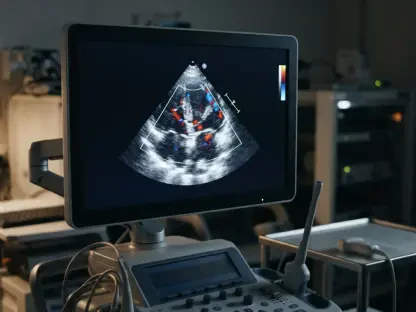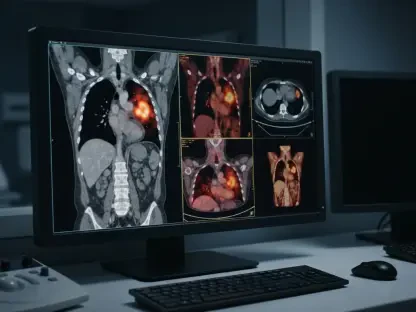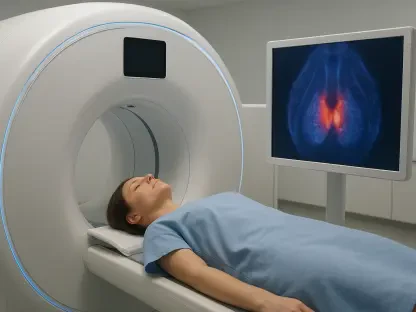
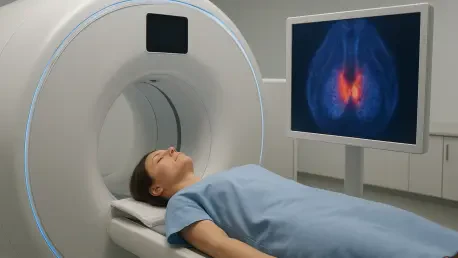
The diagnosis of metastatic medullary thyroid carcinoma is frequently hindered by the high physiological background activity of liver tissue in standard 18F-DOPA scans. This specific challenge is particularly problematic for patients with medullary thyroid carcinoma (MTC), a rare neuroendocrine

Research indicates that the willingness of a radiographer to correct a senior colleague is a prerequisite for maintaining the accuracy and safety of diagnostic procedures. This observation, emphasized in a major 2026 study published in Frontiers in Health Services, highlights a paradigm shift in

To maintain patient confidentiality during remote reviews, healthcare facilities must implement rigorous access controls and comprehensive digital audit trails for every electronic record. The National Medical Commission (NMC) recently released a pivotal advisory that fundamentally shifts how

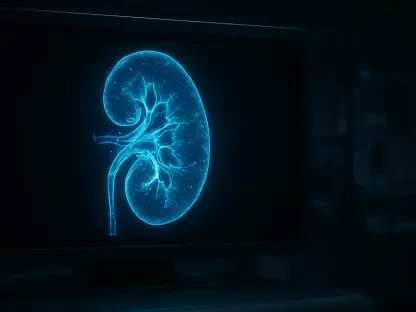
New research shows that the patient-level diagnostic accuracy for clear cell renal cell carcinoma reached ninety-eight percent when using CAIX-targeted molecular imaging. This finding represents a monumental shift in the diagnostic landscape of renal oncology, moving away from generalized metabolic

The objective nature of quantitative CT parameters removes the subjective 'gestalt' interpretation that often leads to errors in diagnosing mediastinal pathologies. This advancement is particularly vital for the anterior mediastinum, the delicate space located directly behind the sternum and in
Molecular imaging using Ga-68-HER2 PET/CT provides a whole-body visualization of receptor expression that traditional anatomical scans simply cannot match. This breakthrough addresses a significant clinical hurdle in managing HER2-positive breast cancer, which represents nearly a quarter of all
1 2 3 4 5 6 7 8 9 10 11 12 13 14 15 16 17 18 19 20 21 22 23 24 25 26 27 28 29 30 31 32 33 34 35 36 37 38 39 40 41 42 43 44 45 46 47 48 49 50 51 52 53 54 55 56 57 58 59 60 61 62 63 64 65 66