
Listen to the Article
Over 500 million people worldwide live with diabetes, and many still manage it manually. Every day involves checking numbers and adjusting doses, often based on outdated data. It’s a constant effort that carries real health risks. Tools like Continuous Glucose Monitors (CGMs) and smart insulin pens have improved visibility into health insights, but they don’t reduce the mental load.
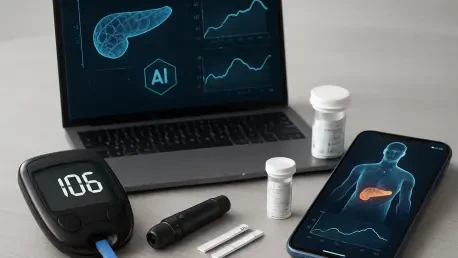
The real breakthrough is predictive care. It’s about moving away from reacting to medical changes to anticipating them before they happen. That’s where digital twins come in: AI-powered models that learn each person’s unique metabolic patterns to predict and adjust in real time. To help you implement personalized care, this article explores how predictive intelligence is transforming diabetes management from manual control to truly proactive support.
From Manual Logs to Connected Ecosystems
For years, managing diabetes meant finger pricks, paper logs, and constant calculations. It was a hands-on process that captured only single moments in a person’s glucose levels, missing the critical highs and lows that happened in between.
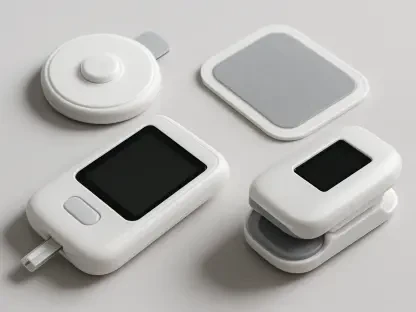
The development of CGMs and automated insulin delivery systems began to change the equation. CGMs provide a constant stream of glucose data, revealing trends and patterns that were previously invisible. Paired with smart pumps, these devices can create a closed-loop system that automatically adjusts basal insulin delivery based on real-time glucose readings.
This shift has done more than improve convenience; it has redefined the standard of care. A key measure of success is Time in Range (TIR), the percentage of time someone’s glucose stays within a healthy target range. The longer people stay in range, the lower their risk of serious complications. And the results are clear: studies show that CGMs significantly improve TIR in both type 1 and type 2 diabetes.
Even with real-time data, care remains reactive. The next step is predicting what’s ahead and acting before issues surface.
The Predictive Leap: AI as a Metabolic Co-Pilot
Closed-loop systems have improved diabetes care by reacting to glucose changes in real time, but they’re still reactive. The next generation of diabetes technology leverages AI and machine learning to build a truly predictive engine, creating a personalized metabolic co-pilot to guide treatment before trouble starts.
This AI-driven approach works by combining data from multiple sources, including:
Real-time CGM data.
Insulin delivery patterns.
Meal information, including carbohydrate and fat content.
Wearables that capture physical activity and energy use.
AI models use these inputs to learn how each person’s body uniquely responds to food, movement, stress, and sleep. Over time, they can spot patterns and anticipate changes, like detecting when glucose is likely to crash hours after a workout or when it will climb after a high-fat meal.
The real power lies in the system’s ability to suggest and automate preventive steps, such as lowering insulin doses before a predicted low or prompting a snack before symptoms appear. This shift from real-time reaction to proactive support is a step toward truly personalized, AI-driven care.
Of course, this is just the beginning. To deliver fully adaptive, real-time guidance, AI systems are now evolving into digital twins.
Building a Holistic Digital Twin
Managing diabetes effectively means looking beyond glucose numbers and insulin doses. A person’s metabolic health is shaped by many factors, and a truly personalized approach must bring these pieces together. That’s where the power of a digital twin comes in.
Unlike traditional tools that operate in silos, next-gen digital twins pull together insights from across the health landscape:
Wearables track sleep quality and strain.
Smart devices monitor heart rate and movement.
Electronic health records that provide clinical history.
For example, if a wearable shows poor sleep, the twin may adjust insulin sensitivity estimates the next morning, reducing the risk of a post-breakfast spike. Or it might link stress signals with glucose variability to tailor lifestyle and medication recommendations.
Digital twins are moving from pilot programs to frontline care. Their impact lies in simplifying complex workflows into manageable, actionable guidance and paving the way for safer, more tailored treatment at scale.
Overcoming the Hurdles to Widespread Adoption
The idea of an AI-powered digital twin for every person with diabetes holds huge promise, but bringing it to life requires tackling significant roadblocks. These aren’t just tech challenges; they’re system-wide issues that demand coordination across healthcare, technology, and regulatory sectors.
First, there’s the problem of data interoperability. Today, health data is spread across different devices and platforms that don’t always communicate with each other. For AI to be truly effective, it needs a full picture, pulling in data from CGMs, insulin pumps, smartphone apps, and wearables without friction. This calls for open standards, shared APIs, and collaboration among device makers who have traditionally worked in silos.
Next comes the regulatory challenge. Unlike traditional software, AI systems that learn over time require flexible oversight. Agencies like the FDA are starting to build pathways for adaptive models, but clear, scalable frameworks are still evolving. Striking the right balance between innovation and safety will be key.
Finally, there’s the need for trust. Patients must feel confident that their personal data is protected and that AI recommendations are accurate and fair. This means designing systems with transparency, strong privacy protections, and ongoing validation across diverse populations to avoid unintended bias.
Overcoming these hurdles won’t happen overnight, but momentum is building. Pilot programs around the world are already showing what’s possible when technology, research, and patient needs are aligned. Now, the focus turns to translating potential into practice at scale and for everyone.
What Healthcare Practitioners Can Do Now
For healthcare leaders and innovators, turning the promise of AI-powered diabetes care into reality starts with a focused plan. Here’s how to move from concept to impact:
Make Interoperability a Priority: Choose or build platforms that work across devices, not just within one ecosystem. Support open standards like Fast Healthcare Interoperability Resources to ensure data flows securely and seamlessly between CGMs, pumps, wearables, and electronic records. Integration is critical for any digital twin.
Invest in Clinician Education: As AI handles more data analysis, clinicians take on a new role: guiding patients through insights and decisions. Develop training programs that equip clinicians to understand AI-generated insights, enabling them to interpret predictions, explain system recommendations, and build patient confidence in this technology.
Design for Trust and Transparency: Create clear, patient-facing explanations of how the AI models work. Implement strong data security protocols and provide users with granular control over their own data to build the confidence needed for adoption.
Diabetes care needs to be intelligent, predictive, and deeply personalized. By focusing on trust, training, and seamless tech, clinicians can bring proactive care, one patient and platform at a time.
Conclusion: Moving from Possibility to Progress
Digital twins won’t replace care teams or cure diabetes. But they can unlock a smarter, more sustainable way to manage it if healthcare leaders take the right steps now.
The success of AI-powered care doesn’t depend on the most advanced model. It depends on practical decisions, choosing interoperable systems, preparing clinicians to lead in a new role, and earning patient trust through transparency and usability.
For healthcare organizations, this is no longer a question of if, but how soon. Each step from adopting open data standards to piloting smarter tools builds momentum toward a system where care adapts to the individual, not the other way around.
Now is the time to shift from promising pilots to scalable programs. Start small, measure real outcomes, and iterate with patients at the center. Because when businesses get the infrastructure right, personalized, predictive diabetes care becomes not just possible but a standard.