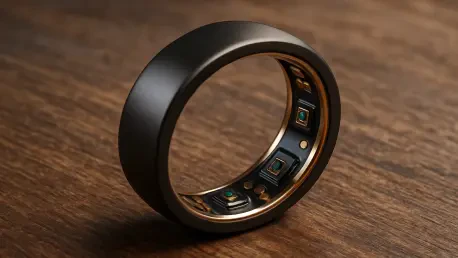

In the increasingly crowded landscape of wearable technology, the introduction of a new device must be more than an incremental update; it needs to be a decisive strategic maneuver, and for Google, launching a Fitbit-branded smart ring by 2026 is precisely that. This move is not merely about extending a product line but represents a critical opportunity to rejuvenate the iconic Fitbit brand, fundamentally reposition it within a rapidly evolving market, and secure a significant foothold in the next generation of personal health tracking. Such an initiative would serve as a definitive statement, signaling that Google is prepared to lead, rather than follow, its competitors into the future of ambient computing and personal wellness. For a company with vast resources but an often-scrutinized hardware strategy, a successful smart ring could be a landmark achievement, solidifying its role as a true innovator in the space.
The Strategic Imperative for a Fitbit Ring
Realigning with Fitbit’s Core DNA
A smart ring represents a natural and ideal evolution for the Fitbit brand, perfectly aligning with its foundational DNA of simplicity, extended battery life, and precise health tracking. In an era where smartwatches are becoming increasingly complex, functioning as feature-laden mini-computers that demand frequent charging and navigation through complicated interfaces, a significant segment of consumers craves a more seamless, “just works” experience. The smart ring form factor caters directly to this desire, offering a discreet and non-intrusive solution that effortlessly blends into daily life. This return to core principles would resonate deeply with traditional Fitbit users who value straightforward utility over a vast array of applications. A device that can be worn for days without a charge, quietly collecting valuable health data in the background, embodies the original promise of the Fitbit brand: making wellness tracking accessible and effortless for everyone, a promise that has been somewhat diluted by the feature creep seen across the industry.
Beyond its alignment with brand identity, the ring form factor offers a crucial technical advantage that could set a Fitbit device apart from its wrist-worn counterparts: superior data accuracy. Because a ring sits snugly and remains relatively stationary on the finger, it can provide more stable and therefore more reliable biometric measurements. This is particularly true for photoplethysmography (PPG) sensors used to measure heart rate and blood oxygen levels, as the consistent contact and proximity to capillaries in the finger can reduce the signal noise often caused by wrist movements. This focus on precision is a critical differentiator in a health tracker market where consumers are increasingly sophisticated and demand data they can trust. For a brand looking to re-establish its leadership, delivering best-in-class accuracy would be a powerful statement. It would shift the conversation from the quantity of features to the quality of insights, appealing to both wellness enthusiasts and the medical community.
Reclaiming a Premium Market Position
An honest assessment of Fitbit’s current market position reveals a brand that, while once a premium product, now largely serves the mid-market and value-conscious consumer segments. This strategy is fraught with risk, especially in light of macroeconomic trends pointing towards a “K-shaped recovery,” a scenario where affluent consumers maintain or increase their spending while budget-conscious buyers are forced to reduce theirs. In such an environment, the middle of the market becomes a precarious place to be. Fitbit’s current product lineup, caught between high-end smartwatches and low-cost fitness bands, makes it particularly vulnerable to this economic pressure. The introduction of a smart ring, which typically commands a higher average selling price (ASP), presents an ideal vehicle to move the Fitbit brand “upstream.” This strategic shift is not just about increasing margins; it is about building resilience and ensuring the long-term viability and prestige of the brand in a polarizing economy.
This move “upstream” would allow Google to tap into a more aspirational and economically resilient consumer base, effectively reclaiming Fitbit’s premium status. A clear market for such a device already exists, demonstrated by luxury watch owners who supplement their high-end mechanical timepieces with a discreet Oura Ring for health tracking. These consumers value both style and function but do not want a smartwatch screen competing with their Rolex or Patek Philippe. A beautifully designed Fitbit ring could fit perfectly into this niche, offering cutting-edge health insights without compromising on personal style. By targeting this demographic, Fitbit would not only secure a new revenue stream but also benefit from a “halo effect,” elevating the perception of its entire product portfolio. It would reposition the brand as a leader in both technology and design, making it a desirable accessory for the discerning consumer, a status it has not held for several years.
Capitalizing on Unique Opportunities
Seizing a Growing Market with Untapped Potential
The smart ring market, while still nascent, is demonstrating consistent and promising growth, establishing itself as a legitimate category in wearable technology. Players like Oura have already validated the market, shipping over 5.5 million units in their lifetime and proving that a significant number of consumers are willing to adopt this new form factor. Despite this initial success, the market is described as having virtually no serious competition at the scale that a technology giant like Google could provide. This presents a golden opportunity for a well-resourced and well-recognized brand to enter and potentially dominate the space. While competitors have laid the groundwork, the market is far from saturated, leaving ample room for a product that combines Fitbit’s brand equity with Google’s technological prowess and global distribution network. The time is ripe for a major player to transform the category from a niche product into a mainstream phenomenon.
This market potential is magnified by the immense brand power that Fitbit still holds, even with a hardware portfolio that has seen limited innovation in recent years. The brand managed to ship over two million devices in the first three quarters of 2025 alone, a testament to its enduring name recognition and loyal customer base. Combining this inherent strength with Google’s formidable global reach could make a new smart ring an explosive success right out of the gate. Market data further reinforces this opportunity, showing a consistent rise in the ring category’s market share in the U.S. health and fitness tracker market for devices priced over $200 from 2023 to 2025. This growth is not indicative of a fleeting fad but a fundamental market shift toward more discreet, integrated, and stylish wearable technology. For Google, this is a chance to not just participate in a trend but to define its trajectory for years to come.
Exploiting Pre-Existing Strengths in Wellness and Fashion
One of Fitbit’s most significant yet underutilized assets is its pioneering history in the corporate wellness sector. The brand effectively wrote the playbook for partnering with employers and insurance companies to integrate health tracking into employee benefits packages, a strategy that promotes preventative health and reduces healthcare costs. While competitors have since adopted this model, Fitbit’s legacy and brand recognition give it a distinct advantage. A discreet, stylish smart ring would be an ideal offering for this B2B segment. It is a device employees would be far more likely to wear consistently compared to a bulky wristband, leading to higher adoption rates and more robust data for wellness programs. Revitalizing this lucrative revenue stream with a product perfectly suited for the professional environment could provide a substantial and stable source of growth, leveraging a market channel that Fitbit itself created.
Furthermore, the modern health technology landscape is characterized by a powerful convergence of fashion and function, where wearable tech is increasingly viewed as an expression of personal identity and style. A thoughtfully designed Fitbit ring has the potential to bridge the gap between the worlds of wellness and high fashion, creating a product that could sit comfortably alongside a Cartier bracelet or a luxury watch. This would do more than just make the device aesthetically pleasing; it would fundamentally elevate the brand’s perception. Appealing to a new demographic that values both sophisticated design and cutting-edge health insights would open up new markets and collaborations. By becoming a coveted fashion accessory, a Fitbit ring could transcend the category of a simple fitness gadget and become a premium lifestyle product, an aspirational item that signifies a commitment to both health and personal style.
A Gateway to the Future of XR
Looking beyond immediate market opportunities, a Fitbit ring holds a hidden, long-term strategic value as a key enabler for the emerging field of Extended Reality (XR). With Google expected to launch its own Android XR glasses and headsets in 2026 and beyond, the ring is perfectly positioned to serve as a discreet and intuitive controller or input device. Navigating virtual and augmented worlds requires a new kind of interface, one that is less obtrusive than handheld controllers. A ring, capable of detecting subtle gestures and taps, offers an elegant solution. This concept has already been proven viable within Google’s own strategic acquisitions, as the company previously acquired Focals by North, a smart glasses company that utilized a ring for precisely this purpose. Therefore, a Fitbit ring would not just be a health device; it would be a foundational component of Google’s next major computing platform.
This dual functionality as both a premier health tracker and an essential XR controller would make the Fitbit ring an indispensable component of the broader Google hardware ecosystem. A consumer might initially purchase the ring for its sleep and activity tracking, but it would later become their primary tool for interacting with Google’s XR experiences. This creates a powerful synergy, where one product enhances the value of another, leading to deeper customer engagement and loyalty. For Google, this strategy transforms the ring from a standalone wearable into an integral piece of a much larger vision for the future of ambient computing. It would be a significant win in the ecosystem battle against competitors like Apple and Samsung, making the Fitbit ring not just a desirable product, but a necessary one for anyone invested in Google’s vision for the future.
A Necessary Strategic Victory
Ultimately, the launch of a Fitbit smart ring was framed not just as a good idea, but as a necessary strategic victory for Google’s hardware ambitions. The move was presented as a definitive statement that the company understood future market trends and was prepared to lead, rather than follow competitors like Samsung into new form factors. For a technology giant whose hardware portfolio had often been described as uneven, a successful and innovative product in the wearable space represented a significant and much-needed win. It would have served to solidify its competitive position against its primary rivals, demonstrating a clear and forward-looking vision for the future of personal technology. The analysis had also noted the powerful marketing potential, suggesting that a launch timed around an event symbolizing commitment, such as Valentine’s Day, could have powerfully reinforced the brand’s renewed dedication to health, wellness, and market leadership.