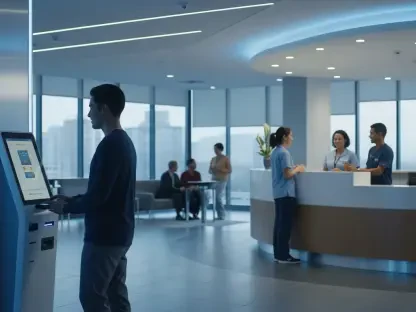

The widespread strategy of propping up a bad telehealth system with intensive, “white-glove” human support is not a marker of excellent service but a clear sign of a failing technology. This approach creates a false sense of functionality while masking the deep, systemic flaws that make the technology difficult to use in the first place. Instead of being a sustainable solution, this reliance on constant human intervention is an expensive, inefficient workaround that ultimately undermines the core promise of virtual care, which is to deliver seamless, accessible, and efficient healthcare. Organizations that continue down this path are not just paying for support; they are paying a steep price for choosing the wrong tools, a cost measured in wasted resources, frustrated staff, and disengaged patients.
The “White-Glove” Fallacy: A Symptom, Not a Solution
Support as a Crutch for Flawed Technology
The need for “at-the-elbow” support for clinicians and proactive hand-holding for patients is a major red flag that signals deeper issues within a telehealth platform’s design and functionality. When technology is intuitive and purpose-built for clinical environments, it should integrate seamlessly into existing workflows, not create new barriers that require human intervention to overcome. This level of intensive support, often celebrated as a commitment to user success, is in reality a necessary crutch. It forces organizations to dedicate significant human labor to compensate for a poor user experience, navigate broken processes, and bridge the gaps left by a fundamentally flawed system. Instead of empowering providers and patients, this model makes them dependent on a support structure that would be largely unnecessary if the technology was fit for its purpose from the outset, turning a supposed feature into a clear indicator of system failure.
This reliance on a human safety net indicates a fundamental misalignment between the technology and the practical needs of its users. A well-designed system anticipates the complexities of a clinical encounter, from patient intake and consent to documentation and follow-up. When a platform fails to account for these realities, it becomes a brittle system that only functions under ideal conditions. The support team then becomes a permanent fixture, tasked with managing the fallout from a tool that cannot adapt to the dynamic nature of healthcare delivery. Support should be an exception, reserved for troubleshooting occasional technical glitches or unique edge cases. When it becomes the foundational pillar upon which the entire virtual care program rests, it serves as an undeniable warning sign that the organization has chosen a tool that is not capable of standing on its own, thereby institutionalizing inefficiency.
Normalizing Inefficiency and Ignoring Red Flags
Within the healthcare industry, there is a historical tendency to accept and normalize workarounds for inadequate technology, allowing temporary fixes to become permanently embedded in standard operating procedures. This pattern is repeating itself in the telehealth space, where the constant need for support is often reframed as a high-touch service model rather than a symptom of poor system design. Over time, the underlying problems—clunky interfaces, unreliable connections, and non-intuitive workflows—are never addressed because the organization becomes proficient at managing the symptoms. The focus shifts from fixing the technology to perfecting the workaround, a misguided allocation of resources that perpetuates a cycle of inefficiency. This normalization creates a dangerous blind spot for leadership, who may see high satisfaction scores driven by support staff and mistakenly conclude that the technology itself is successful.
This culture of acceptance prevents a crucial question from being asked: what if the technology did not require rescuing in the first place? By failing to recognize intensive support as a red flag, organizations miss the opportunity to address the root cause of user friction. Instead of investigating why clinicians need constant guidance or why patients struggle to connect, they invest more heavily in the support infrastructure. This approach not only masks the technology’s deficiencies but also sets a low bar for what is considered acceptable in virtual care. It sends a message that telehealth is inherently difficult and requires a support team to function, when in fact, the difficulty is a direct result of a poor technology choice. True excellence in telehealth is not about becoming adept at managing a flawed system; it is about choosing a system that empowers users to succeed independently.
Uncovering the Hidden Burdens of Bad Tech
The Financial Drain of “Free” or “Included” Systems
The allure of a telehealth solution that comes bundled with an existing Electronic Health Record (EHR) or enterprise communications suite is powerful, as it often appears to be the most cost-effective option. However, this initial perception of savings is frequently misleading, as these “included” platforms can carry steep and recurring hidden costs that far exceed their sticker price. The true financial burden emerges in the operational budget required to make the system functional. This includes the substantial and ongoing salaries for a dedicated team of support specialists, the costs associated with developing and delivering extensive training programs for both staff and patients, and the significant number of staff hours lost to troubleshooting technical issues instead of focusing on patient care. These are not one-time expenses but a permanent drain on resources.
When a full accounting is conducted, the total cost of ownership for a seemingly “free” platform can quickly eclipse that of a purpose-built, user-centric system. The operational expenses associated with propping up an inadequate tool represent a continuous financial leak that undermines the economic case for telehealth. A platform that requires constant human intervention is not a cost-saving measure; it is a long-term liability. Healthcare leaders must look beyond the procurement price and evaluate the complete financial picture, including the personnel and resources needed to compensate for the system’s shortcomings. A tool that is merely a video function labeled “telehealth” but lacks clinical workflow integration will inevitably demand a heavy investment in human capital, turning an apparent bargain into a costly operational quagmire that detracts from the organization’s primary mission.
The High Price of a Poor User Experience
Beyond the direct and measurable financial outlay, the intangible costs of implementing a bad telehealth system are severe and can cause long-term damage to an organization’s strategic goals. Operationally, a clunky and unreliable platform introduces significant complexity into daily workflows, creating friction and frustration that negate the very efficiencies telehealth is intended to deliver. Clinicians are forced to spend valuable time navigating cumbersome interfaces or dealing with technical failures, reducing their capacity for patient care and contributing to burnout. This operational drag slows down the entire care delivery process, from scheduling to follow-up, and prevents the organization from realizing the full potential of its virtual care investment. The promise of streamlined, accessible care is replaced by a reality of frustrating and inefficient digital encounters.
Perhaps the most critical, yet often overlooked, cost is the erosion of patient trust and engagement. A difficult, confusing, or unreliable telehealth experience does more than just frustrate patients in the moment; it actively deters them from using virtual care services in the future. This patient attrition represents a significant loss, undermining key objectives such as improving healthcare access, ensuring continuity of care, and managing chronic conditions effectively. When patients abandon the platform due to a poor user experience, the health system loses the opportunity to build lasting digital relationships and achieve the long-term cost savings associated with a successful virtual care program. This loss of patient confidence is a high price to pay for a subpar technology choice, as it not only affects immediate revenue but also jeopardizes the future viability of the organization’s entire digital health strategy.
The Ripple Effect of a Failed Implementation
How Poor Usability Sabotages Adoption
The ultimate metric for the success of any telehealth initiative is its adoption rate among both clinicians and patients, a factor that is directly and inextricably linked to usability. The fundamental principle is straightforward: people will not consistently use technology if they find it difficult or frustrating, regardless of its intended benefits. A system characterized by a convoluted interface, frequent technical glitches, or a non-intuitive workflow will gradually be avoided. Initial enthusiasm or organizational mandates may drive early usage, but sustained adoption hinges on a positive and successful user experience. No amount of training, encouragement, or even intensive support can overcome a platform that is fundamentally difficult to use. Frustration is a powerful deterrent, and over time, it will always win out over persistence, leading to abandoned appointments and a return to traditional care modalities.
This avoidance is not merely a matter of preference; it is a rational response to a tool that creates more problems than it solves. For clinicians, a cumbersome telehealth system adds to their administrative burden and disrupts the natural flow of a patient encounter, leading them to favor in-person visits where they feel more effective. For patients, a single negative experience—such as a dropped call, difficulty logging in, or poor audio quality—can be enough to convince them that the technology is not worth the effort. This slow but steady attrition is the silent killer of telehealth programs. The system may remain technically operational, but its value diminishes with every user who quietly opts out. Ultimately, a failure to prioritize usability from the outset is a failure to plan for adoption, dooming the initiative before it ever has a chance to prove its clinical or financial worth.
Damaging the Future of Virtual Care
When users encounter a poorly designed telehealth system, their negative experience often tarnishes their perception of virtual care as a whole, not just the specific platform they were forced to use. This conflation of a bad tool with a bad modality creates a harmful and pervasive narrative that “telehealth doesn’t work” or is inherently inferior to in-person care. This misconception does real and lasting damage to the credibility of the entire telehealth industry, reinforcing skepticism among patients, providers, and healthcare leaders who may have already been hesitant to embrace digital health solutions. Each failed implementation driven by a poor technology choice adds another voice to the chorus of doubt, making it harder for well-designed, effective solutions to gain traction. The problem is not with telehealth itself, but with the execution.
This negative perception actively slows the progress of establishing virtual care as a durable, standard, and integrated component of the modern healthcare ecosystem. At a time when the industry is working to solidify the gains made in virtual care delivery, every frustrating user experience is a step backward. It undermines the trust that is essential for patient engagement and makes clinicians reluctant to integrate virtual services into their practice. This widespread damage is a significant hidden cost of choosing the wrong technology. Instead of advancing the mission of accessible and efficient care, a bad telehealth system poisons the well for future innovation, making the path to a truly integrated hybrid care model steeper and more challenging for everyone. The responsibility, therefore, lies with healthcare organizations to select tools that champion the potential of telehealth, rather than those that compromise its reputation.
Forging a Path to Sustainable Virtual Care
In the end, the most forward-thinking healthcare organizations recognized that the path to a successful and sustainable virtual care program was not paved with elaborate support systems for flawed technology. Instead, their success was built upon the strategic decision to invest in platforms that were inherently usable, reliable, and designed specifically for the nuances of clinical workflows. They understood that the true measure of a system’s value was its ability to facilitate care naturally, without requiring a permanent and costly infrastructure to rescue it from its own shortcomings. This shift in perspective, from managing symptoms to addressing the root cause, proved to be the critical differentiator. It was this commitment to prioritizing user-centric design and seamless integration that ultimately fixed the underlying usability problem, allowing them to unlock the full potential of telehealth and deliver on its promise of accessible, efficient, and high-quality care for their communities.