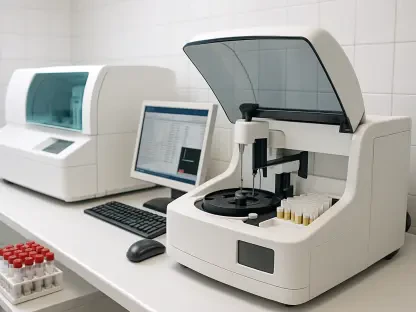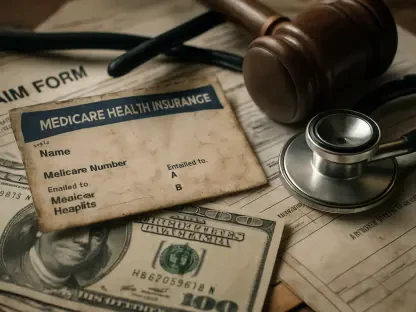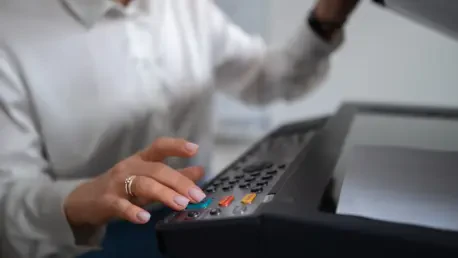

Imagine a hospital where a single delayed document can stall a life-saving surgery or postpone critical test results for days. In today’s fast-paced healthcare environment, such delays are not just inconvenient—they’re dangerous. Fax technology, a seemingly outdated tool, still anchors much of healthcare communication, handling sensitive patient information with a level of security few alternatives match. Yet, its clunky, manual processes often create bottlenecks that frustrate staff and jeopardize patient care. This lingering reliance on fax, paired with its inefficiencies, begs a pressing question: can modern innovation breathe new life into this old system?
The Heart of the Issue: Fax’s Stubborn Hold on Healthcare
At first glance, fax machines seem like relics of a bygone era, better suited to dusty archives than modern clinics. However, their persistence in healthcare isn’t mere nostalgia—it’s rooted in necessity. Fax remains a go-to method for transmitting patient records, referrals, and lab results because it aligns with strict regulations like HIPAA, ensuring data security in a field where breaches can be catastrophic. Despite digital advancements, many healthcare providers trust fax for its proven track record in safeguarding sensitive information, making it a cornerstone of daily operations.
Yet, this trust comes at a steep cost. The inefficiencies of fax—think manual printing, scanning, and endless waiting for confirmations—clash with the urgent demands of medical settings. These outdated workflows drain time and resources, often leading to errors that can ripple through patient care. The tension between fax’s reliability and its operational drag sets the stage for a deeper look at why healthcare clings to this double-edged tool, and more importantly, how it can evolve.
Digging Deeper: Why Fax Fails to Keep Up
Healthcare professionals often find themselves tethered to fax machines, wrestling with processes that feel agonizingly slow. Manual handling, from sorting incoming faxes to routing them to the right department, creates delays that can mean the difference between timely treatment and a critical oversight. A recent survey by Documo, titled “Stuck in the Fax Lane,” revealed a staggering statistic: 88% of hospital administrators report fax-related delays directly impacting patient outcomes. This friction isn’t just a minor annoyance—it’s a systemic flaw.
Moreover, the risk of human error looms large. Misfiled documents or unreadable scans can lead to billing mistakes or, worse, misdiagnoses. With 52% of faxes still requiring manual intervention, as per the same survey, the burden on staff is undeniable. These challenges highlight a clear mismatch: a tool designed for security struggles to meet the speed and precision that modern healthcare demands, pushing the industry toward a breaking point.
AI to the Rescue: Modernizing an Old Workhorse
Enter artificial intelligence, a game-changer poised to drag fax into the 21st century. By integrating tools like Intelligent Document Processing (IDP) and Optical Character Recognition (OCR), healthcare systems can automate tedious fax tasks. Imagine a system that instantly categorizes incoming referrals or lab reports, routes them to the correct doctor, and extracts key data without a single human touch. This isn’t a distant dream—it’s a reality taking shape in forward-thinking facilities.
Such automation doesn’t just save time; it slashes errors. AI can ensure that a blurry fax doesn’t derail a diagnosis by enhancing readability and flagging discrepancies. Crucially, these systems maintain compliance with HIPAA, preserving the security that made fax indispensable in the first place. The shift from manual drudgery to streamlined workflows signals a profound transformation, one that promises to align fax with the rapid pace of medical decision-making.
Beyond Speed: The Ripple Effects of Automation
Efficiency is only the beginning. Automated fax systems offer reliability through high uptime and seamless integration with electronic health record (EHR) platforms via modern APIs. This connectivity means patient data flows effortlessly between systems, reducing silos that often plague healthcare operations. Additionally, adherence to standards like SOC2 ensures that security remains ironclad, addressing lingering concerns about digital vulnerabilities.
Perhaps most compelling is the impact on patient outcomes. When administrative burdens lift, staff can redirect focus to care rather than paperwork. The Documo survey notes that among the 29% of providers with fully automated workflows, confidence in operational reliability soars. This broader benefit underscores automation as not just an upgrade, but a necessity in a field where every second counts.
Real Stories, Real Impact: Voices from the Frontlines
Across hospitals, the frustration with traditional fax is palpable, but so is the hope for change. A hypothetical hospital administrator in a bustling urban center might describe the shift to AI-driven fax as revolutionary: “Before automation, chasing down a single lab result could take hours. Now, it’s routed to the right team in minutes.” Such anecdotes, while illustrative, echo a growing sentiment among professionals who’ve seen firsthand the difference technology makes.
Data backs up these experiences. The same industry survey shows that providers with automated systems report not just faster turnarounds, but a renewed trust in their communication tools. These stories and statistics paint a vivid picture: modernizing fax isn’t an abstract concept, but a tangible improvement felt by those on the ground, from overworked nurses to time-strapped doctors.
Taking Action: Steps to Reinvent Fax Workflows
For healthcare organizations ready to move forward, the path to modernization is clear, though it requires careful planning. Start by auditing current fax processes to pinpoint specific pain points—whether it’s delays in referrals or errors in billing. Next, invest in cloud-based fax solutions paired with IDP tools that integrate smoothly with existing EHR systems. Prioritizing compatibility ensures minimal disruption during the transition.
Training staff is equally vital. Rolling out automation in phases, perhaps starting with a pilot in a single department like oncology or pharmacy, allows for fine-tuning before a full-scale rollout. Compliance must remain front and center, with regular checks to confirm security protocols. By taking these measured steps, facilities can transform fax from a liability into a powerful, efficient asset, paving the way for smarter healthcare delivery.
Reflecting on the Journey
Looking back, the struggle with fax in healthcare revealed a stark truth: even the most trusted tools could become obstacles without adaptation. The grind of manual processes once bogged down entire teams, delaying care and amplifying stress in already high-stakes environments. Yet, the integration of AI offered a lifeline, turning a dated system into a model of efficiency. As the industry reflected on this shift, the lesson was unmistakable—innovation wasn’t just an option, but an urgent need. Moving ahead, healthcare leaders were encouraged to embrace scalable automation, pilot new solutions, and prioritize staff readiness, ensuring that technology continued to serve patients above all else.