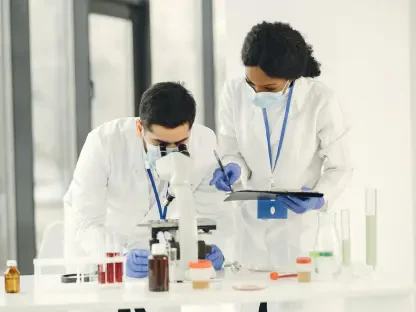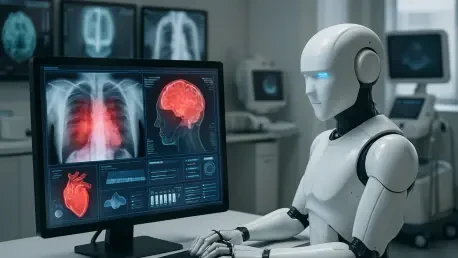

For more than a century, the pathologist’s view of the world was confined to the narrow circular field of a manual microscope, but that traditional era is rapidly coming to a definitive end as digital intelligence takes over. The collaboration between Labcorp and PathAI represents more than a simple technical upgrade; it is a fundamental restructuring of how disease is identified and managed across the United States. By deploying the AISight Dx platform, these organizations are shifting the clinical focus from physical glass slides to high-resolution digital environments that allow for unprecedented speed and collaborative depth.
The Transformation of Diagnostic Pathology Through Digital Integration
The transition from traditional glass-slide microscopy to high-resolution digital imaging marks a pivotal moment for clinical laboratories. For decades, the physical transport of slides between facilities created bottlenecks and risks of breakage or loss. By digitizing these samples, Labcorp has effectively removed the geographic barriers of medicine, allowing a specialist in one city to review a case from another in real time. This shift is not merely about convenience; it is about creating a durable digital record that can be analyzed by sophisticated algorithms.
Strategic competition between industry leaders Labcorp and Quest Diagnostics has accelerated this AI arms race. After Quest acquired PathAI’s diagnostic business, it became clear that the AISight Dx platform was the preferred industry standard for modernizing clinical networks. This unified platform serves as the backbone for primary diagnosis, enabling a data-driven laboratory model that significantly boosts operational efficiency. Rather than working in silos, laboratories now operate as interconnected nodes in a vast, intelligent diagnostic web.
Strategic Shifts Toward the Intelligentization of the Laboratory
Key Drivers Moving Diagnostics from Microscopy to AI-Enhanced Workflows
The industry has moved beyond treating digital tools as experimental novelties, viewing them instead as necessary diagnostic infrastructure. One of the most significant drivers in this evolution is the adoption of virtual staining. This technology allows laboratories to reduce their reliance on physical chemical processing, which is often time-consuming and labor-intensive. By digitally simulating various stains, pathologists can visualize tissue structures faster, shortening the turnaround time for critical patient results.
Furthermore, the demand for precision has reached a point where human observation alone is sometimes insufficient. Pathologists are increasingly seeking AI-powered assistance to identify subtle patterns in tissue analysis that might be overlooked during a standard review. Secure cloud storage and remote annotation tools have turned the diagnostic process into a collaborative effort, where multiple experts can weigh in on complex cases without the logistical nightmare of shipping physical specimens across the country.
Analyzing Market Growth and the Scalability of Digital Diagnostic Platforms
The scalability of nationwide software deployment is now being realized across hundreds of hospital sites and anatomic laboratories. Following multi-year investment strategies, the growth projections for AI-integrated pathology show a steady climb as more facilities move away from analog systems. These platforms are designed to handle the massive data loads required for primary diagnosis, ensuring that accuracy remains high while clinical error rates drop.
Performance indicators suggest that the integration of AI significantly improves the consistency of diagnostic outputs. As the technology matures, the focus has shifted toward how these platforms can be expanded to cover a broader range of diseases. The ability to deploy updates across a nationwide network simultaneously ensures that every patient, regardless of their location, benefits from the latest advancements in diagnostic software and algorithmic precision.
Navigating the Complexities of Integrating AI into Clinical Environments
Transitioning from physical slides to digital file management involves significant logistical hurdles. The sheer volume of data generated by high-resolution scanners requires robust IT infrastructure and massive storage capacities. Laboratories must also manage the high initial costs associated with upgrading hardware and software across an entire network. This is not just a software update; it is a complete overhaul of the physical and digital architecture of the modern lab.
Ensuring data security and privacy within high-volume clinical networks remains a top priority for administrators. As diagnostic data moves to the cloud, protecting patient information against cyber threats requires constant vigilance and sophisticated encryption protocols. Additionally, there is a significant cultural shift occurring within the workforce. Pathologists who have spent decades using microscopes must be trained to navigate new software suites, necessitating comprehensive education programs to ensure a smooth transition to digital workflows.
Compliance Frameworks and the Impact of FDA Clearances on Diagnostic Innovation
The regulatory landscape reached a major milestone with the 2025 FDA clearance, which streamlined the process for future platform updates. This clearance is vital because it allows for the integration of new scanners and file formats without the need for repetitive, lengthy approval cycles. By establishing clear regulatory standards for digital pathology, the government has provided a roadmap for continuous innovation while maintaining the integrity of primary diagnoses in a digital environment.
Standardization has become the watchword for regulatory compliance in this space. The move toward universal file formats and scanner interoperability ensures that different systems can communicate effectively, preventing data silos. This framework not only protects patient safety but also encourages competition among technology providers, as laboratories are no longer locked into a single proprietary ecosystem. Compliance now acts as a foundation for trust, ensuring that AI-driven results meet the same rigorous standards as traditional methods.
The Future Roadmap for AI-Assisted Clinical Decision Making
The next frontier for laboratory intelligence involves predictive analytics and the expansion of personalized medicine. As diagnostic data accumulates, AI systems will be able to identify long-term trends and suggest targeted treatments based on a patient’s specific tissue profile. This shift toward fully automated diagnostic triage will allow the most urgent cases to be flagged for immediate human review, optimizing the workflow of overstretched pathology departments.
Market disruptors are expected to push the boundaries of what is possible in digital processing. We are moving toward a reality where digital algorithms can predict how a tumor might respond to specific therapies before the treatment even begins. This global shift toward standardized, AI-enhanced diagnostic results will likely have profound economic implications, reducing the overall cost of healthcare by eliminating diagnostic trial-and-error and improving patient outcomes through earlier and more accurate detection.
Final Assessment of the Nationwide AI Diagnostic Rollout
The partnership between Labcorp and PathAI functioned as a critical catalyst for the modernization of the entire diagnostic industry. It demonstrated that large-scale digital integration was not only feasible but essential for maintaining a competitive edge in a rapidly evolving healthcare market. This transition successfully moved the sector toward a more sustainable and precise model of care, where data acted as the primary driver for clinical decisions.
Long-term outlooks suggested that the precision gained from these AI-enhanced workflows significantly improved patient safety and reduced the variability of results. Future investments in digital infrastructure became a standard recommendation for any laboratory seeking to remain relevant in an era of personalized medicine. Ultimately, the successful rollout of nationwide AI diagnostics proved that technology could seamlessly augment human expertise to create a more efficient and effective healthcare system.