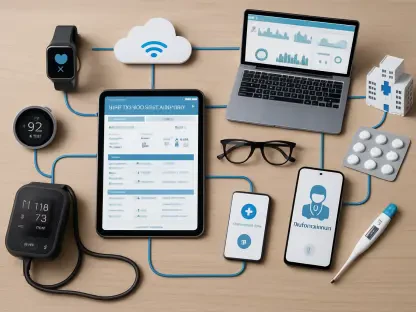

In an era where smartphones are virtually an extension of the hand, it’s no surprise that they’re transforming even the most personal aspects of life, like sexual wellbeing. Imagine a world where a discreet tap on a screen can connect someone to a doctor for a sensitive issue, educate them on intimacy, or guide them through exercises to improve physical health—all without the discomfort of a face-to-face conversation. Health apps are making this a reality, tearing down barriers of stigma and accessibility that have long surrounded sexual health. From telehealth services to relationship tools, these digital platforms are empowering users to take control of their intimate lives in ways that were unimaginable just a decade ago. This exploration delves into how these apps are reshaping attitudes and practices around sexual wellness, highlighting their benefits, challenges, and the balance they strike with traditional care. The journey through this topic reveals not just innovation, but a cultural shift toward openness and self-care in private matters.
Revolutionizing Intimate Health Through Technology
The fusion of technology and sexual health has sparked a quiet revolution, bringing tools directly to users’ fingertips that address deeply personal needs. Mobile apps are stepping in where traditional systems sometimes fall short, offering solutions for everything from men’s health concerns to enhancing couple dynamics. They provide a discreet lifeline for those hesitant to seek help in person due to embarrassment or logistical hurdles. This shift is more than just convenience; it’s about creating a space where sensitive topics can be explored without judgment. As society becomes more tech-savvy, these platforms are gaining traction, helping normalize discussions that were once whispered behind closed doors. Their rise reflects a broader trend of digital health tools becoming integral to personal wellness, especially in areas often left unaddressed by mainstream healthcare.
Moreover, the diversity of these apps means there’s something for nearly everyone, catering to a spectrum of issues that impact sexual wellbeing. Whether it’s a man seeking solutions for performance challenges or a couple aiming to reconnect emotionally, the app store offers tailored options. This customization is a game-changer, allowing users to find resources that resonate with their specific circumstances. However, with this rapid growth comes the need for discernment—navigating which tools are trustworthy amidst a crowded market. The potential to empower users is immense, but so is the responsibility to ensure these digital aids are used wisely. As this landscape evolves, it’s clear that technology is not just supporting health but also redefining how intimacy is approached and understood in modern life.
Breaking Barriers with Accessibility and Convenience
One of the standout strengths of sexual health apps lies in their ability to make care and information accessible in ways traditional methods often can’t match. Picture a busy professional who can’t squeeze in a doctor’s visit—apps offering telehealth services provide consultations and even prescriptions right from a phone, eliminating the need for awkward waiting room moments. This kind of convenience dismantles barriers of time and location, ensuring that help is just a click away for those who need it most. Beyond consultations, educational platforms deliver digestible content on topics like safe practices or communication, turning a smartphone into a personal tutor for intimate matters. This ease of access is particularly vital for individuals in remote areas or those who shy away from in-person discussions due to stigma.
Additionally, the immediacy of these tools fosters a proactive approach to sexual wellness that wasn’t as feasible before. Users can explore resources at their own pace, whether it’s late at night or during a quick break, without the pressure of scheduling or judgment. This flexibility encourages more people to engage with their health in meaningful ways, often before issues escalate. However, accessibility doesn’t automatically equate to quality—some apps prioritize user-friendliness over depth, leaving gaps in comprehensive care. Still, the sheer ability to connect with solutions instantly marks a significant leap forward. As these platforms continue to refine their offerings, they’re poised to reach even more individuals who might otherwise remain silent about their needs, reshaping the landscape of personal health management.
Safeguarding Privacy in a Digital Age
When dealing with something as personal as sexual health, privacy isn’t just a perk—it’s a necessity, and many health apps are rising to the challenge. Robust features like data encryption during transmission ensure that sensitive information stays secure as it moves between a user’s device and the app’s servers. This level of protection is critical for building trust, especially when users share details they wouldn’t dare voice aloud. Knowing that personal struggles or medical histories won’t be compromised allows more individuals to seek help through digital means without fear of exposure. This focus on security isn’t just a technical detail; it’s a cornerstone of why these apps are becoming a go-to for intimate concerns.
Furthermore, privacy features often extend beyond encryption to include anonymous browsing or minimal data collection, adding layers of reassurance for cautious users. For many, this creates a safe haven to explore topics they’d hesitate to discuss even with close confidants. Yet, no system is foolproof, and occasional breaches or unclear privacy policies can undermine confidence in less scrupulous apps. Users must remain vigilant, checking for transparency in how their information is handled. Despite these risks, the emphasis on safeguarding personal data has made digital tools a viable option for those prioritizing discretion. As developers refine these protections, the balance between innovation and trust will remain pivotal in encouraging broader adoption of sexual health apps.
The Importance of Credibility in App Selection
Not every app in the digital health space is built on a solid foundation, and credibility stands as a crucial factor in separating the helpful from the harmful. Experts in the field, such as urologists and therapists, emphasize that users should seek out platforms developed with input from qualified professionals. Apps backed by medical or psychological expertise, like those created with guidance from sex therapists, often provide more reliable content and advice. This grounding in science ensures that users aren’t misled by flashy interfaces or unverified claims, which can be a real risk in a market flooded with options. Choosing wisely can mean the difference between genuine support and potentially dangerous misinformation.
In addition, credibility isn’t just about content—it’s about transparency in who’s behind the app and their qualifications. Platforms that openly share their expert collaborations or clinical research inspire more confidence than those that don’t. However, many users may not think to investigate these details, drawn instead to sleek designs or bold promises. This oversight can lead to reliance on tools that prioritize engagement over accuracy, sometimes with frustrating or even harmful results. Education around app vetting is essential, encouraging a mindset of skepticism toward unsupported health claims. As the industry matures, fostering trust through credible partnerships will likely become a benchmark, guiding users toward tools that truly enhance their wellbeing rather than exploit their vulnerabilities.
Customized Support for Varied Wellness Goals
The beauty of sexual health apps lies in their ability to offer tailored solutions that meet a wide array of personal goals and challenges. Some focus on physical aspects, providing structured programs like pelvic floor exercises to improve sexual function and overall health. Others target emotional intimacy, offering guided activities for couples to strengthen bonds through better communication and shared experiences. This variety ensures that whether someone is addressing a specific medical concern or simply seeking to enrich a relationship, there’s a digital tool designed to fit that need. Such specialization transforms a generic app store into a personalized health hub, catering to individual journeys with precision.
Beyond personalization, these targeted approaches often integrate user feedback to refine their offerings, adapting to real-world needs over time. For instance, apps might adjust exercise plans based on progress or suggest new relationship prompts as dynamics evolve. However, this customization can sometimes feel limited by rigid app structures or premium paywalls that restrict access to the best features. Not every user will find the perfect match right away, and trial and error may be necessary. Still, the ability to choose a tool aligned with specific aspirations marks a significant advancement in how sexual wellness is approached. As developers continue to innovate, the hope is for even more nuanced solutions that address the full spectrum of human intimacy with empathy and effectiveness.
Normalizing Conversations About Intimate Matters
Perhaps one of the most profound impacts of sexual health apps is their role in breaking down societal taboos surrounding intimate topics. By offering a private, nonjudgmental space to explore issues like performance anxiety or relationship hurdles, these tools help users feel less isolated in their struggles. This anonymity empowers individuals to seek knowledge and support without the fear of stigma that often accompanies face-to-face discussions. Experts in men’s health and therapy have noted that such platforms can serve as a vital first step, especially for younger generations, in initiating dialogue about concerns that might otherwise remain unspoken. The ripple effect is a gradual shift toward openness in how sexual wellbeing is perceived and addressed.
Moreover, this destigmatization extends beyond individual users to influence broader cultural attitudes. As more people engage with these apps, the topics they cover become less taboo, encouraging candid conversations in communities and even healthcare settings. However, this progress isn’t universal—some cultures or demographics may still resist digital tools due to privacy fears or traditional values. Bridging these gaps will require ongoing education about the benefits and safety of such platforms. Nonetheless, the quiet revolution sparked by these apps is undeniable, fostering an environment where seeking help for intimate issues is seen as a strength rather than a weakness. This cultural pivot, driven by technology, holds the promise of deeper understanding and acceptance over time.
The Business Side of Digital Wellness Tools
While the advantages of sexual health apps are numerous, there’s a commercial undercurrent that can’t be ignored. Many operate on subscription models or lock key features behind premium paywalls, which can feel like a financial burden to users over time. Some platforms have faced criticism for marketing tactics that seem to exploit personal insecurities, pushing quick fixes rather than holistic solutions. High costs for services or medications, coupled with tricky cancellation policies, can leave users feeling more frustrated than helped. This business focus raises ethical questions about whether the primary aim is user wellbeing or profit, a tension that’s hard to overlook in an industry meant to prioritize care.
Additionally, the commercial nature of these apps can skew user expectations, promising fast results that aren’t always realistic without deeper intervention. For those on tight budgets, the recurring fees might deter long-term use, limiting access to consistent support. On the flip side, the revenue model does fund innovation, allowing developers to improve features and reach wider audiences. Striking a balance between affordability and quality remains a challenge, one that users must navigate with caution. Looking ahead, greater transparency in pricing and marketing could help align these tools more closely with their mission of empowerment rather than capitalization, ensuring that financial barriers don’t undermine the very access they aim to provide.
Balancing Apps with Professional Healthcare
While sexual health apps offer impressive support, they’re not a standalone solution and should complement rather than replace traditional healthcare. These tools excel at providing reminders, tracking habits, or delivering education, but they often fall short in addressing the underlying causes of complex issues. Medical experts caution that many sexual health challenges require in-depth evaluations that only a trained professional can provide through personalized assessments. Relying solely on an app might delay necessary care, potentially worsening conditions that could have been managed early with proper guidance. This limitation underscores the importance of viewing digital platforms as a helpful addition rather than the final answer.
Furthermore, integrating app use with professional advice creates a more holistic approach to wellbeing. For example, an app might inspire someone to track symptoms or start a conversation, but following up with a doctor ensures those insights lead to actionable, tailored treatment. Challenges arise when users overestimate an app’s capabilities or skip medical consultations due to the convenience of digital tools. Education around this balance is key, encouraging a mindset where technology and human expertise work hand in hand. As the digital health field advances, fostering collaborations between app developers and healthcare providers could bridge these gaps, ensuring users receive both the accessibility of apps and the depth of professional care for optimal outcomes.