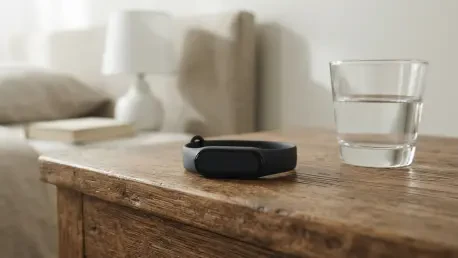

The wearable technology market is currently witnessing a distinct pivot as consumers begin to push back against the notification-heavy, oversized displays that have dominated the industry for years. The inclusion of built-in GPS functionality allows recreational athletes to record precise outdoor routes without being tethered to a bulky smartphone. This shift represents a broader movement toward minimalist utility, where the focus is on capturing high-quality physiological data without the constant digital noise of a wrist-worn smartphone. By reclaiming the middle ground between basic fitness bands and complex smartwatches, the Google Fitbit Edge serves as an unobtrusive companion for individuals who value health insights over distracting apps. Its slender form factor and focused feature set are designed to integrate seamlessly into a professional wardrobe while providing the ruggedness needed for a weekend trail run. This strategic positioning addresses the growing demand for devices that stay out of the way until they are needed, ensuring that the technology supports a healthy lifestyle rather than becoming another source of digital clutter or physical discomfort during daily activities.
Physical Design and Ergonomics
Tactile Feedback and Structural Integrity
The Google Fitbit Edge introduces a pivotal improvement in user interaction by replacing the often finicky capacitive sensors of its predecessors with a dedicated physical side button. This hardware choice provides immediate tactile feedback, which is essential for athletes who need to start or stop a timer while wearing gloves or dealing with moisture from sweat or rain. The reliability of a mechanical press ensures that the device responds correctly the first time, preventing the frustration of multiple failed swipes during an intense interval session. Complementing this functional update is a chassis constructed from recycled aluminum, which offers a premium feel while maintaining an incredibly lightweight profile of just 17.7 grams. This emphasis on lightweight materials is critical for 24/7 wearability, as it minimizes wrist fatigue and prevents the device from shifting during high-velocity arm movements. By focusing on structural integrity and user comfort, the design succeeds in being both a durable sports tool and a sophisticated accessory that can be worn comfortably even during technical gym exercises or long periods of sleep.
One of the most impressive aspects of the physical build is how the device maintains its structural strength despite its slim profile. The use of aerospace-grade recycled aluminum not only supports sustainability goals but also provides a rigid frame that protects the sensitive internal sensors from impact. The strap system has also seen improvements, focusing on a more secure yet flexible attachment that accommodates various wrist sizes without compromising sensor contact. Maintaining a consistent connection between the optical sensor and the skin is vital for data integrity, and the Edge achieves this through a low-profile design that sits flush against the arm. Because the device is so slim, it fits easily under dress shirts or tight athletic gear, avoiding the common snagging issue found with larger watches. This ergonomic focus extends to the charging mechanism, which uses a refined magnetic connector that snaps into place more securely than earlier versions. By refining these physical touchpoints, the manufacturer has created a tool that feels like a natural extension of the body, appealing to users who have previously found smartwatches to be too invasive for continuous health monitoring.
Display Luminance and Visual Navigation
Visual interaction is centered around a 1.3-inch AMOLED display that offers vibrant colors and deep contrasts, making it remarkably easy to read metrics at a glance. Even in the harsh glare of direct midday sunlight, the high-density screen remains legible, allowing runners and cyclists to check their pace or heart rate without breaking their stride. The interface is optimized through a system of tiles that allow users to swipe through their most relevant data points, such as Daily Readiness scores and current step counts, without having to navigate through layers of complex menus. This streamlined approach keeps the on-device experience efficient and focused on immediate utility. While the screen size is generous for a tracker of this category, the bezel-less appearance keeps the overall footprint small enough for those with smaller wrists. The inclusion of an Always-On Display option further bridges the gap between a traditional watch and a modern health tracker, providing a constant visual reference for the time and core health stats, though users must balance this convenience against the resulting impact on the device’s battery longevity.
Beyond the hardware specs of the screen, the software interface has been refined to prioritize readability and ease of use during high-movement activities. The typography is bold and high-contrast, ensuring that even users with slight visual impairments can track their progress without needing to stop and focus on the device. Navigation is fluid, with the internal processor handling transitions between tiles without the stuttering or lag that can plague lower-end fitness bands. This responsiveness is critical when a user needs to quickly toggle between a music controller or a heart rate monitor while maintaining their athletic pace. Furthermore, the display features an ambient light sensor that automatically adjusts brightness levels based on the environment, saving power in dark rooms while ramping up visibility when the user steps outdoors. This intelligent management of the visual interface ensures that the Edge remains a practical tool in any setting, from a dimly lit yoga studio to a bright mountain trail, reinforcing its role as a versatile health companion that adapts to the user’s environment.
Performance and Health Monitoring
Satellite Precision and Route Independence
The integration of a high-performance GPS module is a standout technical achievement for the Edge, providing a level of autonomy that was previously difficult to find in such a slim form factor. For the recreational athlete, this means the freedom to leave the smartphone at home during a morning run while still capturing detailed maps, elevation changes, and pace splits. In comparative field tests against dedicated multi-sport watches, the device maintained impressive signal stability, even when navigating through urban canyons or dense forest canopies where GPS signals often struggle. The time to acquire a satellite lock has been significantly reduced, often taking less than thirty seconds in open areas. This reliability transforms the tracker from a simple step-counter into a legitimate training companion for those serious about their outdoor metrics. The data recorded is high-resolution, allowing for a detailed post-workout review of route efficiency and effort distribution across different terrains. This precision is essential for anyone looking to monitor their progress over time and set accurate personal records without the bulk of traditional gear.
In addition to pure location tracking, the GPS hardware works in tandem with the device’s altimeter and accelerometer to provide a multi-dimensional view of every workout. This synergy allows for more accurate calorie burn calculations, as the device can distinguish between a flat run and a steep incline, adjusting the metabolic data accordingly. For cyclists, the steady satellite connection ensures that speed readings are consistent even when moving at high velocities, avoiding the data drops that occur with phone-tethered tracking. The post-activity maps available in the companion app are clean and easy to interpret, providing color-coded segments that highlight where the user was fastest or where their heart rate reached its peak. This level of insight was once reserved for elite-level athletes, but the Edge makes it accessible to the casual enthusiast. By removing the need for a secondary device, the tracker encourages users to engage more deeply with their outdoor environment, turning every neighborhood walk or trail hike into a data-rich training session that contributes to their long-term fitness goals.
Comprehensive Biological Monitoring and Recovery
The Edge functions as a continuous window into the user’s internal physiological state, monitoring a broad spectrum of markers including blood oxygen levels, skin temperature variations, and heart-rate variability. These metrics are not just presented as raw numbers but are integrated into a holistic health baseline that helps users identify shifts in their physical well-being. For instance, the skin temperature sensor can detect subtle variations that might precede the onset of a fever or indicate a change in hormonal cycles. This proactive approach to health monitoring allows users to make informed decisions about their daily routine before symptoms even manifest. The inclusion of an ECG app further elevates the device, providing the ability to check for signs of atrial fibrillation at a moment’s notice. While not a replacement for clinical equipment, these tools provide a significant layer of personal safety and awareness. The device emphasizes long-term trends, helping users understand how lifestyle choices like diet or stress management impact their core biological functions and overall metabolic health.
Sleep tracking has long been a cornerstone of the Fitbit experience, and the slim profile of the Edge makes it particularly well-suited for this purpose compared to bulkier smartwatches that can feel intrusive during the night. The device captures detailed information on sleep stages—including light, deep, and REM sleep—to generate a daily Sleep Score that summarizes the quality of the user’s rest. This score is not just a measure of duration but a complex calculation of how restorative the night was, based on heart rate and movement patterns. A minor but significant usability consideration is the manual sleep mode toggle; without activating this, the bright AMOLED screen may illuminate unexpectedly due to movement, potentially disrupting the user’s rest. When managed correctly, the insights provided can be transformative, helping users identify how late-night habits or caffeine consumption impact their recovery. The consistency of this data over weeks and months allows for the development of better sleep hygiene, which is a fundamental component of overall cognitive health, making the Edge an invaluable tool for those seeking to optimize their daily performance.
Strategic Integration and Future Wellness
Predictive Intelligence and AI Coaching
The raw data captured by the hardware is processed within the Google Health ecosystem, where users can opt into premium features that include a Gemini-powered AI coach. This digital assistant attempts to bridge the gap between what happened and why it happened, offering tailored suggestions based on the user’s specific health profile. For instance, the AI might suggest a lighter workout session if it detects that the user’s recovery metrics are subpar, or it might highlight a positive trend in sleep quality after several days of increased activity. This move toward predictive intelligence represents the next frontier in wearable technology, shifting the focus from historical data logging to proactive lifestyle guidance. While the technology is still in its maturing stages, its ability to synthesize multiple data streams provides a much more cohesive picture of wellness than traditional trackers. This integration makes the device feel less like a passive monitor and more like an active participant in the user’s health journey, fostering a more engaging relationship with personal wellness goals.
Beyond simple exercise suggestions, the AI coach also provides context for long-term physiological changes, helping users navigate the often-confusing world of health metrics. It can correlate data points that a human might miss, such as how a decrease in daily steps might be contributing to a decline in sleep quality or an increase in resting heart rate. By presenting this information in a conversational and accessible format, the platform encourages users to take small, actionable steps toward improvement rather than feeling overwhelmed by a wall of statistics. This educational aspect is vital for long-term engagement, as it helps users understand the science behind their body’s responses. As the algorithms continue to refine their accuracy based on massive datasets, the potential for personalized medical insights grows. The Edge serves as the essential hardware bridge for this intelligence, proving that the value of a wearable is increasingly found in the quality of the analysis it provides rather than just the sensors it contains.
Strategic Recommendations for Device Longevity
The final assessment of the Google Fitbit Edge highlighted its success as a specialized health companion for those who value discretion and data accuracy over general-purpose smart features. Users found that the most effective way to utilize the device was to lean into the long-term trend analysis provided by the Google Health app, rather than obsessing over day-to-day fluctuations. It was recommended that individuals prioritize the manual activation of sleep mode and GPS to ensure the highest quality data while managing battery expectations through the convenient quick-charge cycles. As the AI coaching features evolved, they offered more nuanced advice that helped bridge the gap between recorded metrics and real-world behavior changes. The decision to include a replaceable battery served as a template for more sustainable consumer electronics, encouraging users to maintain their hardware for several years. Ultimately, the device proved that a more focused approach to wearable technology could foster a deeper connection to personal health without the constant digital interruptions that defined the previous generation of wrist-worn gadgets.
Future considerations for prospective owners should involve a clear understanding of the device’s technical trade-offs, particularly regarding its battery life and connectivity. While the rapid-charging feature allowed for a full day of use from a five-minute charge, the most consistent data was collected by those who established a routine around these power cycles. The lack of contactless payment functionality meant that users still needed to carry a wallet or smartphone for daily transactions, but many found this a fair exchange for the tracker’s slim form factor. Moving forward, the integration of more durable materials and the push toward modularity with the replaceable battery suggest that the industry is moving away from planned obsolescence. Athletes who adopted the Edge were encouraged to use it as a foundational tool for physiological baselining, using the data to communicate more effectively with healthcare providers. By treating the tracker as a long-term wellness investment rather than a disposable gadget, users maximized the value of the sophisticated insights provided by the Google Health ecosystem.