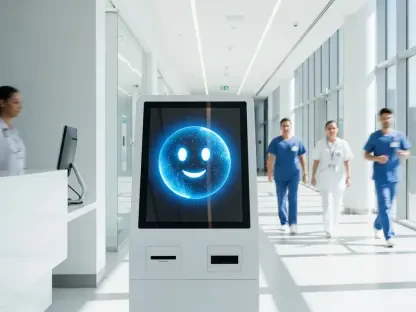

Recent health industry data reveals that nearly one-third of adult patients have started consulting general artificial intelligence platforms to interpret their symptoms or understand complex medical advice, often risking exposure to misinformation or generalized data. In response to this growing trend, Hartford HealthCare and K Health have introduced PatientGPT, a sophisticated AI-driven platform specifically designed to function as a secure and permanent bridge between individuals and their clinical providers. This localized tool addresses the critical need for a clinical alternative that is integrated directly into the healthcare system, ensuring that patients receive information vetted by medical logic rather than broad web-scraped content. By providing a safe environment for inquiries, the platform seeks to stabilize the often-turbulent digital health landscape. This transition represents a shift from speculative search engine results to a governed, data-driven dialogue that respects privacy laws while promoting transparency.
Integration: The Mechanics of Informed Patient Care
The primary function of PatientGPT revolves around its ability to provide personalized health education by securely accessing the specific medical records of an individual, rather than relying on generic data sets that lack clinical context. Unlike standard chatbots, this system was engineered to interpret complex medical terminology, allowing it to translate dense laboratory results into plain language and identify potential medication interactions based on the patient’s current prescriptions. Beyond simple translation, the tool facilitates immediate care access by allowing users to schedule in-person visits directly through the interface, which bridges the gap between digital curiosity and physical consultation. Furthermore, the platform provides clinicians with summarized transcripts of these patient interactions, ensuring that the medical team remains fully informed during subsequent appointments. This continuity of care is vital for maintaining the integrity of the patient-doctor relationship while adopting modern technology.
At the core of this initiative is a consumer-centric philosophy that prioritizes the human relationship within the healthcare ecosystem, ensuring that technology acts as a facilitator rather than a replacement. The developers have emphasized that PatientGPT does not operate autonomously; it does not diagnose conditions or prescribe treatments but instead serves as a resource for improving health literacy. Currently in a beta phase for a specific group of adult patients in Connecticut, the project demonstrates how health systems can meet individuals where they are by providing 24/7 access to information backed by professional oversight. By modernizing the healthcare experience, the partnership between Hartford HealthCare and K Health aims to foster a more engaged patient population that feels empowered to ask questions without feeling overwhelmed by technical jargon. This approach represents a pivotal turning point in how large language models are utilized to enhance clinical engagement while maintaining safety.
The successful initial integration of this large language model within a clinical setting demonstrated that health literacy improved when patients had immediate, secure access to their own data. Stakeholders observed that the most effective strategy involved treating the AI as a preparatory tool that streamlined the actual conversation between the doctor and the patient, rather than a standalone source of truth. Moving forward, providers determined that expanding these systems required rigorous validation of every generative output against established clinical protocols to prevent the hallucination of medical facts. The rollout in Connecticut suggested that future implementations should focus on integrating multi-modal data, such as imaging and historical trends, to provide even deeper context for patient inquiries. By establishing these frameworks, the healthcare industry moved toward a model where technology and human expertise coexisted to eliminate the confusion often caused by unfiltered online health searches.