
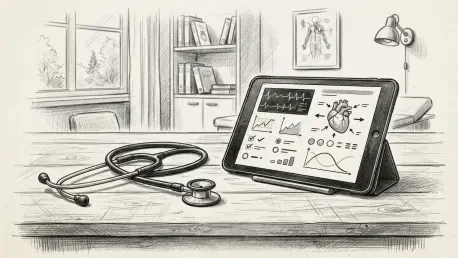
The frantic pace of a modern emergency department often forces clinicians to waste precious minutes toggling between software screens while patients wait for life-saving interventions. This digital fragmentation has long been the primary obstacle for healthcare technology, turning what should be
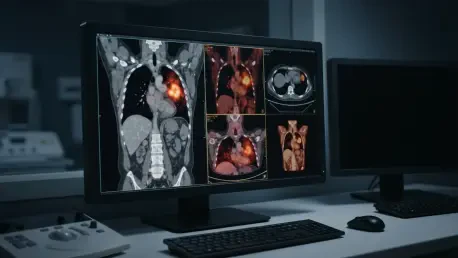
The transition from intensity-based to volume-based metabolic assessment represents a significant shift in how oncologists might predict early treatment failure. While traditional staging systems rely heavily on tumor size and lymph node status, they often overlook the metabolic intricacies that
Integrating AI technology into the existing teleradiology workflow allows Krsnaa to maximize the utilization of its capital assets without increasing fixed costs. This strategic partnership with Azmed reflects a broader movement within the healthcare sector to stabilize diagnostic accuracy while

The rising prevalence of multimorbidity among aging populations is forcing healthcare organizations to implement sophisticated risk-stratification tools for resource allocation. This shift represents a broader transformation within the global clinical risk grouping market, which is now operating at

Patients suffering from inherited muscle diseases often endure years of invasive procedures and inconclusive results during what researchers call a diagnostic odyssey. This grueling journey typically involves a battery of tests, ranging from painful muscle biopsies to repetitive magnetic resonance

Wastewater epidemiology and community-scale sensing reveal intimate biological data about entire neighborhoods, necessitating a shift from individual consent to community data sovereignty. As of 2026, the integration of miniaturized biosensors into the healthcare systems of low- and middle-income
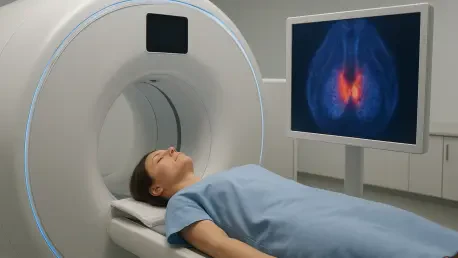
The diagnosis of metastatic medullary thyroid carcinoma is frequently hindered by the high physiological background activity of liver tissue in standard 18F-DOPA scans. This specific challenge is particularly problematic for patients with medullary thyroid carcinoma (MTC), a rare neuroendocrine
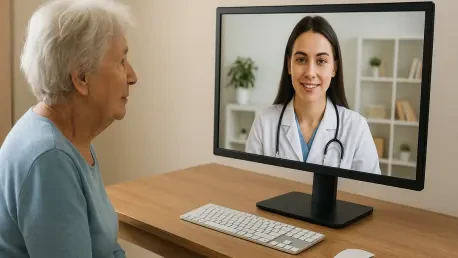
The high cost of long-term nursing home care, often exceeding $100,000 annually per person, highlights the urgent need for scalable home-based interventions that prevent institutionalization. As the population of aging veterans continues to grow, healthcare providers face a significant challenge in
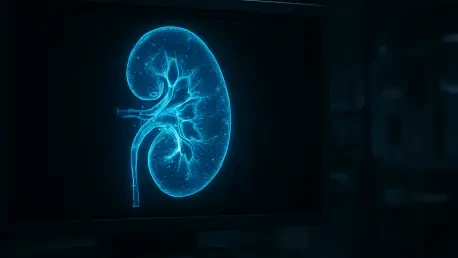
New research shows that the patient-level diagnostic accuracy for clear cell renal cell carcinoma reached ninety-eight percent when using CAIX-targeted molecular imaging. This finding represents a monumental shift in the diagnostic landscape of renal oncology, moving away from generalized metabolic
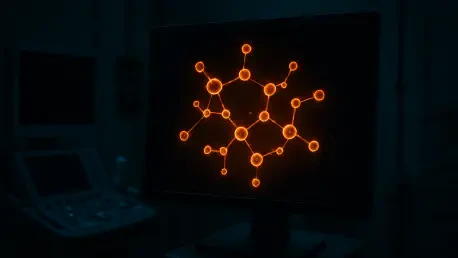
Molecular imaging using Ga-68-HER2 PET/CT provides a whole-body visualization of receptor expression that traditional anatomical scans simply cannot match. This breakthrough addresses a significant clinical hurdle in managing HER2-positive breast cancer, which represents nearly a quarter of all
1 2 3 4 5 6 7 8 9 10 11 12 13 14 15 16 17 18 19 20 21 22 23 24 25 26 27 28 29 30 31 32 33 34 35 36 37 38 39 40 41 42 43 44 45 46 47 48 49 50 51 52 53 54 55 56 57 58 59 60 61 62 63 64 65 66 67 68 69 70 71 72 73 74 75 76 77 78 79


