

The COVID-19 pandemic accelerated the adoption of telehealth, making virtual consultations a necessity. However, as the initial excitement wanes, patients now demand more advanced and seamless digital health experiences. This article explores how next-generation technologies like Artificial
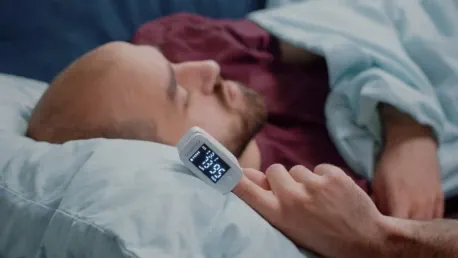
Obstructive sleep apnea (OSA) is an alarmingly prevalent condition that significantly impacts overall health and well-being, often remaining undiagnosed and untreated. Recent advancements in both technology and pharmacology are now embarking on a transformative journey, revolutionizing the ways OSA
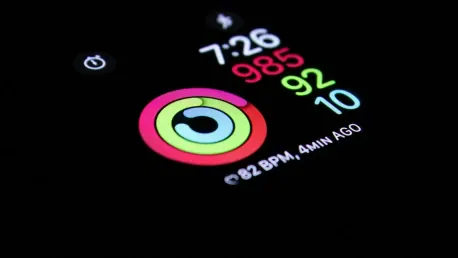
Apple has been steadily transforming its array of technology devices into essential health tools. This notable evolution includes the addition of heart rate tracking, ECG functionality, blood oxygen monitoring, and sleep tracking across the Apple Watch and iPhone, which integrates seamlessly with

The landscape of wearable health technology has evolved significantly since the launch of the first Fitbit in 2007. Initially, these devices were simple tools for tracking steps and calories, requiring manual syncing with a computer to view data. Today, wearable health tech offers advanced,

In a time when technology is increasingly intertwined with personal health management, wearable devices have emerged as pivotal tools that offer a wealth of continuous health data. Recent findings from Whoop, a fitness wearable company, have unveiled a novel biomarker for tracking menstruation,

Imagine a future where your clothes can monitor your health, communicate with other devices, and connect you effortlessly with the digital world without anyone even noticing. This vision of invisible wearables, poised to transform the way we interact with technology, is rapidly becoming a reality,