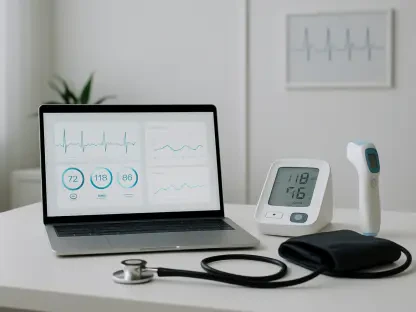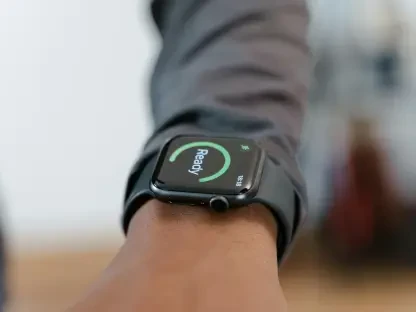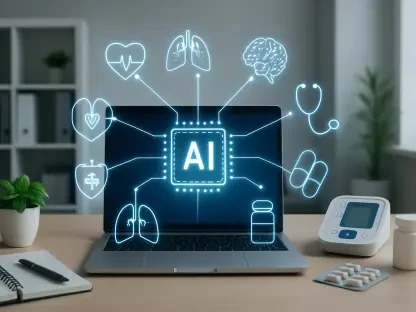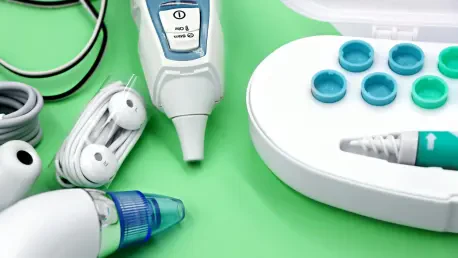

The sterile environment of a hospital ward is increasingly being traded for the familiar comfort of the living room as healthcare providers rethink the recovery process. With nearly one in five chronic care patients returning to a clinical setting within a month of discharge, the medical community is under immense pressure to find a sustainable solution. The “Home as a Healthcare Hub” initiative signals a pivotal transition, suggesting that the most effective way to keep patients stable is to equip them with professional-grade tools in a domestic setting. This shift represents a fundamental redesign of post-discharge recovery rather than a mere matter of convenience.
The Shift from Hospital Beds to Living Rooms
The traditional walls of the healthcare system are expanding to meet patients where they live. By moving clinical monitoring into the household, providers can observe recovery in a natural environment where lifestyle factors are more evident. This transition reduces the psychological burden on patients who often find hospital stays stressful or disruptive to their natural healing rhythm.
The focus is now on proactive management rather than reactive emergency care. Equipped with sophisticated monitoring tools, patients transition from passive recipients of care to active participants in their own health journey. This democratization of medical technology ensures that professional oversight remains constant even after the patient leaves the facility.
The Economic and Human Cost of the “Revolving Door”
Hospital readmissions represent a significant systemic failure that drains financial resources and dampens patient morale. Current data indicates that 30-day readmission rates hover around 13.9% for the general population, but that figure climbs to 18.4% for individuals managing long-term illnesses. This cycle creates a logistical nightmare for families who must navigate transportation, lost work hours, and the emotional toll of a recurring health crisis.
Perhaps most staggering is the financial reality where the cost of a secondary stay often eclipses the expense of the initial hospitalization. For the healthcare system at large, these preventable returns consume bed space and staff time that could be allocated to new cases. The home-based monitoring movement has moved from being a luxury to a necessity in stabilizing these rising costs.
Innovative Frontiers: The FDA’s Push for Home-Based Technology
The Center for Devices and Radiological Health is bridging the gap between professional care and domestic recovery through a focused Innovation Challenge. This program fast-tracks technologies that are intuitive enough for non-professionals yet sophisticated enough to provide clinical-grade data. One primary focus is user-centric design, ensuring that interfaces eliminate the need for specialized training so patients can operate devices accurately without constant supervision.
Moreover, the shift toward continuous remote monitoring allows for real-time data streams that alert providers to complications before they escalate into emergencies. By prioritizing devices that target high-risk conditions, the initiative addresses areas where traditional home care has historically fallen short. This regulatory collaboration provides manufacturers with a “fast lane” for feedback, allowing for refined testing protocols and quicker deployment to the public.
Evidence-Based Outcomes and the Expert Perspective
Regulatory experts emphasize that the selection process for these new technologies relies heavily on literature suggesting high feasibility for readmission reduction. By allowing innovators to demonstrate their technology within research facilities, a new standard was validated: the home can serve as a primary site for sophisticated healthcare delivery. This validation provided a layer of credibility that encouraged both providers and insurance payers to embrace these devices as core components of the care continuum.
The consensus remains that data-driven home care improves long-term patient outcomes by catching physiological shifts early. When clinical oversight is integrated into daily life, the “white coat syndrome” that often skews data in a hospital setting is eliminated. This leads to more accurate diagnostics and more personalized treatment plans that reflect the patient’s true physical state.
Strategies for Integrating Home Medical Devices into Daily Recovery
For the transition to be successful, patients and providers had to adopt a structured approach to utilizing new technology. Implementing these devices involved more than just reading a manual; it required a strategic framework for long-term health management. Users were encouraged to establish a data baseline immediately upon discharge to make it easier to spot deviations from their “normal” vital signs.
Families also played a crucial role by engaging in caregiver training modules to ensure troubleshooting could happen in real-time. Clinicians worked with patients to set actionable thresholds, defining specific data points that triggered a phone call versus those requiring a return to the clinic. These steps ensured that home medical devices functioned as a reliable safety net, successfully lowering the barriers to a full and uninterrupted recovery.