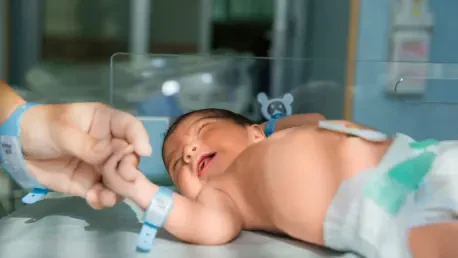

James Maitland has spent his career stitching together robotics, sensors, and cloud intelligence to solve real problems at the bedside. That blend of hands‑on engineering and clinical pragmatism shows up in how he talks about seizure detection for the most fragile patients—newborns, including preterm infants. In this conversation, he unpacks how updated ACNS guidance and a string of FDA 510(k) clearances opened the door for neonatal use; how electrode caps, algorithms, and workflow redesign compress the time from suspicion to treatment; and how learnings from pilots reshaped labeling and hardware for tiny heads. We also explore adoption inside roughly 200 client hospitals with NICUs and expansion to about 280 children’s hospitals, what drove a 37% revenue jump to $64.3 million in the first nine months of 2025, and why the company sees an added $400 million market in neonatal and pediatric care. Throughout, Maitland ties policy and engineering choices to bedside realities—training nurses, safeguarding against alarm fatigue, and measuring outcomes that matter.
What tipped the balance for FDA 510(k) clearance in neonates, which data or use cases proved decisive, and how did your team frame risk for preterm versus term babies during submissions?
The turning point was aligning real‑world use cases with a clear predicate pathway and risk narrative tailored to neonatal physiology. We brought forward evidence that the algorithm, already cleared in older populations, processes EEG from our headcap to identify electrographic seizures—including subclinical events that clinicians simply can’t see. What resonated with reviewers was that our workflow reduces time to monitoring and enables continuous surveillance in acute settings, complementing conventional EEG rather than replacing it. In framing risk, we separated term from preterm considerations—skin fragility, skull compliance, and thermoregulation—then documented mitigations in labeling, training, and hardware design. The updated infant headcap label in October, explicitly including newborns and preterm babies, reflected that diligence and the feedback we heard in pilots about being crystal clear for this vulnerable group.
The ACNS updated guidelines back your approach, how did those changes shape your evidence plan, and what specific neonatal high‑risk scenarios do you target first in practice?
The ACNS endorsement of continuous EEG in high‑risk neonates gave us a shared clinical compass. It let us prioritize evidence generation around populations where continuous monitoring is standard‑of‑care‑aspirational: hypoxic‑ischemic encephalopathy, intracranial hemorrhage, stroke, and sepsis with encephalopathy. We structured data collection to show that faster initiation and continuous surveillance surface electrographic seizures early enough to change management, aligned with those guidelines. In practice, we start where the risk/benefit is obvious—post‑resuscitation neonates under therapeutic hypothermia, preterm infants with grade III–IV hemorrhage concerns, and babies with unexplained apnea or abnormal tone—so teams can see the impact quickly.
Walk me through the Clarity algorithm in the NICU, from electrode placement with the headcap to detection and alerting, and share typical setup times, training steps, and who acts on alerts.
The flow is deliberately simple. A trained nurse or fellow sizes the neonatal headcap, aligns landmarks, and seats the integrated electrodes; conductive interface is verified with an on‑device impedance check, and within minutes the EEG stream is live to the algorithm. The algorithm continuously analyzes for seizure‑like rhythmicity and pattern evolution, and when a threshold is met, it generates an alert at the bedside and to the monitoring station so the care team can review the trace. Setup is designed to be measured in minutes, not hours, because speed is the entire point in acute care. Nursing typically initiates, pediatrics or neonatology reviews the alert, and neurology confirms and advises treatment, creating a tight loop from detection to decision.
How does Clarity detect electrographic seizures that lack visible signs, what signal features matter most, and can you share sensitivity, specificity, and false alarm rates from pilots?
Subclinical seizures hide in plain sight, so we focus on the EEG’s temporal and spatial dynamics—rhythmicity, frequency evolution, and morphology changes—that don’t require any visible motor correlate. The model is tuned to neonatal background patterns, discriminating between benign discontinuity and pathologic rhythmic activity. In pilots, clinicians told us the alerts surfaced events they would have otherwise missed, with a manageable rate of nonactionable notifications during early adoption. We’re not disclosing specific sensitivity or specificity figures prior to peer‑reviewed publication, but performance aligned with expectations from our cleared use in older children, and sites reported that accuracy improved further as teams refined their review practices.
Your pilots surfaced requests for explicit preterm labeling, what feedback did clinicians give, and how did it change headcap design, materials, or fit for very small heads?
Clinicians were candid: if the label didn’t explicitly say “preterm,” they were hesitant to use it on the tiniest babies. They asked for gentle materials, secure but non‑compressive fit, and guidance on placement that respects fontanelles and fragile skin. We responded by tightening the label—now explicitly including newborns and preterm infants—along with refinements to fit range and interface pressure. Small tweaks, like softer contact materials and clearer sizing markers, came straight from bedside teams who had their hands on the cap at 3 a.m.
Conventional EEG can be slow in acute care, where exactly do delays happen, and how do your workflow and hardware shorten the path from suspicion to treatment?
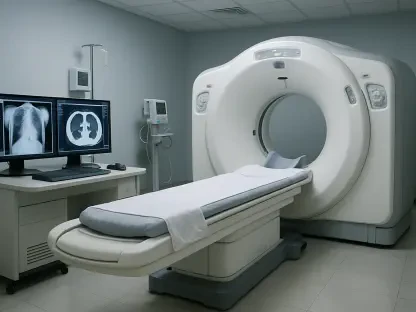
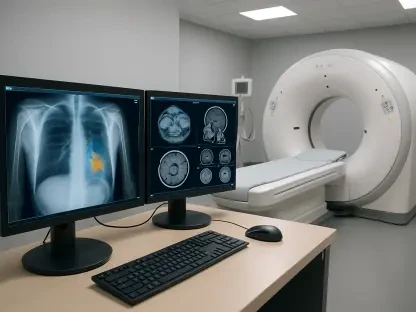
The traditional bottlenecks are well known: waiting for a technologist, placing many electrodes one by one, and transporting or configuring bulky equipment. In a NICU, those steps can stretch from suspicion to first data by hours, which is too long if seizures are frequent and silent. Our approach collapses that timeline by enabling trained nurses to place a dedicated headcap quickly and stream data immediately to the algorithm. Instead of waiting, clinicians start continuous monitoring at the bedside, then escalate to neurology with concrete EEG evidence, accelerating the decision to treat or watch.
You cited case studies that found seizures earlier or avoided unnecessary treatment, could you unpack one or two, including timelines, meds avoided or used, and patient outcomes?
One representative case involved a term neonate post‑resuscitation under hypothermia who looked clinically quiet but became increasingly irritable. The cap was placed quickly, and within a short window the algorithm flagged electrographic seizures that had no outward signs; treatment followed promptly, and the seizure burden fell on subsequent monitoring. In another scenario, a preterm infant with recurrent desaturations triggered concern for seizures; continuous monitoring showed no electrographic correlates, allowing the team to withhold antiseizure medication and pursue other causes. Those experiences, echoed across sites, illustrate both sides of value—treat early when it’s real, and avoid unnecessary drugs when it’s not.
You’ve cleared a child headcap in 2023 and an updated infant label in October, what were the most challenging test protocols, and which failure modes did you have to engineer around?
The toughest challenges centered on reliable signal quality in tiny heads without compromising skin integrity. We stress‑tested fit across head sizes, motion scenarios, and long wear times, watching for slippage, hot spots, or impedance drift. Electrical safety and biocompatibility are table stakes, but in neonates we also modeled heat buildup and pressure points to avoid localized irritation. The failure modes we engineered around were predictable—loss of contact during care maneuvers, sweat or vernix affecting interface, and over‑tightening—so we built in clearer tension cues and quick‑recheck routines.
With clearance for kids 1+ in April and now neonates, how did the algorithm adapt across ages, and what tuning or re‑training was needed for different brain maturational patterns?
Brains change rapidly from prematurity to childhood, and the EEG background evolves with them. We adapted by tuning detection parameters to age‑appropriate rhythms and discontinuity, ensuring the model doesn’t over‑call normal neonatal patterns or miss slower, focal events in older children. The underlying approach is consistent, but thresholds and feature weights reflect developmental context. That’s why having separate clearances—first for one year and older, and now neonates—matters clinically and technically.
You work with about 200 hospitals that have NICUs, how will you expand inside those systems, and what adoption playbook—stakeholders, champions, training hours—has worked best?
Inside existing client systems, we start with NICUs tied to engaged neurology services, then scale to satellite units as competency grows. The playbook centers on a multidisciplinary champion team—neonatology, neurology, nursing leadership, and biomed—who co‑own protocols and training. We keep training compact and hands‑on, pairing simulation with bedside go‑lives and rapid feedback loops. Regular case reviews in the first month help teams calibrate, reduce nonactionable alerts, and cement confidence.
You plan to target roughly 280 children’s hospitals, what unique hurdles appear there compared to adult sites, and how will you handle credentialing, staffing, and 24/7 coverage?
Children’s hospitals run on pediatric‑specific credentialing and often have high bar expectations for human factors and family‑centered care. We prepare by aligning our training with pediatric competencies, building 24/7 coverage plans that leverage cross‑trained nurses and tele‑neurology, and ensuring equipment is ready for transport and procedural workflows unique to kids. Governance matters, so we engage clinical practice councils early to codify use criteria and escalation. The goal is to arrive with answers on staffing and safety rather than questions.
You estimate a $400 million neonatal/pediatric market, how did you model that number—install base, utilization per bed, or subscription metrics—and what ramp do you expect year by year?
That $400 million opportunity sits on top of a broader $2 billion addressable market and reflects expanding use in neonates and children. The model considers the number of NICUs and children’s hospitals we can serve, utilization patterns for high‑risk beds, and enterprise deployments across systems. We see near‑term expansion by deepening adoption in about 200 hospitals we already serve and adding roughly 280 children’s hospitals where our presence is nascent. The ramp should track clinical guideline momentum and operational readiness, with growth compounding as early adopters become reference sites.
Sales hit $64.3 million in the first nine months of 2025, up 37% over 2024, what drove that growth, which segments contributed most, and what leading indicators do you watch?
The growth reflects two vectors: acquiring new accounts and expanding into NICUs within existing client hospitals. Adult acute care stayed strong, but pediatric and neonatal clearances opened doors and sped decisions. Leading indicators we track include time‑to‑value after go‑live, alert review turnaround, and cross‑department adoption inside a hospital—those correlate with durable usage and renewal. The 37% increase to $64.3 million tells us the market is responding to faster diagnosis and continuous monitoring where conventional EEG struggles.
How do you price NICU deployments, what reimbursement pathways or DRGs support usage today, and what evidence are you building to strengthen payer coverage?
We align pricing with enterprise value—coverage across units, training, and continuous software improvements—so hospitals can scale without friction. From a reimbursement standpoint, usage dovetails with established pathways for EEG monitoring and NICU care bundles, which hospitals already navigate. To strengthen coverage, we’re building evidence that ties detection speed and continuous monitoring to downstream outcomes—reduced unnecessary medication, more targeted therapy, and operational efficiencies. Payers respond to credible clinical endpoints plus pragmatic measures like length of stay and resource utilization.
What guardrails exist for alarm fatigue, how do you set thresholds or escalation logic, and how do teams review alerts to improve precision without missing silent seizures?
We start with conservative thresholds validated in training and tune them with each site during the first weeks. Escalation logic routes alerts to the bedside and central monitoring, with a short verification step before paging neurology, which helps filter noise without delaying care. Weekly multidisciplinary huddles review alert analytics and sample traces to adjust parameters and reinforce recognition patterns. Over time, this shared calibration reduces nonactionable alarms while preserving sensitivity to silent seizures.
How do you train nurses and fellows to place the headcap on preterm infants safely, what common mistakes you see, and what checklists or job aids reduce re‑placements?
Training is tactile and visual: sizing by landmarks, gentle tensioning, and a quick impedance check before stepping away. Common early errors are over‑tightening, misalignment over fontanelles, and skipping a re‑check after repositioning the baby. We counter those with a two‑minute checklist—fit, align, confirm, and re‑confirm after care maneuvers—and laminated job aids at the bedside. Coupled with short refreshers during the first month, those steps cut re‑placements and protect fragile skin.
What real‑time data do clinicians see at the bedside versus remotely, how do you integrate with the EMR, and can you outline a step‑by‑step response to a positive alert?
At the bedside, teams see live EEG trends and alert status; centrally, clinicians can review traces and context to decide on escalation. Integration focuses on documenting key events—start time, alerts, and clinical actions—into the EMR so the care story is complete. A typical response looks like this: bedside receives alert, verifies cap integrity, and notifies the provider; the provider reviews the trace, correlates clinically, and orders treatment or continued monitoring; neurology confirms and guides next steps, and the action is documented. Closing the loop with post‑alert review ensures learning feeds back into better precision.
Looking ahead, what features or studies are next—prospective trials, outcome endpoints, or AI updates—and how will you measure impact on length of stay, meds used, and neurodevelopment?
We’re focused on prospective studies that connect early electrographic seizure detection to tangible outcomes—time to treatment, medication exposure, and operational metrics in the NICU. On the AI front, we’ll continue refining age‑specific models and usability features that guide placement and quality checks in real time. Impact measurement will marry clinical endpoints with health‑economic outcomes, capturing length of stay and resource utilization, while planning longitudinal follow‑up for neurodevelopment where feasible. The bar is to show not just that we can detect seizures, but that doing so meaningfully improves care for neonates and children.
Do you have any advice for our readers?
Start with a clear clinical problem and design backward from the bedside realities—who places the device, who reviews the data, and how fast decisions get made. Let guidelines, like the ACNS updates, anchor your evidence plan, but collect pragmatic metrics that matter to nurses and physicians on the floor. When you hear pointed feedback—like the call for explicit preterm labeling—treat it as a design requirement, not a suggestion. Above all, measure your impact with humility and rigor; in neonatal care, speed and gentleness must always travel together.