
A profound transformation is reshaping modern medicine, shifting the central challenge from a scarcity of information to an overwhelming abundance of it, and nowhere is this paradigm shift more apparent than in the complex world of diabetes management. The proliferation of connected health devices has created an unprecedented torrent of patient-generated data, promising a future of highly personalized care. However, this deluge of information has simultaneously exposed a critical vulnerability in the healthcare system: the human capacity to interpret and act upon this data in a timely and effective manner. As clinicians find themselves inundated, a new class of technology is emerging not just as a helpful tool but as an essential component for translating vast data streams into decisive, life-improving clinical action, fundamentally redefining the standard of care for chronic conditions.
The Data Deluge and a System Under Strain
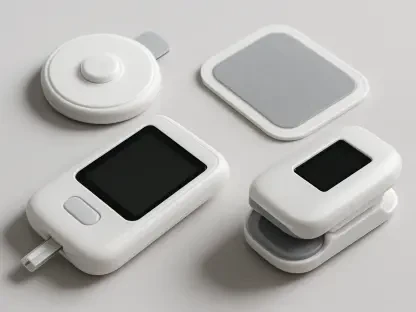
The traditional approach to diabetes management, once reliant on infrequent clinical visits and a handful of isolated data points, has been rendered obsolete by advancements in patient monitoring. Technologies like continuous glucose monitors (CGM) now offer a high-fidelity, minute-by-minute view of a patient’s metabolic state, capturing intricate responses to meals, physical activity, stress, and sleep. While this continuous stream of information holds immense potential for tailoring treatments with unparalleled precision, it has also introduced a significant operational challenge. Clinicians are now faced with an avalanche of complex data that is difficult to process within the constraints of a standard appointment, placing diabetes at the turbulent intersection of massive data, a wide array of connected devices, and an ever-expanding suite of therapeutic options, creating a new form of clinical pressure.
This flood of real-time information has starkly illuminated a fundamental disconnect between the nature of modern health data and the structure of the healthcare system designed to utilize it. Patients with diabetes now produce a continuous stream of actionable data around the clock, yet the care delivery model remains largely episodic, built around brief appointments scheduled months apart. This operational mismatch creates a dangerous gap where critical patterns, trends, and risks that emerge between visits often go unaddressed. The problem is further compounded by a severe shortage of endocrinologists and the immense burden placed on primary care providers, who must manage diabetes alongside numerous other chronic conditions. This scarcity of specialist capacity makes the ideal of proactive, continuous management an operational impossibility under the current model.
Bridging the Divide with Intelligent Technology
In response to these systemic pressures, clinical decision-support (CDS) software is evolving from a peripheral tool into a core component of the clinical workflow, serving as the essential bridge between raw data and improved patient outcomes. These sophisticated platforms are engineered to perform the analytical heavy lifting, sifting through complex, continuous data streams from various sources and translating them into clear, actionable, and evidence-based guidance. Rather than simply adding more graphs and charts to a clinician’s screen, CDS software synthesizes the information into concise recommendations for treatment adjustments, such as insulin titration. This empowers providers to make faster, more confident, and better-informed decisions, supporting the continuity of care not only during appointments but, crucially, in the periods between them.
A significant consequence of the current data-rich, time-poor environment is the unwarranted variability in the quality of care. Patients with nearly identical clinical profiles often receive different treatment recommendations based on the individual provider’s comfort level with interpreting complex data trends or the time available for analysis. This inconsistency is not a reflection of clinical negligence but a flaw rooted in a system that relies on manual, time-constrained human judgment to manage an overwhelming volume of information. By codifying expert knowledge and evidence-based best practices into validated algorithms, CDS platforms help standardize the decision-making process. This technological assist reduces guesswork and ensures that every patient benefits from a more consistent and equitable standard of care, leading to more predictable outcomes and a more efficient use of healthcare resources.
Establishing a New Standard of Care
The integration of clinical decision-support into routine practice has been a deliberate and carefully regulated process, underscoring its critical role in patient health. Because these software platforms directly influence treatment decisions that impact patient safety and well-being, they must undergo rigorous clinical validation to prove their efficacy and reliability. Many of these systems require clearance from regulatory bodies like the FDA, a process that ensures only high-quality, dependable platforms are adopted into the healthcare ecosystem. This stringent oversight has been instrumental in building trust among clinicians and health systems, cementing the transition of CDS from a futuristic concept into a validated, indispensable part of the medical toolkit. This deliberate adoption pathway has ensured that these powerful tools are both safe and effective in real-world clinical settings.
The evolution and adoption of this technology signaled that a new era of chronic disease management had arrived. The future of effective diabetes care hinges not merely on the ability to collect more data but on leveraging intelligent systems to make better, more consistent decisions at scale. For healthcare organizations, CDS software has offered a tangible path toward mitigating the profound effects of specialist shortages and overwhelming clinical workloads. By scaling specialized expertise through sophisticated algorithms, these platforms have empowered a wider range of providers, including primary care physicians, to manage complex conditions with greater confidence and consistency. This shift has not only improved the quality of care but has also paved the way for a more predictable, efficient, and equitable healthcare system for all patients.