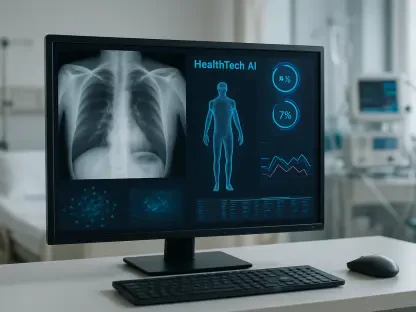

The healthcare landscape has reached a point where clinical intuition must be paired with precise algorithmic insights to ensure that patient safety and operational efficiency remain at the highest possible standards. As medical facilities transition into more integrated models of care, the need for a professional who can bridge the gap between complex data sets and frontline medical practice has become more pressing than ever before. This is where the Quality Improvement Decision Support Specialist enters the frame, acting as a crucial architect for modern health systems. By synthesizing technical analytics with actual clinical workflows, these specialists help multidisciplinary teams move away from reactive troubleshooting toward a proactive, evidence-based strategy. This role is not merely about managing numbers; it is about fostering a culture of continuous advancement through change management, leadership, and the seamless adoption of digital health tools that define the current era of medicine.
Driving Quality through Strategic Planning
The development of a Quality Improvement Plan serves as the foundational blueprint for any health organization aiming to elevate its standard of service. These specialists work alongside executive directors and primary care providers to translate abstract organizational goals into actionable metrics that can be monitored in real time. By establishing specific, measurable, achievable, relevant, and time-bound indicators, they create a framework where every staff member understands their role in the broader mission of patient care. This strategic alignment ensures that clinical teams are not just working harder, but working smarter by focusing on high-impact areas such as chronic disease management or preventative screening protocols. The process requires a deep understanding of local population health needs, allowing for the customization of care delivery models that reflect the unique challenges of the community while adhering to broader institutional mandates for excellence and safety.
Beyond initial planning, the role involves a constant cycle of evaluation and refinement to address operational inefficiencies that often go unnoticed during daily clinical routines. Specialists use root cause analysis and workflow mapping to identify bottlenecks in patient flow, ensuring that resources are allocated where they are most effective. This proactive approach helps in identifying service gaps before they manifest as patient safety concerns or significant financial losses for the health team. By maintaining a high-level view of the entire organization, the specialist can implement change management strategies that encourage clinical staff to adopt new, more efficient habits. This transition is often supported by robust evaluation methods that provide immediate feedback on the success of new initiatives, allowing for rapid adjustments when a particular strategy does not yield the expected results. The goal is to build a resilient system that thrives on feedback and continuous learning at every level.
Modernizing Care with Digital Innovation
One of the most visible impacts of this role is the successful integration of digital health tools that streamline the interaction between patients and the medical team. In the current year, tools such as eReferral systems and online appointment booking platforms have transitioned from being optional conveniences to essential components of a modern practice. The specialist oversees the deployment of these technologies, ensuring they are fully integrated into existing Electronic Medical Records to prevent data silos. Additionally, the introduction of AI-driven scribes has significantly altered the clinical landscape by automating the documentation process, allowing physicians to focus entirely on the person sitting across from them rather than a computer screen. These innovations are not merely about replacing manual tasks but about redesigning the care experience to be more intuitive, responsive, and patient-centered, ensuring that the technology serves the human element of medicine rather than complicating it.
The adoption of such advanced technologies also plays a critical role in addressing the pervasive issue of clinician burnout within the healthcare sector. By automating repetitive administrative tasks and streamlining communication through digital portals, the specialist reduces the cognitive load on healthcare providers, which in turn improves the quality of patient interactions. This modernization effort extends to the way data is shared across different sites, where interoperable systems allow for a more cohesive care journey for patients moving between primary care and specialty services. The specialist must navigate the complexities of software implementation, providing the necessary training and support to ensure that every team member is comfortable with the new digital environment. Through this careful management of digital transitions, the organization can maintain a competitive edge while ensuring that the primary focus remains on delivering high-quality, accessible care to all segments of the population.
Managing Data Integrity and Reporting
At the heart of every successful quality improvement initiative lies a commitment to data integrity and the meticulous management of information within Electronic Medical Records. The specialist is responsible for the entire lifecycle of this data, from the initial collection points to the final presentation of performance reports. This involves cleaning and organizing vast datasets to ensure that the information used for clinical decision-making is both accurate and reflective of actual patient outcomes. By developing custom tools within the EMR, the specialist can enhance workflow efficiency, making it easier for clinicians to input data correctly at the point of care. This technical oversight is essential for maintaining the reliability of the system, as even minor errors in data entry can lead to significant discrepancies in reporting and subsequent clinical strategy, making the specialist a vital guardian of the medical information infrastructure.
Beyond internal data maintenance, the specialist fulfills an essential regulatory role by generating user-friendly reports that meet the stringent requirements of provincial health bodies. These reports provide a transparent look at organizational performance, allowing for external validation of the quality of care being delivered. This process of reporting is not merely a bureaucratic necessity; it is a tool for accountability that ensures the organization remains compliant with provincial mandates and standards. By translating complex data sets into clear, visual representations, the specialist makes it possible for stakeholders at all levels to understand the progress being made toward key health objectives. This transparency builds trust with both the public and funding agencies, securing the necessary support for continued growth and innovation. Through this rigorous approach to data management, the specialist ensures that every decision made within the organization is supported by a foundation of truth.
Fostering Collaboration and Best Practices
To ensure that improvements are not confined to a single clinic, the specialist acts as a central liaison between various sites and provincial colleagues to facilitate the sharing of knowledge. Frequent site visits allow the specialist to assess the unique needs of different clinical teams and provide tailored support that addresses local challenges. By organizing and attending quarterly partnership meetings, they create a forum where providers can discuss successful strategies and learn from one another’s experiences. This collaborative framework is essential for spreading best practices across the entire network, ensuring that a patient receives the same high standard of care regardless of which facility they visit. The specialist’s ability to build relationships and communicate across different professional disciplines is what allows for the successful implementation of shared workplans that align diverse teams toward a common goal of excellence.
The ultimate success of the Quality Improvement Decision Support Specialist was historically measured by the tangible shifts in patient outcomes and the increased efficiency of the healthcare teams they supported. By integrating health informatics with compassionate leadership, these professionals provided the roadmap for a more resilient and responsive medical system. Organizations that invested in these specialized roles found themselves better equipped to handle the complexities of modern medicine, from digital transformation to rigorous data compliance. Moving forward, the emphasis shifted toward deeper integration of predictive analytics and even more sophisticated change management techniques to keep pace with rapid technological advancements. The work performed by these specialists ensured that the healthcare environment remained a place where data served humanity, creating a legacy of precision and care that continued to benefit both providers and patients in an increasingly complex and interconnected world.