
The delivery of healthcare is undergoing a fundamental transformation, shifting from the traditional confines of clinics and hospitals directly into patients’ homes. This evolution is being powered by a wave of technological innovation, and at its forefront is the Remote Patient Monitoring (RPM) system market. Currently on a trajectory of explosive growth, this sector was valued at $13.2 billion in 2024 and is now projected to expand to an impressive $50.4 billion by 2035. This remarkable financial forecast, underpinned by a compound annual growth rate (CAGR) of 12.9%, signals more than just a market trend; it represents a profound and lasting shift toward a more connected, proactive, and decentralized model of patient care. The surge is not driven by a single factor but by a powerful convergence of public health needs, technological advancements, and economic imperatives, creating significant opportunities for innovation and investment across the global healthcare landscape.
A Confluence of Catalysts Driving Unprecedented Growth
The remarkable expansion of the RPM market is primarily fueled by urgent public health demands and significant demographic shifts. A central catalyst is the escalating global prevalence of chronic diseases such as diabetes, cardiovascular disorders, and respiratory illnesses. These long-term conditions necessitate continuous monitoring of vital signs and physiological data to effectively manage patient health and prevent acute, costly medical crises. RPM systems provide an elegant and effective solution, enabling ongoing, real-time tracking without the burden of frequent clinical visits. This need is further amplified by the aging global population, particularly in developed nations across North America and Europe. This demographic trend is intrinsically linked to a higher incidence of chronic ailments and a greater need for long-term care solutions. RPM technology directly addresses this by enabling “aging in place,” allowing elderly individuals to maintain independence in their homes while receiving high-quality medical oversight, thereby reducing the strain on hospitals and long-term care facilities.
Simultaneously, the market’s growth is fundamentally enabled by rapid technological innovation and compelling economic incentives. The proliferation of sophisticated wearable sensors, the seamless connectivity of Internet of Things (IoT) platforms, the development of intuitive mobile health applications, and the scalability of cloud-based data solutions are making real-time monitoring more accurate, accessible, and user-friendly than ever before. These advancements are not happening in a vacuum; they are a direct response to the immense economic pressures facing healthcare systems worldwide. Rising costs are compelling providers and payers to seek more efficient and cost-effective models of care. RPM systems contribute significantly to this goal by minimizing the need for hospitalizations, shortening the length of inpatient stays, and preventing expensive emergency room visits. This aligns perfectly with the broader industry transition from a traditional fee-for-service model to patient-centric, value-based care, which prioritizes positive health outcomes and fiscal responsibility.
Deconstructing a Diverse and Multifaceted Market
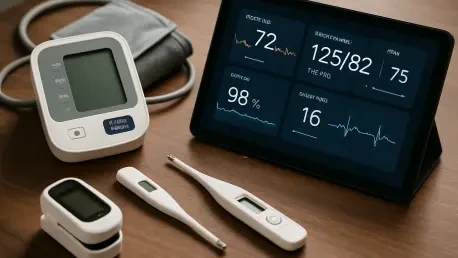
To fully grasp the RPM landscape, it is essential to understand its diverse segmentation, which is designed to address the varied needs of the entire healthcare ecosystem. At its core, the market is classified by the specific devices and monitoring types they support. This encompasses a wide array of vital sign monitors that track key health indicators with precision. Prominent categories include specialized cardiac monitoring devices like electrocardiogram (ECG) monitors for patients with cardiovascular conditions, blood glucose meters crucial for the daily management of diabetes, blood pressure monitors for controlling hypertension, and pulse oximeters used for monitoring blood oxygen saturation in individuals with respiratory illnesses. The application of these technologies is just as varied, with chronic disease management standing as the largest and most dominant use case. Following closely is post-acute care, where RPM is used to monitor patients after hospital discharge to reduce the risk of readmission, a major focus for healthcare quality and cost-containment initiatives.
Beyond the specific hardware, the market is also structured by its underlying components and the settings in which it is deployed. The technological infrastructure is typically broken down into three key areas: hardware, which includes the physical monitoring devices themselves; software, encompassing the platforms and applications used for data analysis, visualization, and clinician alerts; and services, which cover implementation, training, and ongoing data management support. The end-users of these integrated systems are equally diverse. Hospitals utilize RPM to monitor discharged patients and better manage bed capacity, while clinics and physician offices deploy it to manage large patient panels with chronic conditions more effectively. While these settings are major adopters, the most rapid expansion is occurring in homecare settings. This growth is overwhelmingly driven by patient preference for convenience, comfort, and the ability to remain in a familiar environment, signaling a permanent shift in how and where care is delivered.
The Global Landscape and Competitive Dynamics
The adoption and maturation of RPM systems vary significantly across different regions, influenced by factors such as healthcare infrastructure, regulatory frameworks, and government investment in digital health. Currently, North America stands as the leader in the global RPM market. This dominance is attributed to the widespread adoption of telehealth services, a robust and technologically advanced healthcare system, the strong presence of key device manufacturers, and comparatively favorable reimbursement policies that incentivize the use of remote monitoring. Europe follows as another major market, with countries like Germany, the United Kingdom, and France demonstrating strong uptake of advanced monitoring systems as part of their national health strategies. However, the most dynamic growth is projected to come from the Asia-Pacific (APAC) region, which is identified as the fastest-growing market. This rapid expansion is fueled by increasing healthcare expenditures, swift technological adoption, supportive government initiatives promoting digital health, and an enormous patient population in countries like China, India, and Japan.
The competitive landscape of the RPM market is a vibrant and dynamic space, featuring a compelling mix of established medical device giants, global technology corporations, and agile, specialized digital health companies, all competing for market share. Industry leaders such as Philips, Medtronic, Abbott Laboratories, and Boston Scientific leverage their extensive experience in medical technology and vast distribution networks to maintain a strong foothold. They are joined by technology integrators like Cisco and Qualcomm, which provide the critical connectivity and platform infrastructure that powers these systems. The field is further enriched by specialized RPM and telehealth companies, including Biotelemetry and AliveCor, which bring focused innovation and user-centric designs to the market. These key players are not standing still; they are actively and aggressively investing in the research and development of more innovative devices, sophisticated software platforms, and seamlessly integrated IoT-enabled solutions to capitalize on the rising global demand for effective and efficient remote healthcare.
Strategic Investment and Healthcare Transformation
The robust growth of the RPM sector is firmly supported by a dynamic global funding environment and its alignment with major strategic themes in modern healthcare. In 2025 alone, global funding for digital health reached an impressive $28.8 billion. While the United States continues to lead in overall investment, capital flow is accelerating rapidly in Europe and is on a significant upward trend in both the Asia-Pacific and the Middle East. This influx of capital is critical for fueling the research, development, and scaling of new RPM and other digital health technologies. Furthermore, this private investment is complemented by support from multilateral organizations. Global funds from entities such as the World Bank’s Health System Transformation & Resilience Fund and Gavi are actively supporting health system modernizations that emphasize digitalization, improved primary care accessibility, and workforce expansion, creating a fertile ground for RPM adoption.
Looking at the bigger picture, the widespread push for RPM is perfectly in tune with several overarching goals that are shaping the future of global health policy. These systems are instrumental in the drive toward achieving Universal Health Coverage (UHC) by extending the reach of healthcare services to underserved and remote populations, making quality care more accessible and equitable. They represent a core component of the broader digital health innovation wave, which also includes advancements in telemedicine and AI-powered diagnostics. Moreover, RPM solutions serve as essential tools for strengthening and augmenting the modern health workforce, allowing clinicians to manage larger patient populations more efficiently and focus on those in most urgent need of intervention. Ultimately, the adoption of Remote Patient Monitoring had been a critical step in developing the sustainable financing and proactive care delivery models necessary to ensure the long-term resilience and effectiveness of health systems worldwide.