
The silent and persistent challenge of managing chronic conditions like hypertension places an immense burden on both patients and the healthcare system, demanding innovative solutions that are both clinically effective and economically sustainable. A groundbreaking, real-world analysis from UC San Diego Health provides a compelling answer, demonstrating that Remote Patient Monitoring (RPM) serves as a potent and scalable strategy for controlling high blood pressure, particularly for complex patients juggling multiple chronic conditions. The research, detailed in JMIR Cardio, moves beyond theoretical trials to offer a timely examination of a team-based, reimbursable digital health program. Its findings underscore a crucial reality in modern medicine: technology-enabled, data-driven interventions can produce substantial improvements in health outcomes while simultaneously addressing the significant financial pressures that chronic diseases impose on health systems, heralding a new, more efficient approach to long-term care.
A Data-Driven Approach to Hypertension Control
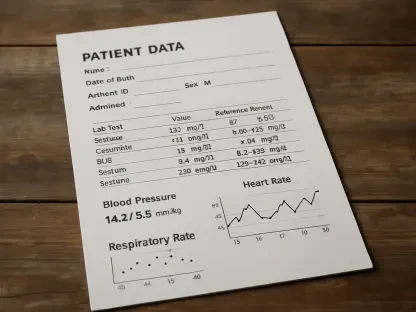
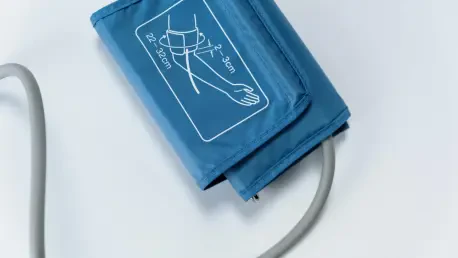
The investigation was anchored by UC San Diego’s Digital Health Program, which successfully enrolled a diverse cohort of over 2,200 adult patients into a sophisticated monitoring ecosystem. The program’s innovative model was built around the seamless integration of Bluetooth-enabled blood pressure cuffs directly with the institution’s electronic health record (EHR) system. This direct data pipeline empowered a centralized clinical team to access and analyze real-time patient readings, allowing for timely and precise management of treatment protocols without the need for frequent in-person visits. The study’s primary outcome revealed a significant reduction in systolic blood pressure (SBP) across various patient demographics. For individuals whose primary struggle was managing hypertension as a sole chronic condition, the program yielded an impressive average SBP reduction of nearly 10 mm Hg (9.76). Crucially, these benefits were not confined to simpler cases; the positive effects extended robustly to more complex patient populations, where individuals managing hypertension alongside one or two other chronic diseases still achieved a statistically significant SBP reduction of 6.6 mm Hg.
A more profound insight emerged when the researchers segmented the data to analyze the impact of patient engagement, a critical factor in the success of any digital health initiative. Recognizing that not all individuals referred to the program would utilize the technology with the same consistency, the study created a distinction between the entire enrolled cohort and a subgroup of “active participants,” defined as those who submitted at least one blood pressure reading from their home. The clinical results for this actively engaged group were markedly more impressive, providing definitive evidence that consistent participation exponentially amplifies the therapeutic benefits of the intervention. For active participants with hypertension alone, the average SBP reduction was a substantial 16.83 mm Hg. For those with one additional chronic condition, the reduction was 13.22 mm Hg, and for patients managing a complex profile of three total chronic conditions, the SBP dropped by an average of 16.01 mm Hg. This clear trend powerfully suggests that the more a patient interacts with the monitoring tools, the greater the positive impact on their cardiovascular health, transforming a passive treatment plan into an active partnership in care.
Navigating the Path to Widespread Adoption
The overarching consensus from the comprehensive analysis is that RPM programs are exceptionally well-positioned to become a cornerstone of modern chronic disease management strategies. This optimistic viewpoint is strongly supported by the convergence of two major trends within the healthcare industry: the increasing willingness of payers and insurance providers to reimburse for RPM services and the pressing, system-wide need for healthcare organizations to discover scalable solutions that reduce avoidable hospitalizations and curb runaway long-term cardiovascular costs. The UC San Diego study serves as a tangible, real-world example of how such a program can be successfully designed and implemented to meet these dual objectives. The authors argue that their clinical findings provide a robust evidence base that strongly supports a wider uptake of RPM across different health systems. They also project that the financial benefits will continue to grow as more institutions adopt similar models, which will inevitably lead to valuable economies of scale, the accumulation and sharing of best practices for program establishment, and the development of more efficient methods for managing both technical and clinical patient support.
However, the implementation of the program also cast a spotlight on significant challenges that must be addressed for these technologies to reach their full potential, primarily centered on the persistent issues of digital literacy and health equity. RPM initiatives frequently encounter adoption barriers among certain demographics, including older adults and patients from socioeconomically disadvantaged communities who may lack the resources, familiarity, or confidence to engage with digital health tools. To counteract this, the UC San Diego program proactively implemented a suite of measures designed to improve accessibility, which included offering multilingual tools and support, conducting personalized patient outreach to build trust, and even providing home visits to assist with device setup when necessary. The study also observed that lower participation rates among patients with multiple chronic conditions may directly reflect the immense self-management burden these individuals already carry daily. This critical observation points to an essential area for future innovation: the development of more passive, low-friction monitoring technologies that can gather vital data without requiring constant active patient input.
Forging a New Standard in Chronic Care
While acknowledging limitations such as potential selection bias and the ongoing challenge of sustaining high levels of patient engagement over extended periods, the authors concluded that their work provided an invaluable, evidence-based model for the future. As reimbursement frameworks have continued to mature and solidify, this real-world study demonstrated a clear and viable pathway for integrating technology-enabled hypertension management into the broader clinical and financial strategies for chronic care. The program ultimately succeeded in improving outcomes for high-risk patients and showcased a method for enhancing the long-term sustainability of the entire healthcare system by leveraging accessible technology to deliver proactive, data-informed care.