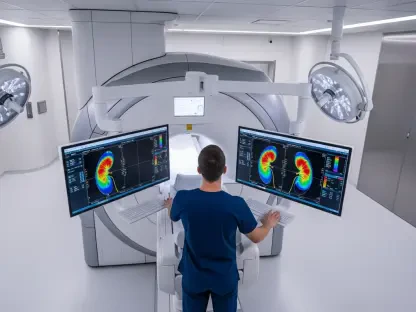

The persistent threat of secondary cerebrovascular events continues to challenge medical professionals globally, but a landmark study involving over twenty-one thousand patients has demonstrated that artificial intelligence can significantly alter this trajectory. By implementing an advanced AI-driven Clinical Decision Support System across seventy-seven different hospitals, researchers observed a dramatic shift in how acute ischaemic stroke cases are managed in high-pressure clinical environments. This sophisticated software does not merely act as a passive repository of information; instead, it actively integrates high-resolution imaging analysis with a comprehensive review of patient demographics, medical histories, and specific lifestyle factors. By synthesizing these diverse data points, the system provides clinicians with evidence-based treatment recommendations that are tailored to the individual needs of the patient, thereby streamlining the complex transition from initial hospital care to long-term secondary prevention strategies. This large-scale deployment proved that automated tools could effectively bridge the gap between theoretical guidelines and actual bedside practice.
Measurable Gains: Long-Term Preventative Care
The primary metrics of the research revealed a compelling correlation between the use of digital intervention and a reduction in new vascular events, including recurrent strokes and myocardial infarctions. Specifically, at the three-month follow-up mark, the group of patients treated with the assistance of the clinical decision tool experienced a twenty-six percent reduction in these adverse events compared to those receiving standard medical care. This trend did not fluctuate or diminish over time; rather, it strengthened, reaching a twenty-seven percent risk reduction by the end of the twelve-month observation period. Beyond these hard clinical endpoints, the implementation of the technology led to a measurable elevation in the overall quality of care provided by the participating medical facilities. The intervention group achieved a care quality score of ninety-one point four percent, while the control group, operating under traditional protocols, maintained a lower score of eighty-nine point eight percent, underscoring the consistent utility of automated decision support. These findings suggested that even minor improvements in protocol adherence could lead to substantial long-term health benefits for stroke survivors.
Practical Integration: Future Implementation Strategies
While the technological intervention markedly improved preventative outcomes, the safety profiles remained consistent across both study groups, with no significant differences found in terms of all-cause mortality, long-term disability, or the occurrence of moderate to severe bleeding. This stability indicated that the clinical support system enhanced efficacy without introducing new procedural risks for the patients. Although the researchers acknowledged certain limitations, such as hospital-level randomization and variations in outpatient follow-up care, the results suggested that such systems offered a scalable and cost-effective framework for global health systems. Healthcare administrators were encouraged to prioritize the seamless integration of these tools into existing hospital information systems to maximize diagnostic accuracy and adherence to treatment protocols. Moving forward, the adoption of these scalable models provided a vital solution for resource-constrained regions that faced a high burden of cerebrovascular disease, ensuring that standardized, high-quality care became accessible to a much broader population. The success of this digital approach demonstrated that the transition toward data-driven medicine was both a safe and highly effective path for modern neurology.